Key Questions About SAP WM Successor Strategies
With SAP S/4HANA, many companies need to reassess their future warehouse strategy. The challenge is not only identifying a successor to SAP WM, but also defining the right target architecture for different warehouse types.

SAP WM Is Not Simply Being Replaced
The real challenge is not replacing SAP WM with a new product. Companies should take this opportunity to reassess their warehouse landscape and define the most suitable target architecture for the future.
Not Every Warehouse Requires SAP EWM
While complex or highly automated warehouses may continue to require SAP EWM, alternative target architectures can be a better fit for standardized warehouse operations.
SAP LGM Can Be a Viable Alternative
SAP Logistics Management addresses standardized, cloud-based logistics processes and may provide a modern target architecture for selected warehouse environments.
Why Companies Need to Act Now
As part of the transition to SAP S/4HANA, many organizations need to rethink their warehouse management strategy and evaluate the future role of their existing SAP WM landscape.
Historically, SAP Warehouse Management (SAP WM) environments have supported logistics operations reliably for many years. However, these systems were not designed for today's cloud-first strategies, integrated end-to-end processes, digital supply chains, or modern warehouse automation requirements.
The challenge is therefore not simply identifying a replacement for SAP WM. The more important question is what the future warehouse architecture should look like and which business and logistics requirements each warehouse location must support going forward.
While SAP S/4HANA remains the central ERP backbone for logistics and business processes, organizations now have several options when defining their future warehouse management strategy. The right solution depends less on the product name and more on process complexity, automation requirements, integration needs, and long-term business objectives.
Whether SAP Logistics Management (SAP LGM), SAP Extended Warehouse Management (SAP EWM), Stock Room Management, or a hybrid approach is the right choice largely depends on the individual requirements of each warehouse environment.
For a deeper introduction to SAP Logistics Management, see our article: "What is SAP Logistics Management (SAP LGM)“.
Why a One-to-One SAP WM Replacement Is Often the Wrong Approach
Many companies begin their SAP S/4HANA transformation by looking for a direct replacement for SAP WM. While understandable, this approach often overlooks the strategic opportunity that comes with modernizing the warehouse landscape.
Simply replacing SAP WM with another warehouse management solution can result in existing processes being migrated technically without challenging whether the target architecture is still the right fit for future business requirements.
SAP S/4HANA transformation projects offer organizations the opportunity to reassess different warehouse types, operational requirements, and logistics processes across the entire network. Instead of focusing on finding a direct successor, companies should define the most suitable target architecture for each warehouse location.
This is why SAP WM successor planning should be considered a business and logistics strategy initiative, not merely a technical migration project.
The Wrong Question Is: "What Replaces SAP WM?"
Many organizations initially approach their SAP S/4HANA transformation as a technical system upgrade and search for a direct successor to SAP WM. In practice, however, this approach is often too narrow.
The real challenge is to redefine the future warehouse strategy. Not every warehouse location requires the same target architecture. While highly automated distribution centers may continue to rely on SAP EWM, standardized warehouses may benefit from SAP Logistics Management (SAP LGM) or Stock Room Management.
Key decision factors include process complexity, automation requirements, integration needs, and the long-term logistics strategy of the organization.

What Are the Options After SAP WM?
Organizations currently operating SAP Warehouse Management (SAP WM) have several options when defining their future warehouse management strategy.
Regardless of the target architecture selected, SAP S/4HANA remains the central ERP foundation for warehouse, logistics, and business processes. The key question is therefore not which ERP system to use, but which warehouse management solution should support the operational requirements of each warehouse location in the future.
When evaluating SAP WM successor options, organizations typically consider Stock Room Management, SAP Logistics Management (SAP LGM), SAP Extended Warehouse Management (SAP EWM), or a combination of these solutions.
The right choice depends less on the name of the product and more on factors such as process complexity, automation requirements, integration needs, and long-term business objectives.
Ultimately, the most suitable target architecture is determined by the operational requirements of each warehouse environment rather than by a one-size-fits-all SAP WM replacement approach.
For a detailed comparison of SAP LGM and SAP EWM, see our article: „SAP LGM vs. SAP EWM – Welche Lagerverwaltung passt zu Ihrem Unternehmen?“.
When Can SAP LGM Be a Suitable SAP WM Successor Strategy?
SAP Logistics Management (SAP LGM) can be an attractive option for organizations operating standardized warehouse processes that do not require extensive automation, highly customized workflows, or advanced warehouse control capabilities.
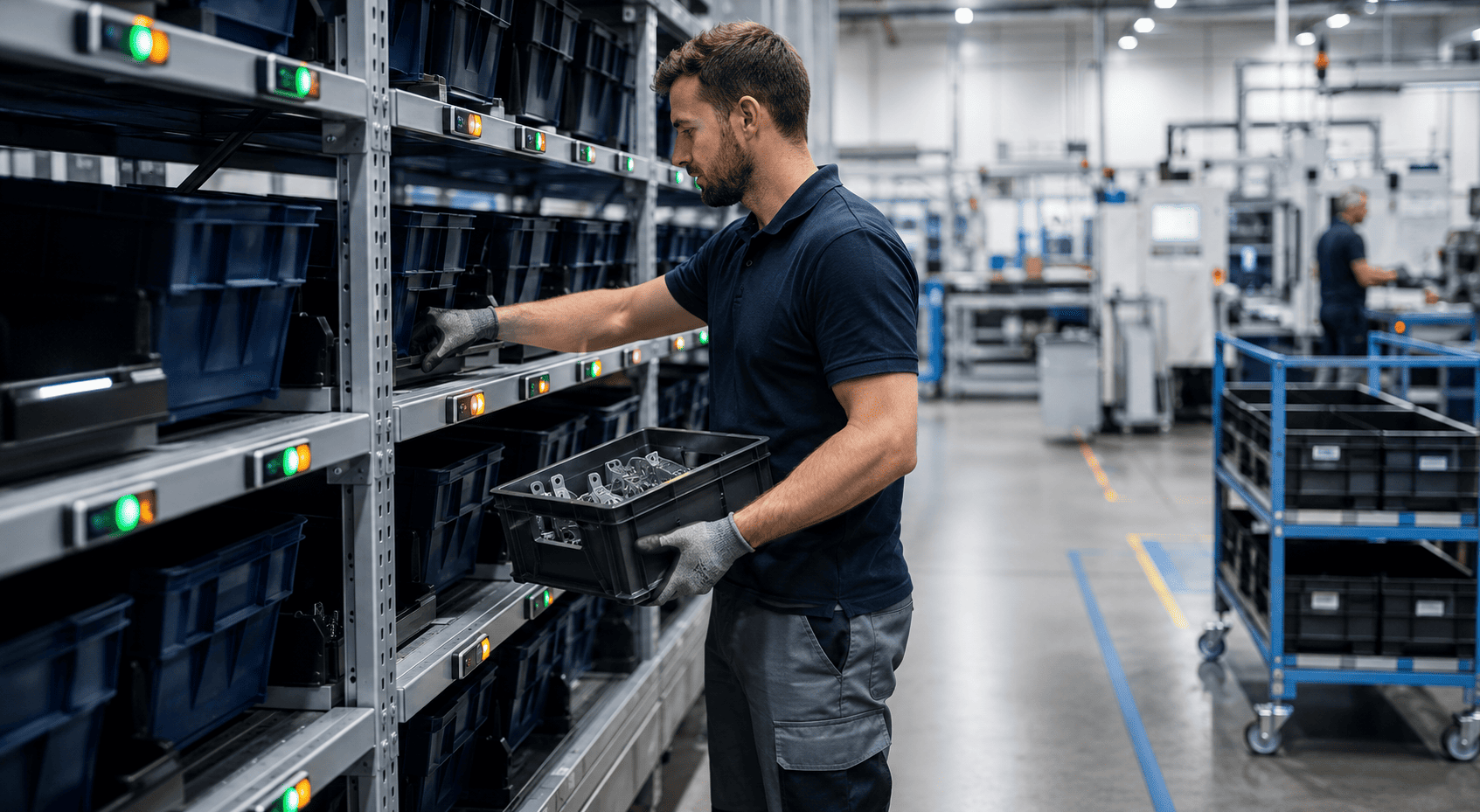
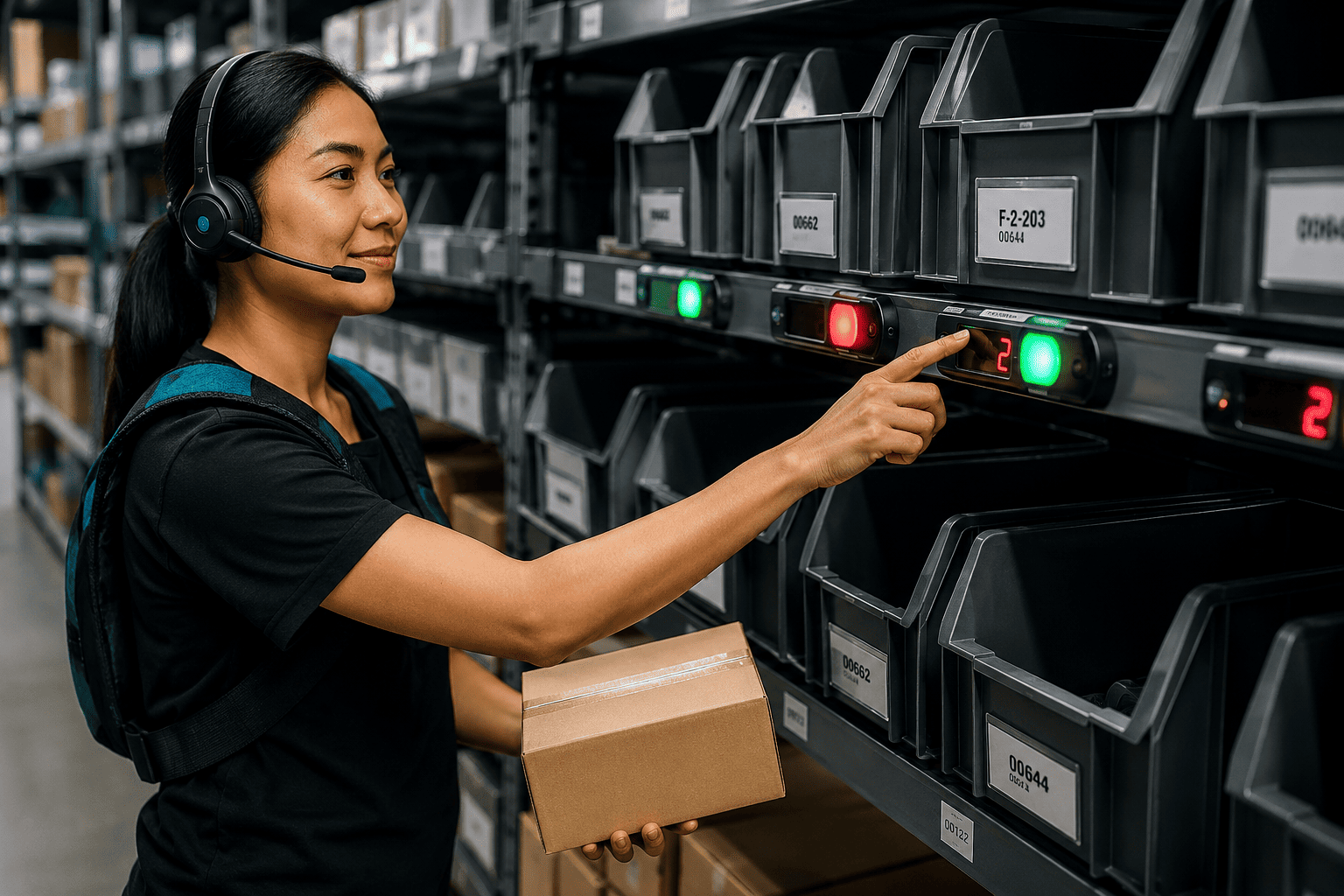
The solution is particularly relevant for warehouse locations with clearly defined operational procedures, moderate process complexity, and a cloud-first strategy. Typical examples include regional distribution centers, satellite warehouses, plant warehouses, spare parts logistics operations, and standardized multi-site warehouse networks.
Unlike traditional warehouse management solutions, SAP LGM is part of SAP's broader logistics vision. The platform connects warehouse operations with transportation processes, partner collaboration, and digital supply chain networks through solutions such as SAP Business Network for Logistics (SAP BNL).
As a result, SAP LGM may be especially relevant for organizations seeking to harmonize logistics processes across multiple locations while building a modern cloud-based logistics architecture.
Whether SAP LGM is the right choice ultimately depends on the specific requirements of each warehouse environment. Organizations evaluating SAP WM successor strategies should therefore assess process complexity, automation needs, integration requirements, and long-term logistics objectives before selecting their target architecture.
For Many Organizations, the Future Will Be Hybrid
In practice, selecting a future warehouse management strategy is rarely an either-or decision.
Many organizations operate multiple warehouse types within the same logistics network. While highly automated distribution centers or production logistics facilities may continue to rely on SAP EWM, regional warehouses or standardized locations may be better suited for SAP LGM.
As a result, hybrid warehouse architectures are becoming increasingly common.
Instead of searching for a single SAP WM replacement across the entire organization, companies can deploy different solutions depending on the operational requirements of each location. This approach enables organizations to optimize warehouse processes without forcing all sites into the same technology model.
The goal should therefore not be to identify one universal successor to SAP WM. The objective should be to define the most suitable target architecture for each warehouse type and build a scalable, future-ready logistics strategy across the entire warehouse network.
Additional insights can be found in our article: "Which Companies Are a Good Fit for SAP LGM?“.
SAP WM Successor Planning Is a Strategic Decision
The question of what should replace SAP WM cannot be answered with a single product recommendation. The right target architecture depends on the specific requirements of each warehouse location, including process complexity, automation levels, integration needs, and long-term logistics objectives.
The SAP S/4HANA transformation provides organizations with a unique opportunity to reassess existing warehouse structures, operational processes, and future logistics strategies rather than simply replacing legacy systems.
For many companies, the future will not consist of a single warehouse management solution. Instead, a differentiated warehouse landscape is emerging in which Stock Room Management, SAP Logistics Management (SAP LGM), and SAP Extended Warehouse Management (SAP EWM) each fulfill distinct roles depending on the requirements of individual warehouse environments.
Successful SAP WM successor strategies therefore begin with a structured assessment of the warehouse landscape, not with the selection of a specific product.
Frequently Asked Questions About SAP WM Successor Strategies
With SAP S/4HANA, many organizations need to redefine their future warehouse strategy. The following questions and answers help clarify common considerations related to SAP WM successor options.
No. SAP Logistics Management was not developed as a direct successor to SAP WM. The solution focuses on standardized, cloud-based warehouse and logistics processes and can provide a modern target architecture for specific warehouse types. Whether SAP LGM is the right choice depends on the individual processes and requirements of each location.
Stock Room Management enables organizations to continue operating SAP WM-like processes within SAP S/4HANA. It is particularly suitable for companies that do not require major functional enhancements and want to keep existing logistics processes largely unchanged.
No. Not every warehouse location requires the functionality provided by SAP EWM. The appropriate target architecture depends on process complexity, automation levels, integration requirements, and long-term business objectives. For standardized warehouse operations, alternative solutions may be more appropriate.
SAP LGM is particularly suitable for warehouse locations with standardized processes, clearly defined operational requirements, and a cloud-first strategy. Typical examples include regional warehouses, satellite warehouses, spare parts logistics, and standardized distribution environments. Process requirements are generally a more important factor than company size.
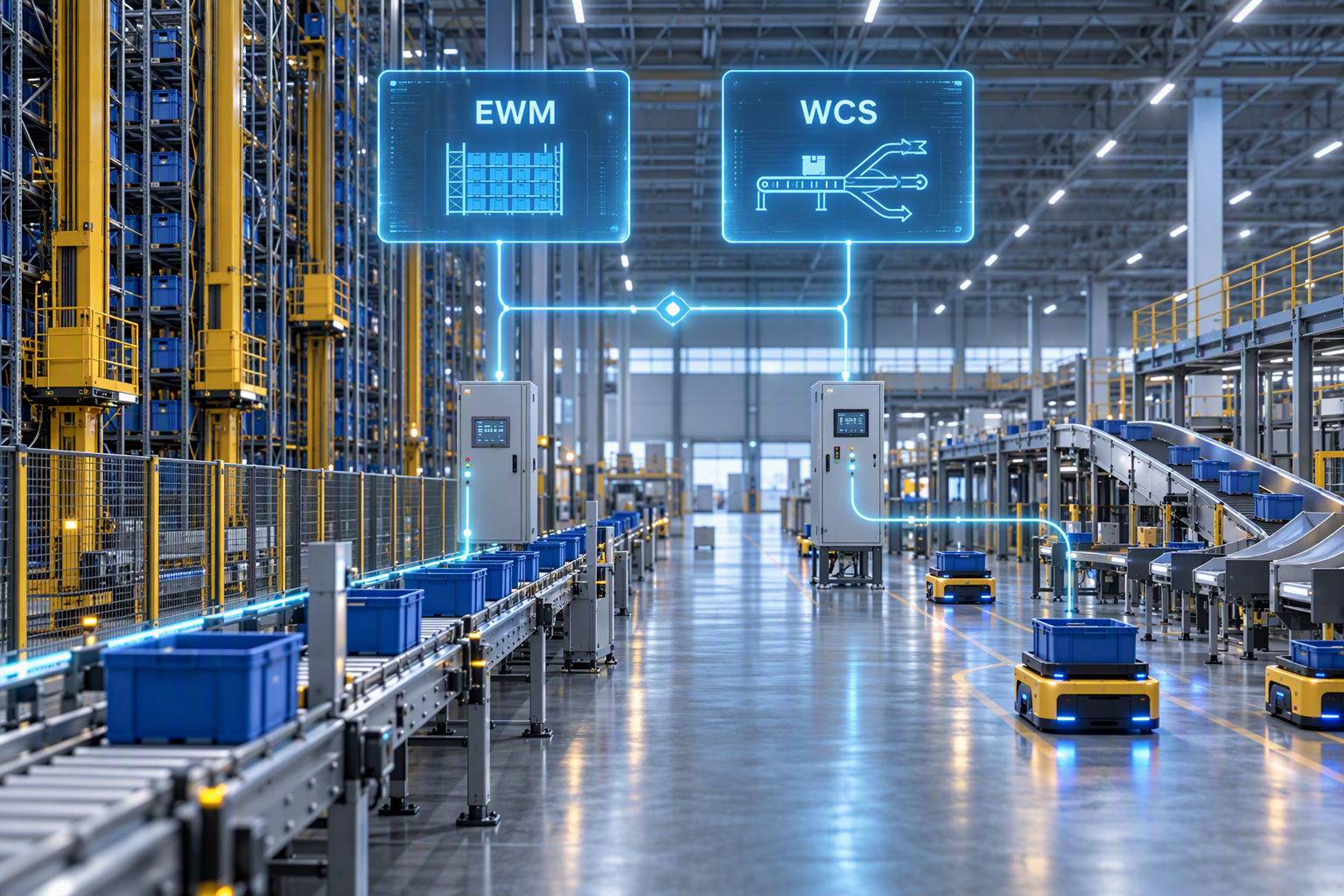
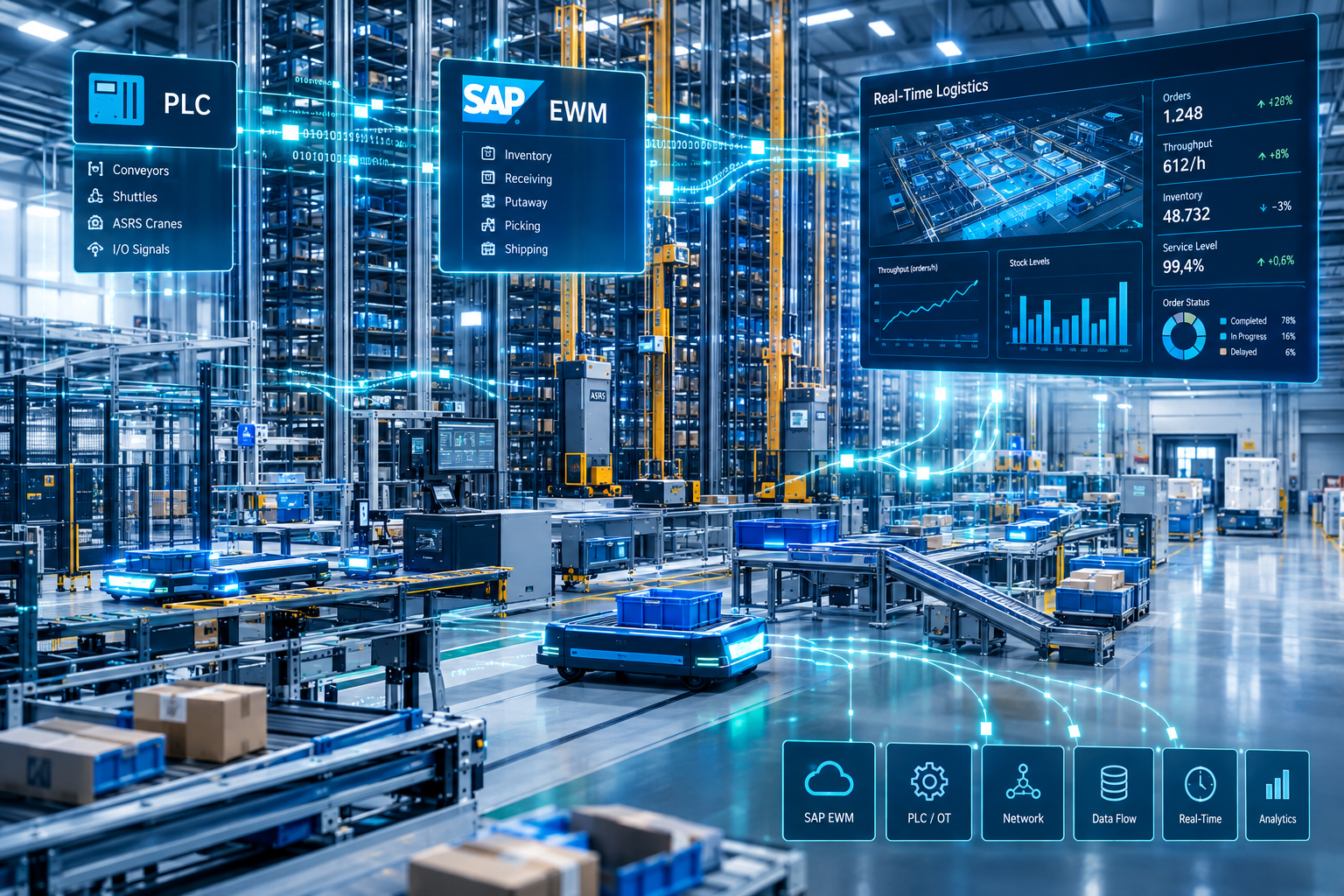
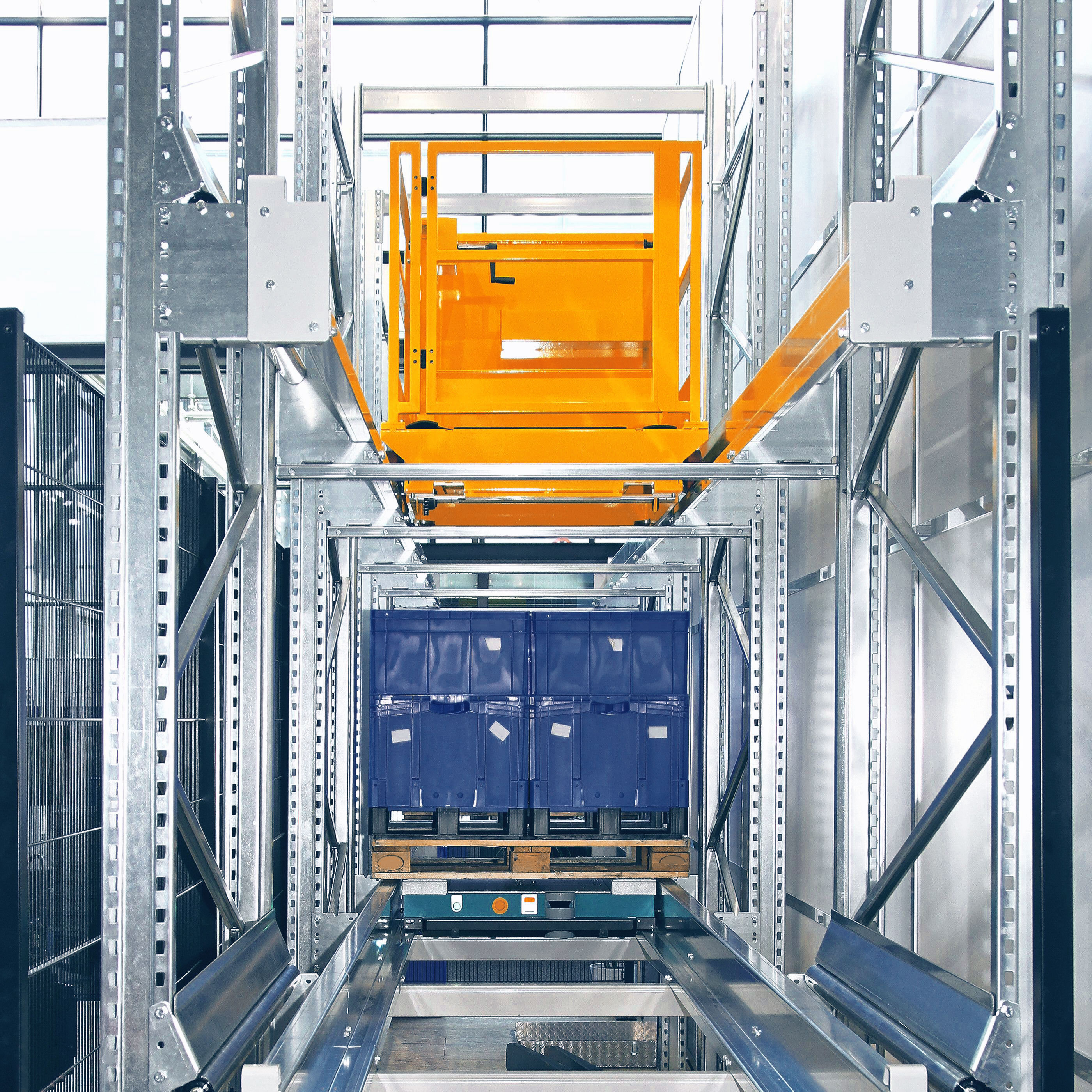
SAP EWM is the preferred choice for highly automated, complex, or heavily customized warehouse operations. Typical scenarios include automated high-bay warehouses, conveyor systems, SAP EWM MFS integrations, complex production logistics environments, and sophisticated warehouse strategies.
There is no universal answer. Whether SAP LGM represents a suitable target architecture depends on process requirements, integration needs, automation levels, and the long-term objectives of the warehouse network. A structured assessment of the existing warehouse landscape should be performed before making a decision.
Yes. Many organizations implement hybrid target architectures that use different SAP warehouse solutions for different warehouse types. For example, automated distribution centers may continue to run on SAP EWM, while regional or standardized warehouses may be operated with SAP LGM.
No. Replacing SAP WM is not only a technical migration exercise. The SAP S/4HANA transformation provides an opportunity to reassess logistics processes, warehouse structures, and target architectures. Logistics stakeholders and business departments should therefore be actively involved in strategic decision-making from the outset.
The most effective approach is a structured assessment of the warehouse landscape. Factors such as warehouse type, process complexity, automation levels, integration requirements, and strategic business objectives should be evaluated. Based on this analysis, companies can determine whether Stock Room Management, SAP LGM, SAP EWM, or a combination of multiple solutions represents the best target architecture.