

Is SAP LGM the Right Solution for Your Logistics Landscape?
SAP Logistics Management (SAP LGM) was developed to support standardized warehouse and logistics processes in a cloud-native environment. However, the solution is not equally suitable for every warehouse scenario. Key decision factors include process complexity, the level of automation, warehouse network structure and the organization's long-term transformation strategy. SAP LGM delivers the greatest value where companies seek to harmonize processes, standardize warehouse operations and move their logistics architecture closer to the cloud.
Why Organizations Should Carefully Evaluate SAP LGM
As SAP Logistics Management continues to gain traction, many organizations are evaluating whether the solution is the right fit for their warehouse operations and long-term logistics strategy. The answer is not straightforward, as SAP LGM was intentionally designed for a clearly defined range of use cases.
SAP follows a fit-to-standard approach with SAP LGM. The objective is to support standardized warehouse and logistics processes in a cloud-native environment while reducing implementation complexity. The solution can be particularly attractive for organizations that operate multiple comparable warehouse locations or want to further harmonize their logistics architecture.
The key question is therefore not:
“How large is my organization?”
but rather:
“How complex are the processes within my warehouse environment?”
As a result, both mid-sized companies and large global enterprises can successfully benefit from SAP LGM — provided that the individual warehouse locations meet the appropriate requirements.
Which Organizations Benefit Most from SAP LGM?
SAP Logistics Management is particularly suitable for organizations that want to harmonize warehouse processes, integrate multiple locations more efficiently and align their logistics architecture toward a cloud-based future.
Company size is not the primary decision factor. What matters most is the complexity of warehouse operations and the level of automation at each individual location.
The following deployment scenarios illustrate where SAP LGM can deliver the greatest value.
Regional Warehouses
SAP LGM is well suited for small and medium-sized warehouse locations with standardized processes, moderate complexity and clearly defined operations.
Satellite Warehouses
Decentralized warehouse locations can be integrated more efficiently into modern SAP S/4HANA landscapes when processes are harmonized and managed through a cloud-based architecture.
Plant Warehouses
Warehouse operations close to production with stable and standardized processes can benefit from a leaner target architecture and a fit-to-standard approach.
Spare Parts Logistics
Service and spare parts networks benefit from greater transparency, standardized operations and tighter integration into modern SAP logistics processes.
Multi-Site Organizations
Organizations operating multiple comparable warehouse locations can use SAP LGM to harmonize processes and accelerate rollout initiatives.
Cloud-First Organizations
SAP LGM is particularly attractive for organizations looking to advance their logistics architecture toward cloud adoption, standardization and SAP BTP.
The scenarios above demonstrate that SAP LGM is less a question of company size and more a question of warehouse structure and operational requirements. Even large organizations can successfully deploy SAP LGM where locations operate standardized processes, moderate complexity and a clear cloud-oriented strategy.
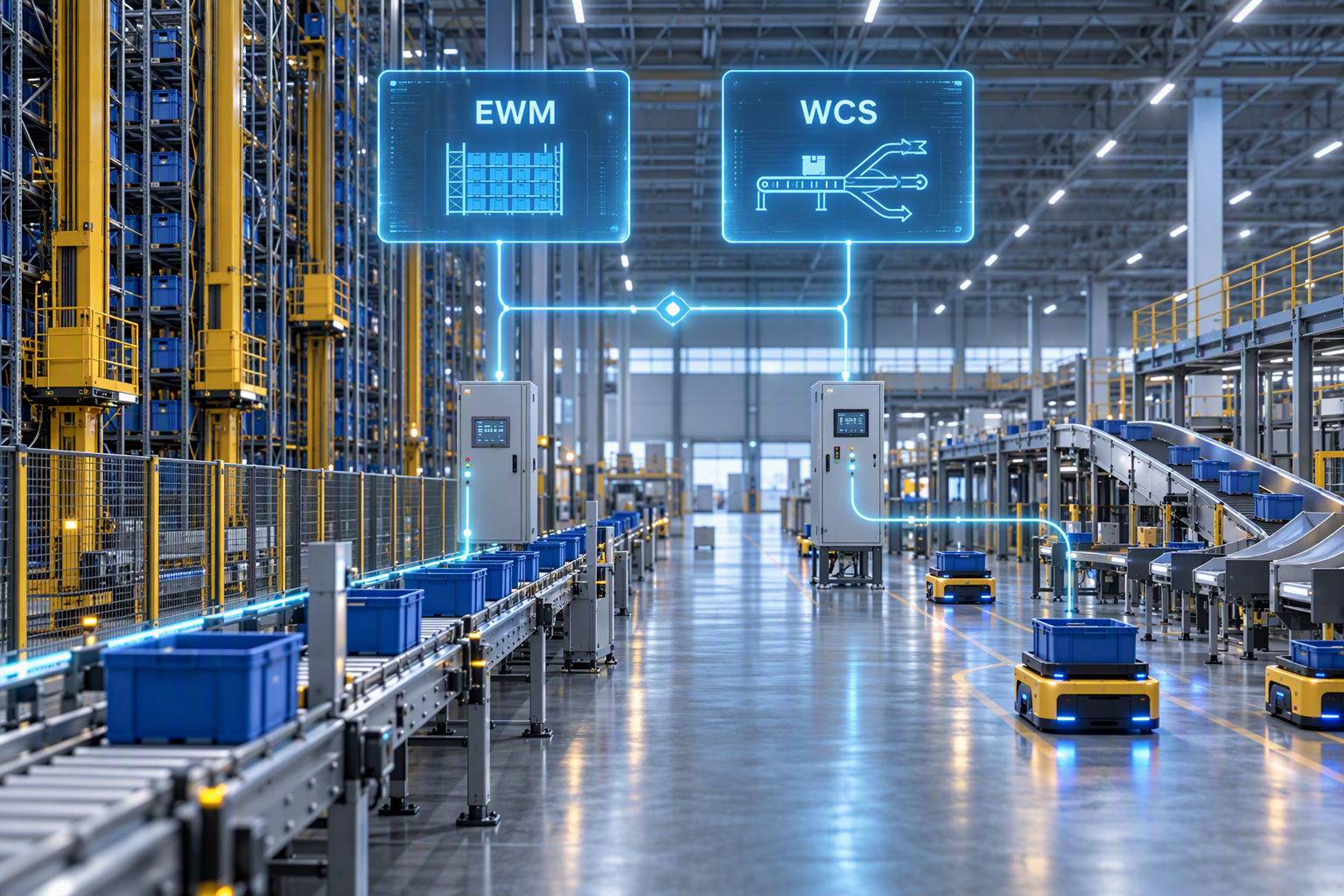
For highly automated warehouses, advanced material flow control or heavily customized intralogistics processes, SAP Extended Warehouse Management often remains the more suitable solution.
SAP LGM and Cloud-First-Strategies
Many organizations use their SAP S/4HANA transformation as an opportunity to reassess and modernize their warehouse landscape. This is especially relevant for organizations operating multiple regional warehouse locations, where the need for standardized processes, faster rollouts and tighter integration into modern cloud architectures continues to grow.
SAP LGM follows SAP’s cloud-first strategy and helps organizations support logistics processes through a cloud-native and standardized platform approach. The solution is particularly appealing for organizations that want to align their future logistics architecture more closely with SAP S/4HANA, SAP BTP and broader cloud transformation initiatives.
For a more technical overview of the platform, see our article: “SAP Logistics Management (SAP LGM): The new cloud platform for integrated logistics processes”.
SAP LGM Is Not Defined by Company Size — But by Warehouse Requirements
Many organizations assume that SAP Logistics Management (SAP LGM) was designed primarily for small and medium-sized businesses. In practice, however, company size is not the decisive factor. What matters is the role, complexity and operational requirements of each warehouse location.
A global enterprise may successfully deploy SAP LGM for regional warehouses or satellite locations, while a medium-sized company may still require SAP EWM for a highly automated distribution center. The key decision criteria are process complexity, the level of automation, the degree of standardization and the strategic role of each warehouse within the overall logistics network.

Which Organizations Benefit Most from SAP LGM?
Not every logistics organization faces the same warehouse and logistics challenges. SAP Logistics Management is particularly well suited for organizations looking to standardize processes, integrate multiple locations more efficiently and align their future logistics architecture with cloud-based strategies.
In addition to company size, factors such as warehouse structure, decentralization requirements and spare parts logistics scenarios play an important role. What matters is less the size of the organization and more whether the warehouse processes can be supported through a standardized and cloud-native target architecture.
Another important consideration is often overlooked: SAP LGM is more than a warehouse management solution. The platform was designed to bring multiple logistics processes together within a shared cloud ecosystem. Beyond warehouse operations, SAP LGM can support partner collaboration through SAP Business Network for Logistics (SAP BN4L), transportation processes and standardized execution scenarios.
The solution is particularly attractive for organizations that do not view logistics as an isolated warehouse function but want to create stronger connections between warehouse operations, transportation and partner collaboration. Through its integration with SAP Business Technology Platform (SAP BTP), SAP LGM can be embedded seamlessly into modern SAP S/4HANA landscapes and continuously enhanced over time.
Why SAP EWM Often Remains the Better Choice
SAP Logistics Management was intentionally designed with a clearly defined scope. Organizations should therefore evaluate whether their warehouse requirements align with the intended use cases of the solution.
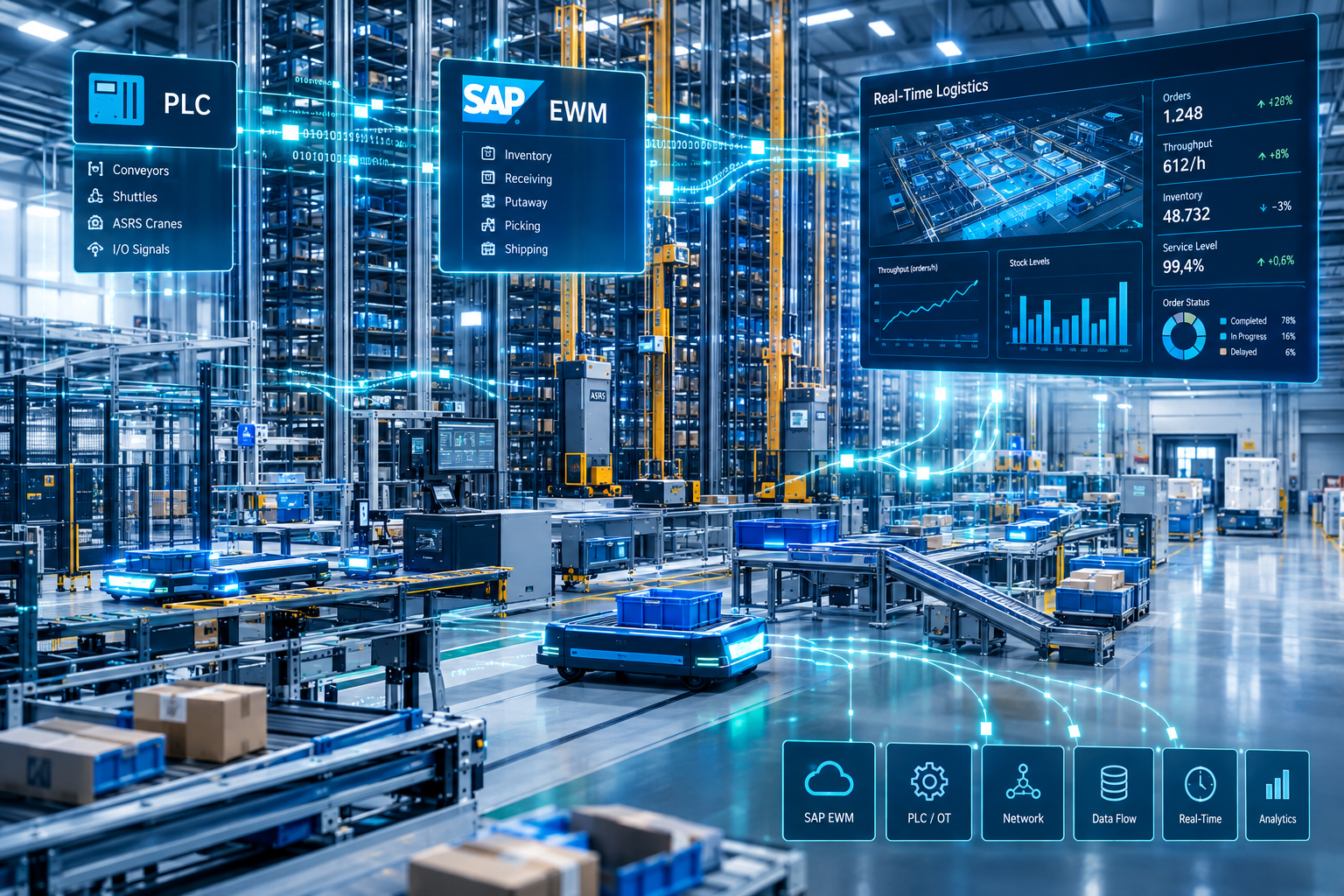
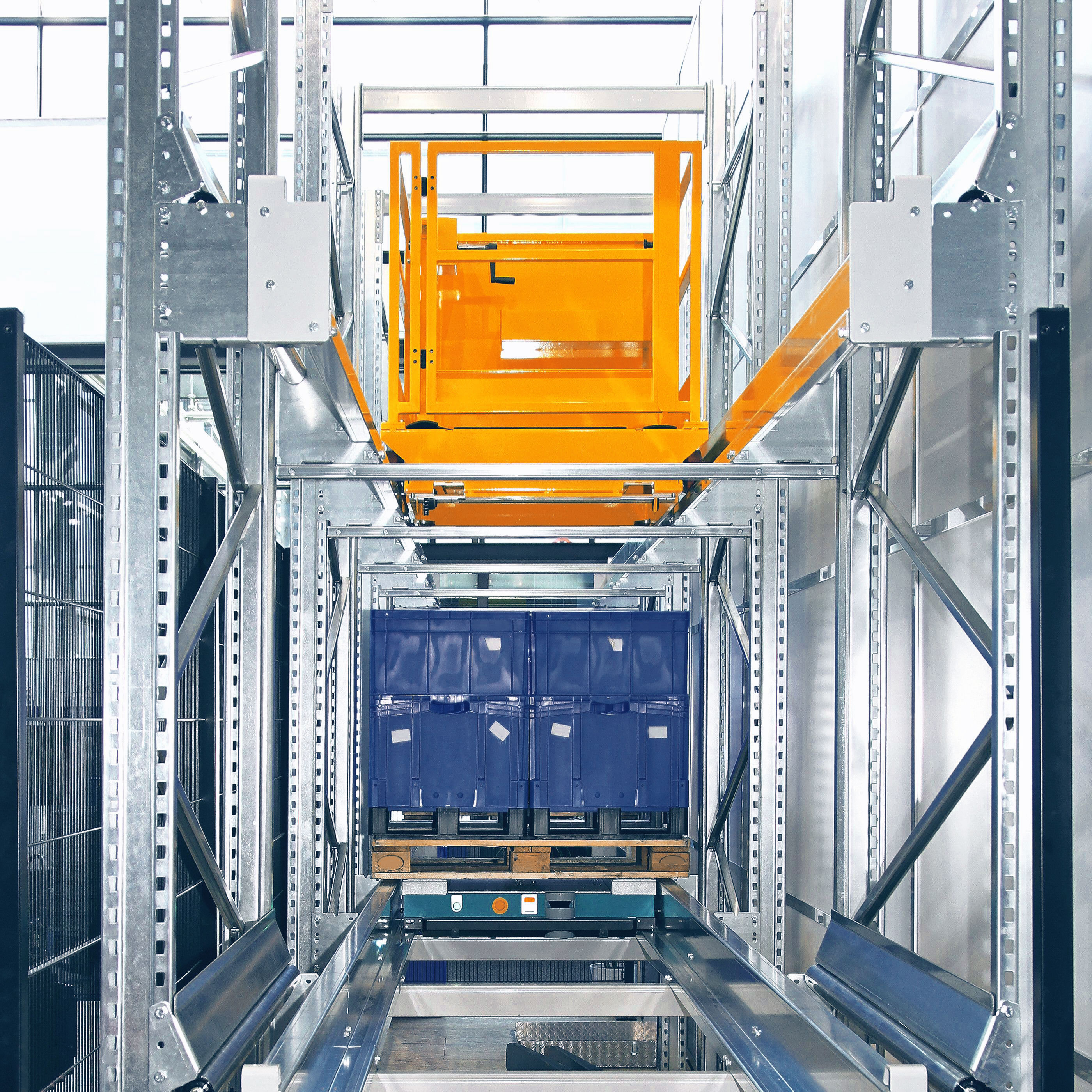
As warehouse operations become more complex or automation requirements increase, SAP EWM frequently remains the strategic SAP solution. Typical examples include automated small parts warehouses (ASRS), high-bay warehouses, conveyor systems, advanced material flow control and complex manufacturing logistics scenarios.
Another key factor is the complexity of warehouse processes and posting logic. While SAP LGM focuses on standardized processes with predefined workflows, SAP EWM provides significantly broader capabilities for specialized process design. Examples include complex inbound and outbound operations, multi-step warehouse movements, differentiated warehouse control strategies and location-specific process requirements.
For a detailed comparison of both solutions, see: “SAP LGM vs. SAP EWM: Which Warehouse Management Solution Fits Your Business?”.
If you would like to explore the capabilities, deployment scenarios and architectural options of SAP EWM in greater detail, please refer to our SAP Extended Warehouse Management (SAP EWM) service page.
Typical Characteristics of Suitable SAP LGM Warehouse Locations
Regardless of industry or company size, successful SAP LGM scenarios often share similar characteristics. The key consideration is not whether an organization is large or small, but whether the warehouse processes align with SAP Logistics Management’s fit-to-standard approach.
Standardized Warehouse Processes
SAP LGM is particularly well suited for warehouse locations with clearly defined, repeatable and highly standardized processes.
Limited Process Complexity
SAP LGM follows a streamlined fit-to-standard approach. As posting logic, warehouse strategies and special requirements become more complex, SAP EWM offers greater flexibility.
Highly Repeatable Operations
The more consistently processes follow a common pattern, the easier SAP LGM can be deployed within a fit-to-standard framework.
Multiple Comparable Warehouse Locations
Organizations operating similar regional warehouses, satellite locations or plant warehouses can benefit from harmonized templates and faster rollout scenarios.
Cloud-First Strategy
SAP LGM is particularly attractive for organizations looking to evolve their logistics architecture toward cloud adoption, SAP BTP and modern SAP S/4HANA landscapes.
Harmonized Target Architecture
The solution helps organizations reduce local point solutions and integrate warehouse processes more consistently into their SAP landscape over the long term.
The more these characteristics apply, the more likely SAP Logistics Management can deliver significant value. However, warehouse locations should always be evaluated individually — particularly with regard to process complexity, posting logic, automation requirements and integration needs.
Organizations operating multiple warehouse types may also choose a hybrid target architecture in which standardized locations are supported by SAP LGM while complex or highly automated facilities continue to run on SAP EWM.
SAP LGM Can Be Part of a Hybrid Logistics Strategy
SAP LGM should not be considered in isolation. In many organizations, the most effective target architecture results from combining different SAP logistics solutions for different warehouse types.
A typical scenario consists of SAP EWM managing highly automated or complex warehouse environments, while SAP LGM supports regional warehouses, satellite locations or standardized logistics operations. This creates a differentiated logistics architecture that balances functional depth with standardization.
The right solution for each location ultimately depends on its specific business and operational requirements. For a more detailed comparison, see:
“SAP LGM vs. SAP EWM: Which Warehouse Management Solution Fits Your Business?”.
SAP Insights
Discover the latest analyses, articles, and insights on SAP, supply chain, and business transformation. Practical knowledge – directly from our consultants for your business.

SAP WM Successor: Is SAP Logistics Management (SAP LGM) the Right Choice?

Which Companies Are a Good Fit for SAP LGM?


Pick-by-Light for Production Supply and Kanban Logistics












Do you have a challenge
you want to tackle?
Talk to us - together we will design the right solution.