Modern warehouse processes with SAP standard solutions are clearly structured, transparently managed, and scalable.
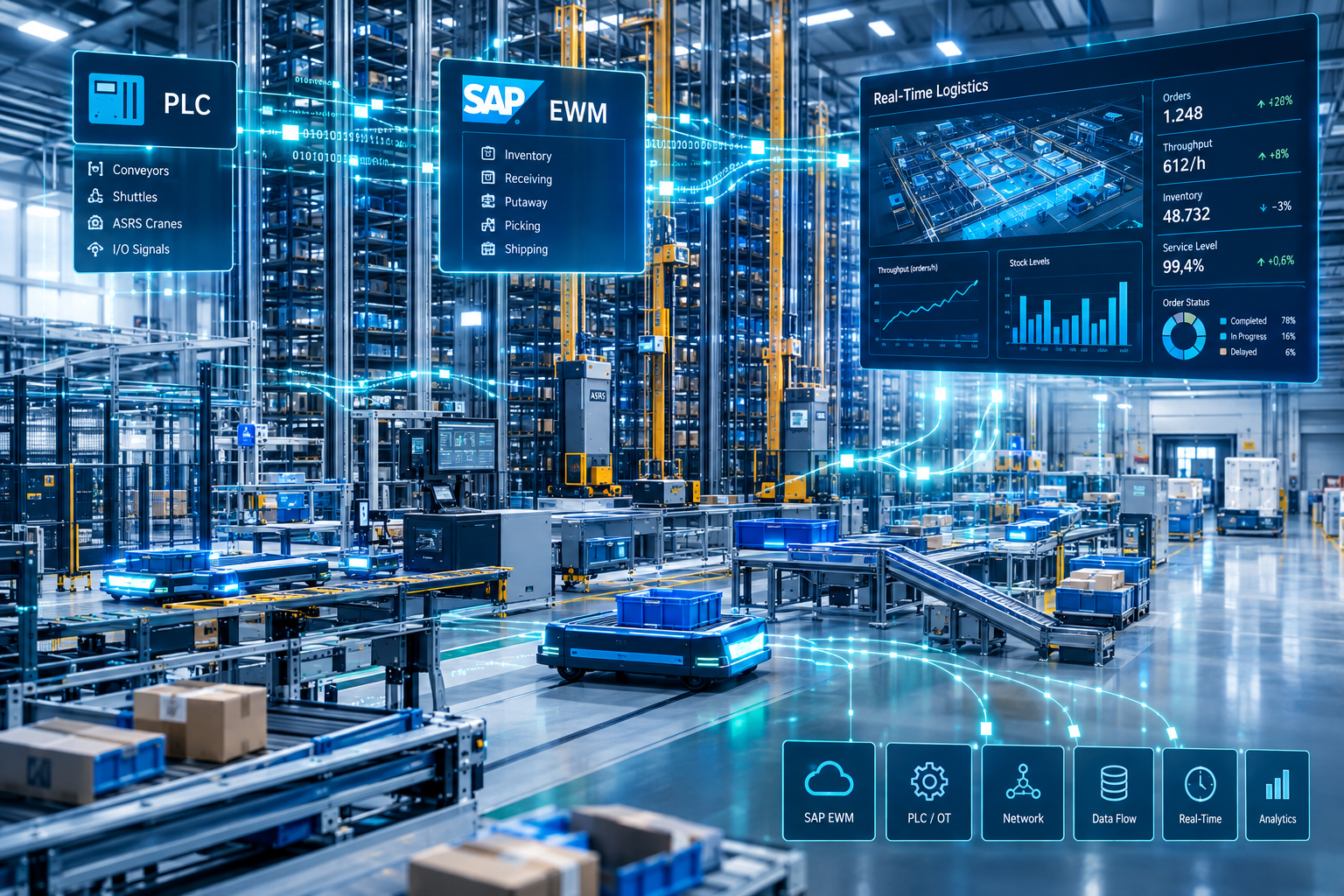
With SAP S/4HANA, SAP Extended Warehouse Management (SAP EWM), and SAP Logistics Management (SAP LGM), a powerful system landscape is available to support inventory management, throughput, automation, and compliance.
This landing page provides a structured overview – with deeper insights available on the respective solution and comparison pages.
Complex material flows, volatile demand patterns, and increasing quality requirements demand scalable system architectures.
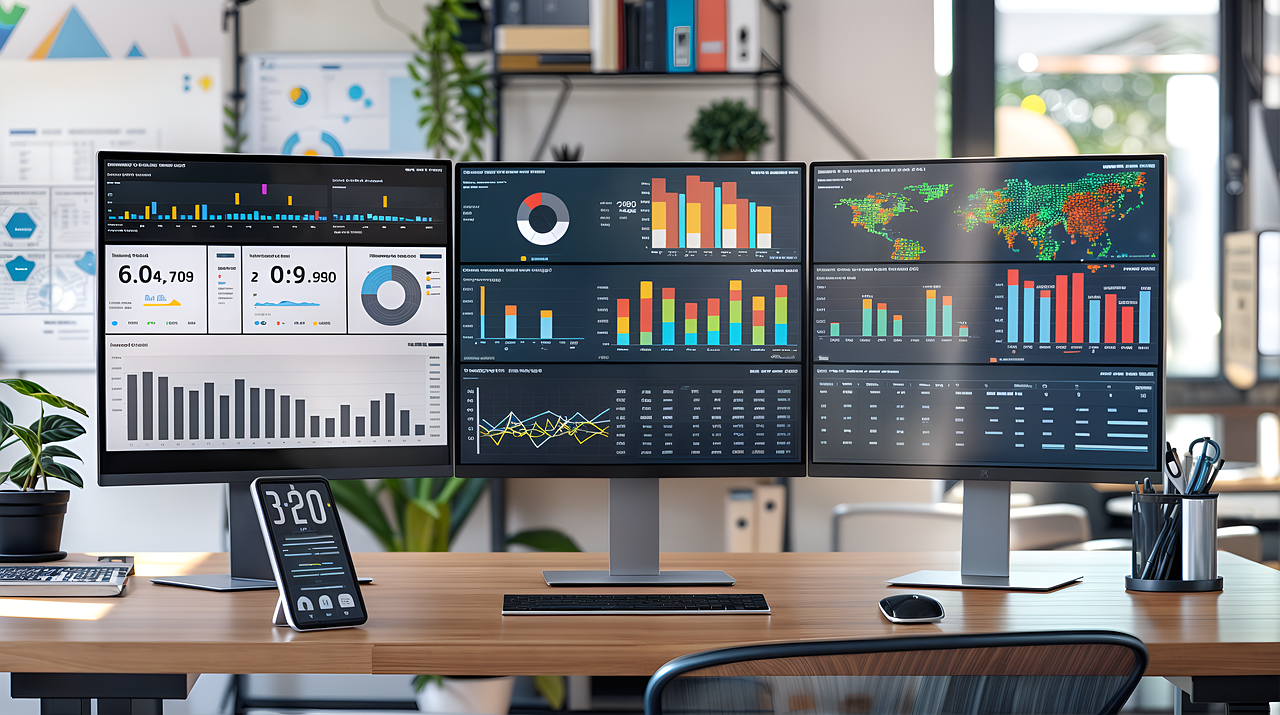
SAP enables consistent and audit-proof warehouse management, reduces integration effort, and supports scaling across locations. Real-time KPIs provide transparency, allowing bottlenecks to be identified early and operations to be stabilized.
Note: SAP Warehouse Management (SAP WM) and SAP Stock Room Management (SAP SRM) are classified as legacy or transitional solutions and are only referenced here for context.
SAP S/4HANA provides ERP-centric core processes and serves as the platform for integrating warehouse and logistics solutions. Master data, financial integration, and higher-level process chains are centrally managed while warehouse management components are seamlessly integrated. End-to-end processes from procurement to production and distribution are fully supported.
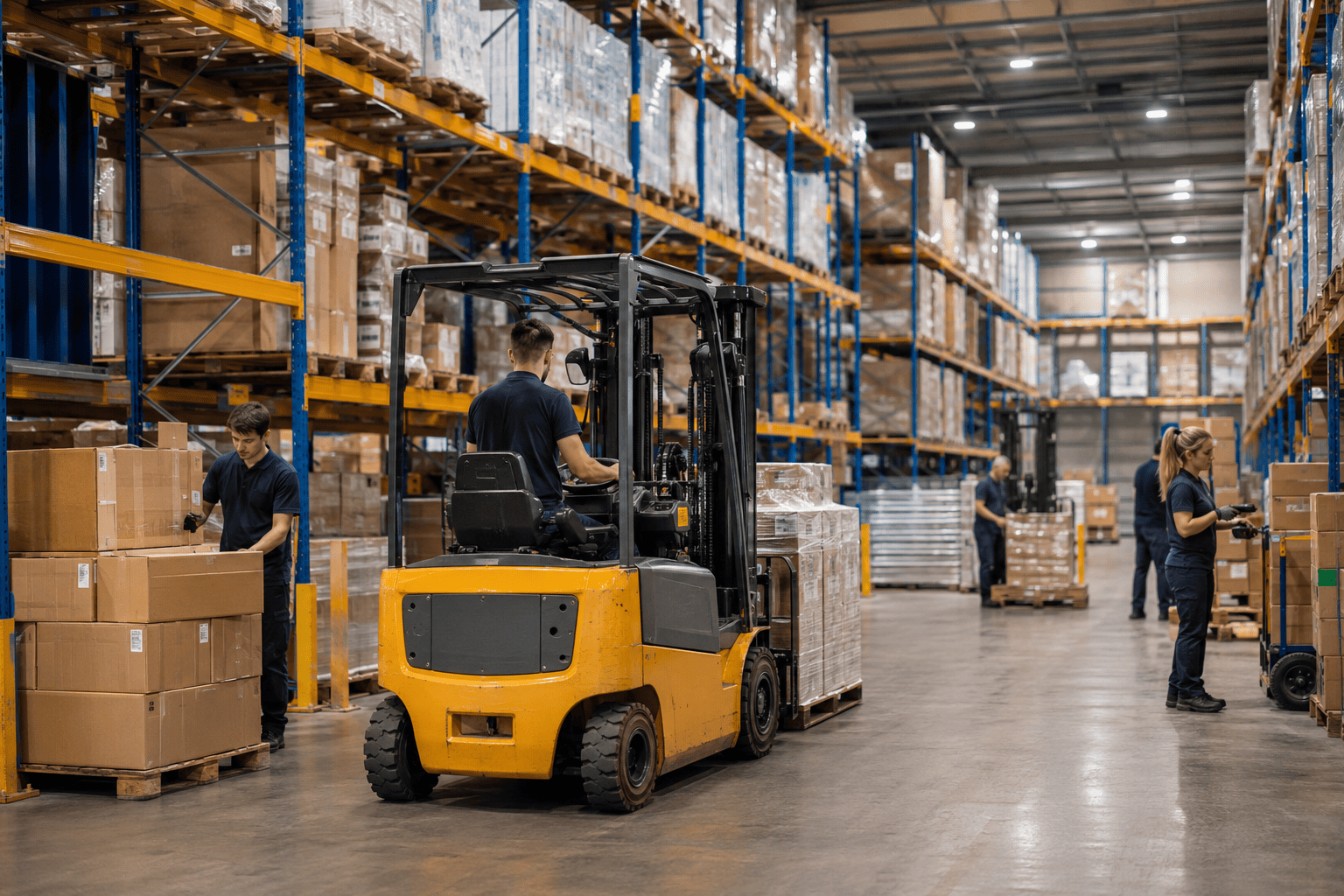
SAP EWM is the leading solution for complex warehouse operations with high functional depth and automation integration. Inbound and outbound processes, picking, labor management, and inventory are transparently controlled, while material flow control and automation technologies are directly connected. Standardized processes ensure high transparency and reduce operating costs through efficient execution.
SAP LGM addresses cloud-based, integrated logistics scenarios and provides scalable services for transport and warehouse processes. New requirements can be quickly activated and existing SAP landscapes extended, enabling a gradual transition to modern operating models.

A well-structured architecture is achieved through clear separation of responsibilities between solutions: SAP S/4HANA acts as the ERP core, SAP EWM manages detailed warehouse processes, and SAP LGM extends logistics capabilities with cloud-based services. Data, events, and workflows are exchanged via standardized interfaces, simplifying operations and enabling controlled system extensions.
Integration is implemented via defined APIs, CDS views, and services. The SAP Business Technology Platform (SAP BTP) enables extensions, integrations, and analytics. User interfaces are provided with SAP Fiori to ensure consistent visualization of roles, tasks, and KPIs. Security and compliance are ensured through centralized governance and authorization concepts.
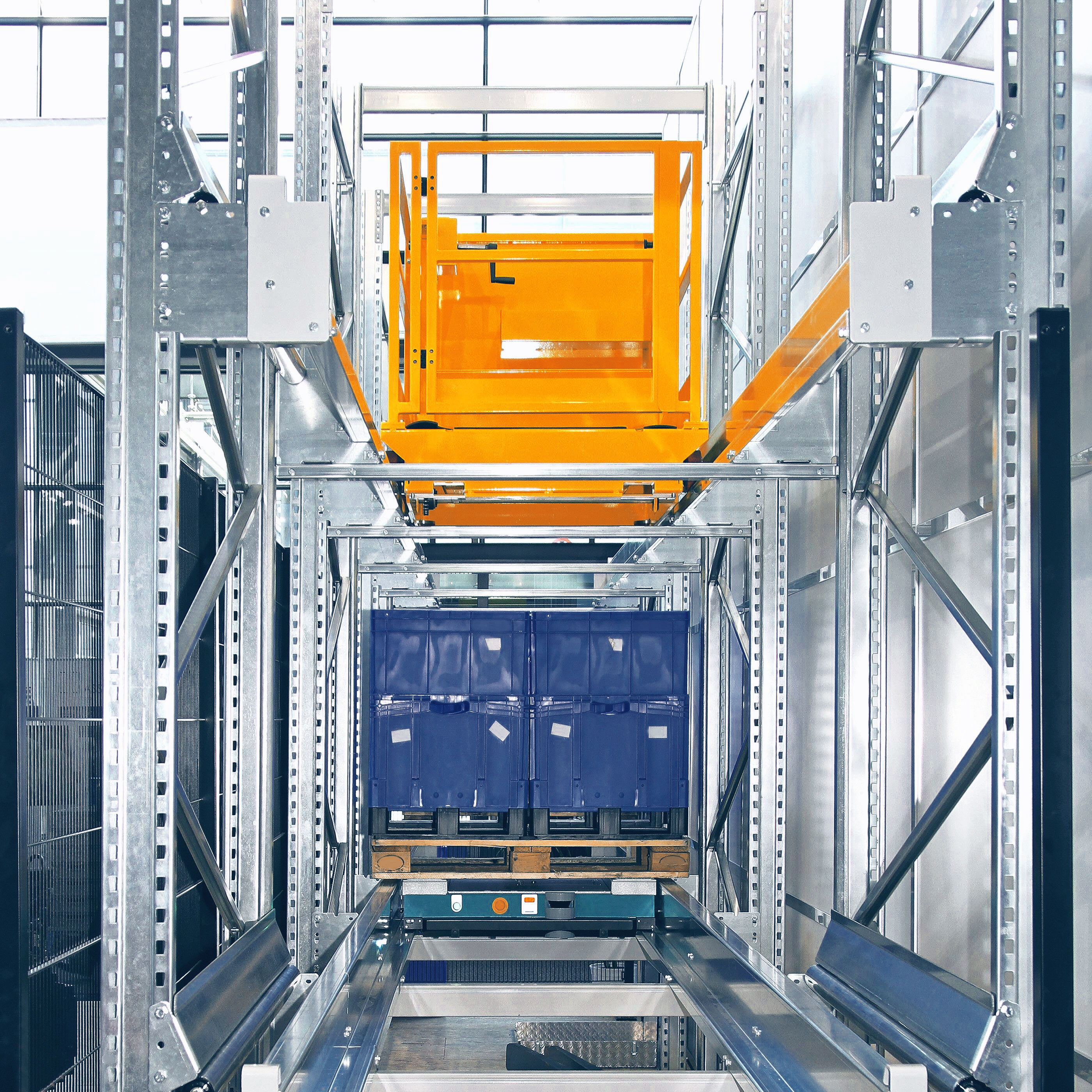
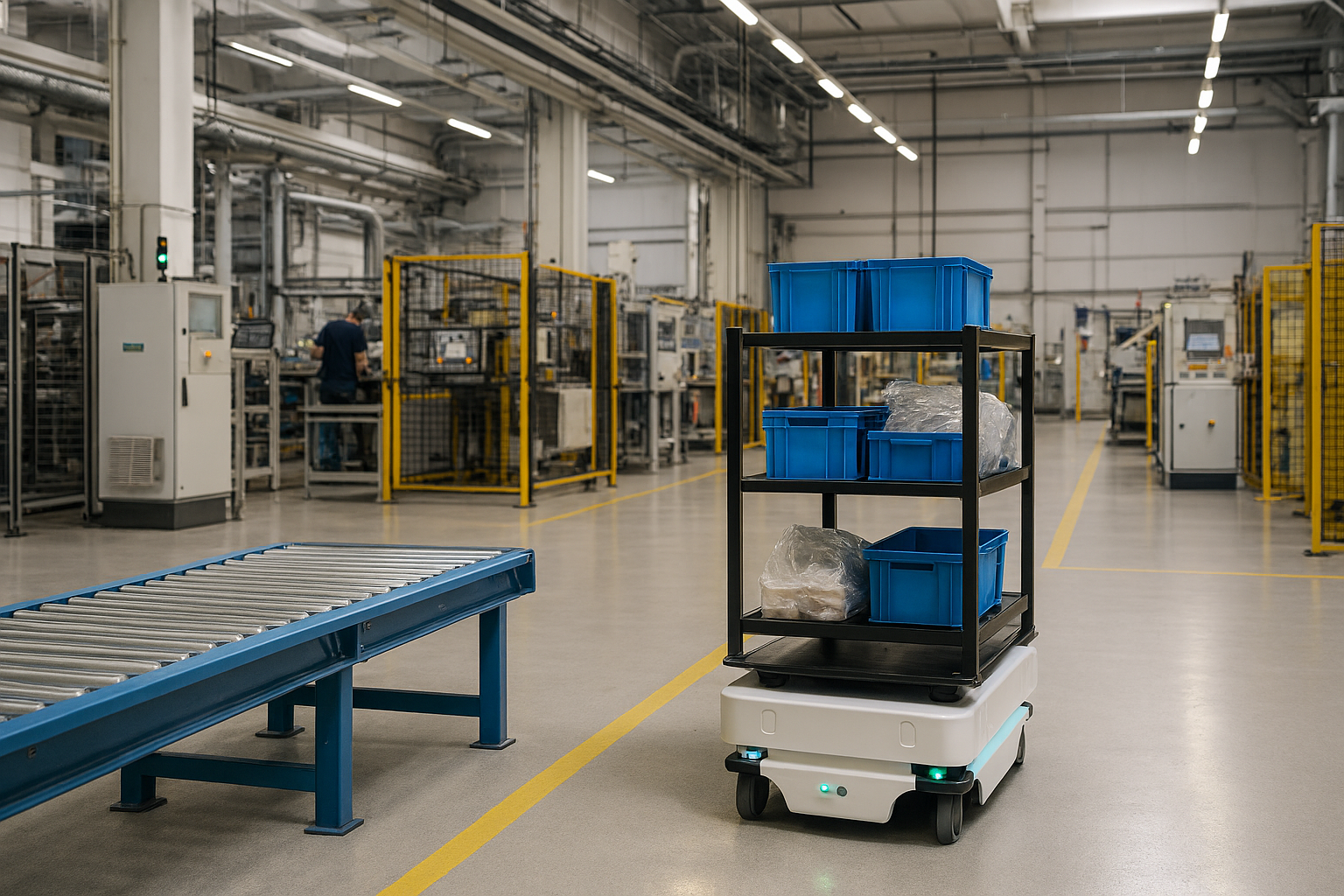
Automation technologies are directly integrated via SAP EWM MFS, enabling real-time control of conveyors, storage systems, and robotics. System events are processed immediately, improving decision-making and reducing downtime. Integration with production systems ensures seamless alignment between intralogistics and manufacturing processes.
Central master data, financial integration, and process orchestration, integrated with EWM and other logistics solutions.
Advanced strategies, high volumes, and direct integration of automation and robotics.
Service-based functions with rapid deployment and scalable operations.
Transitional solutions with limited functionality – a strategic migration is recommended.
A structured transition is typically implemented in phases:
Technical and operational risks are mitigated through testing, simulation, and controlled activation
SAP warehouse management solutions not only digitalize processes but also optimize them strategically. The following highlights show how efficiency, transparency, and scalability can be achieved.
Stock discrepancies and overstock are minimized through precise inventory management and real-time data.
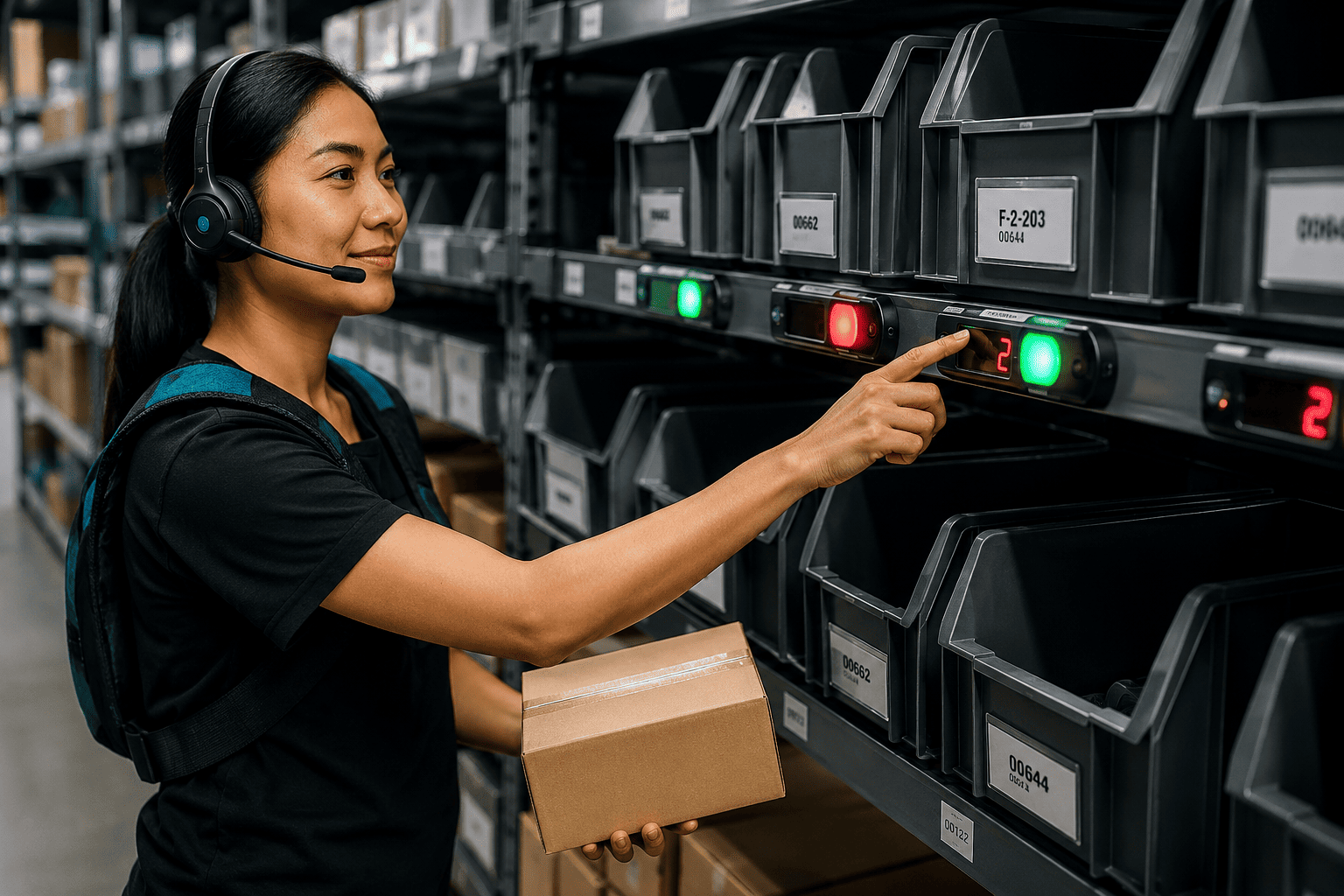
Optimized inbound, outbound, and picking strategies enable faster processing and higher service levels.
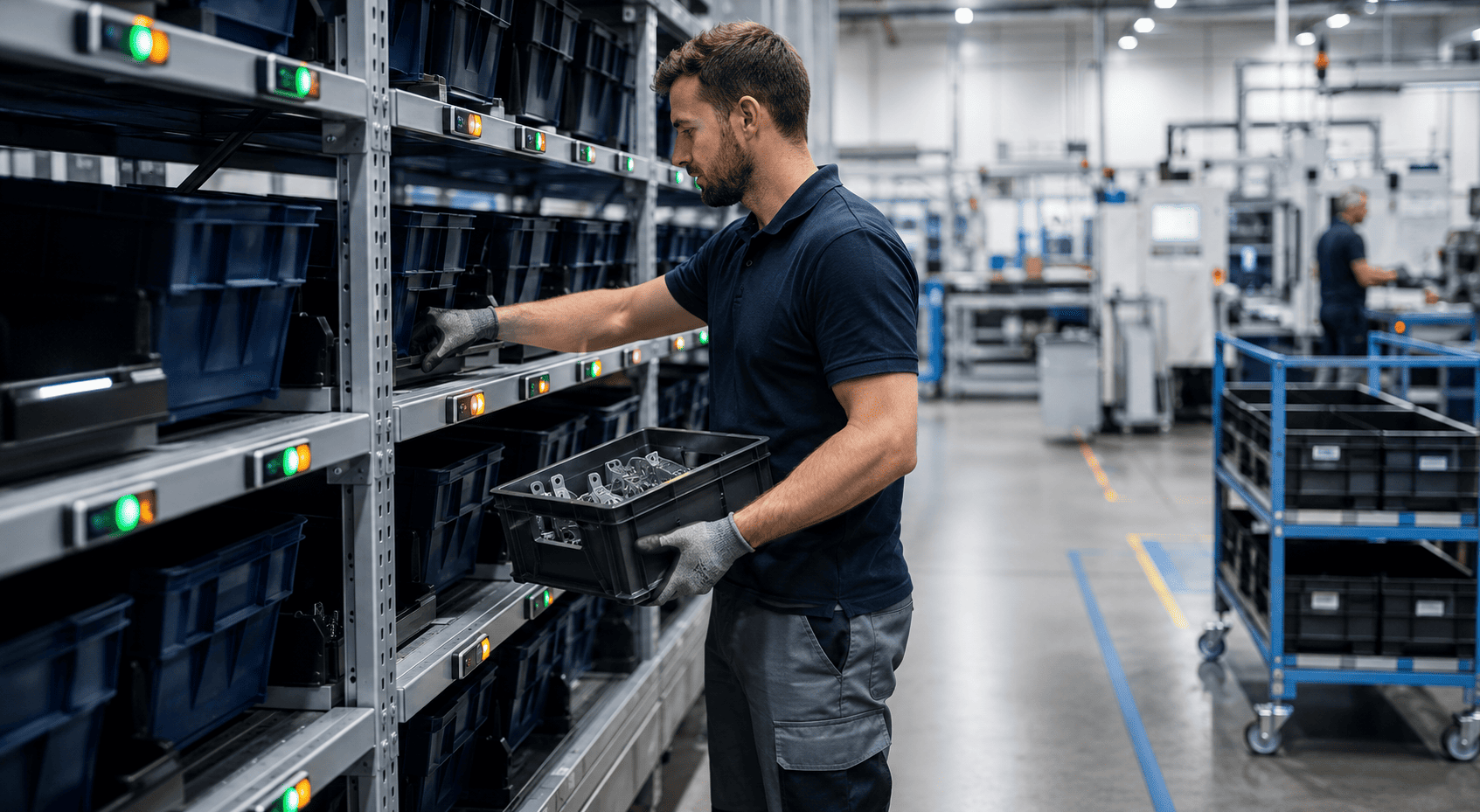
Material flow control (MFS) and robotics integration enable seamless automation of complex warehouse operations.
Real-time KPIs such as utilization, throughput, and service level enable better decision-making.
Standardized processes and flexible architectures allow expansion across additional warehouses and sites.
.jpg)
Do you have questions? Below you will find answers to the most important topics related to SAP-based warehouse management.
A WMS is used to manage inventory, material flows, and warehouse processes in a transparent, efficient, and error-free way.
SAP offers SAP EWM, SAP S/4HANA, and SAP LGM. Older solutions such as SAP WM and SAP Stock Room Management are considered transitional systems.
SAP Extended Warehouse Management (SAP EWM) is used for complex warehouse processes and automation scenarios. Material flow systems and robotics can be directly integrated.
SAP S/4HANA serves as the ERP core and platform for integrating warehouse and logistics solutions such as SAP EWM and SAP LGM.
SAP Logistics Management (SAP LGM) is a cloud-based solution for integrated logistics processes. It focuses on scalability, flexibility, and rapid activation of new capabilities.
Embedded SAP EWM is integrated directly into SAP S/4HANA, while decentralized SAP EWM operates as a standalone system for complex scenarios.
Error rates are reduced, throughput times are shortened, and KPI transparency is increased. Automation enables more efficient and scalable operations.
Automation is enabled through SAP EWM MFS and integrations with PLC, conveyor systems, and robotics. Real-time control of material flows is supported.
Typical KPIs include inventory accuracy, throughput, service level, and resource utilization. These metrics support monitoring and continuous optimization.
A structured migration approach is recommended, including assessment, target architecture design, pilot implementation, and phased rollout. Data quality and testing are critical success factors.
Die digitale Transformation Ihrer Lagerprozesse wird nicht dem Zufall überlassen. Mit SAP-Lösungen wie EWM, S/4HANA und LGM wird eine skalierbare, zukunftssichere Basis geschaffen.
Ein unverbindliches Kennenlerngespräch oder eine direkte Kontaktaufnahme ermöglicht den Einstieg in Ihre digitale Lagerstrategie. Gemeinsam wird ermittelt, welche SAP-Lösung – EWM, S/4HANA oder LGM – den größten Mehrwert für Ihre Anforderungen bietet.
Discover the latest insights, articles, and perspectives on SAP, supply chain, and business transformation. Practical expertise – directly from our consultants.