
How SAP EWM Optimizes Picking in the Warehouse
Picking is one of the most important processes in warehouse logistics. SAP EWM controls it end‑to‑end in a transparent and efficient way – from task creation and resource management to real‑time confirmation. Through strategies such as multi‑order picking, seamless process integration, and modern picking technologies like Voice, Vision, or Robotics, the picking process is measurably accelerated and significantly less error‑prone.

Typical Challenges
A lack of real-time transparency, manual postings, interface issues, and unclear processes often result in incorrectly picked goods, unnecessary walking distances, and noticeable performance losses in warehouse operations.
SAP EWM as a Solution Platform
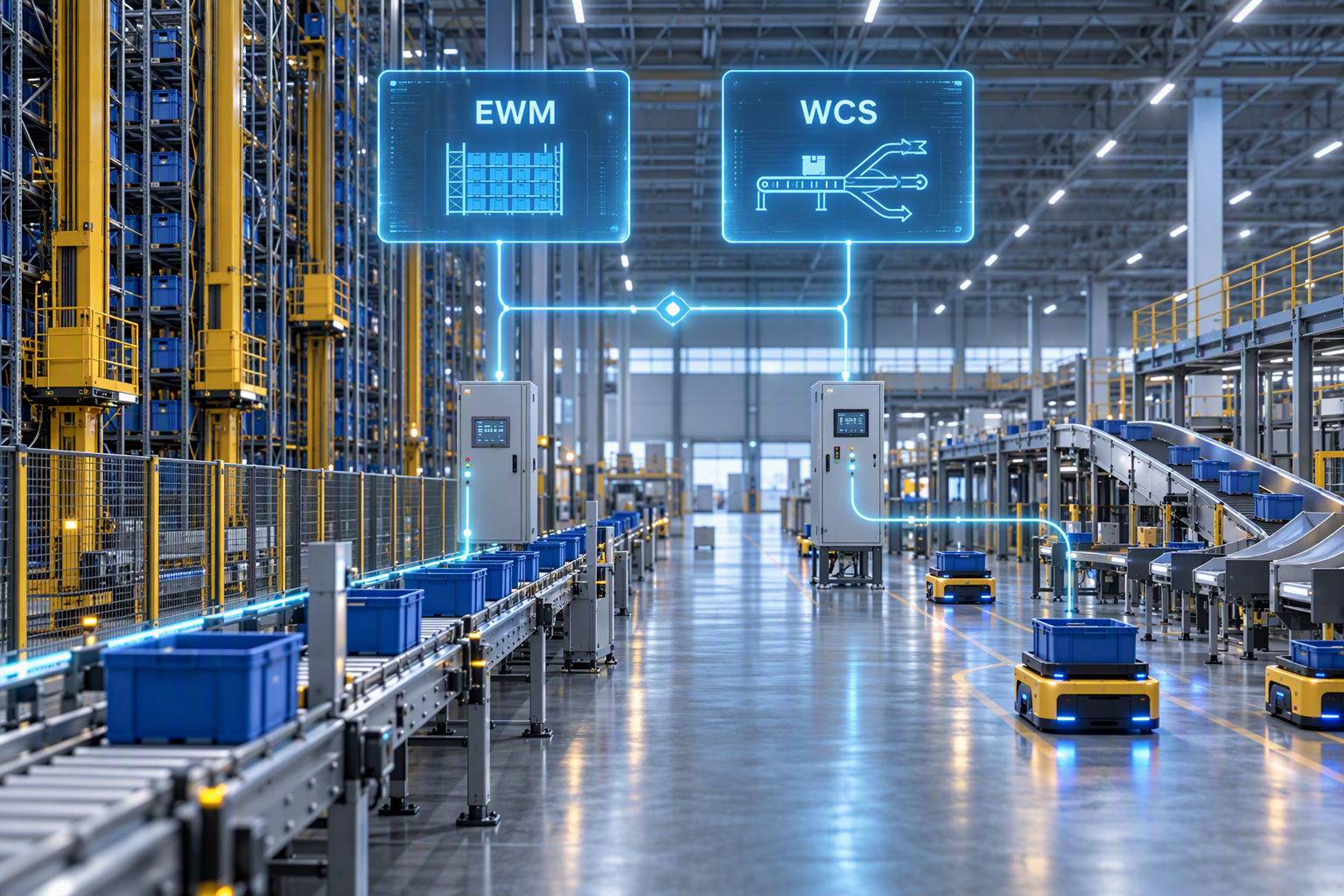
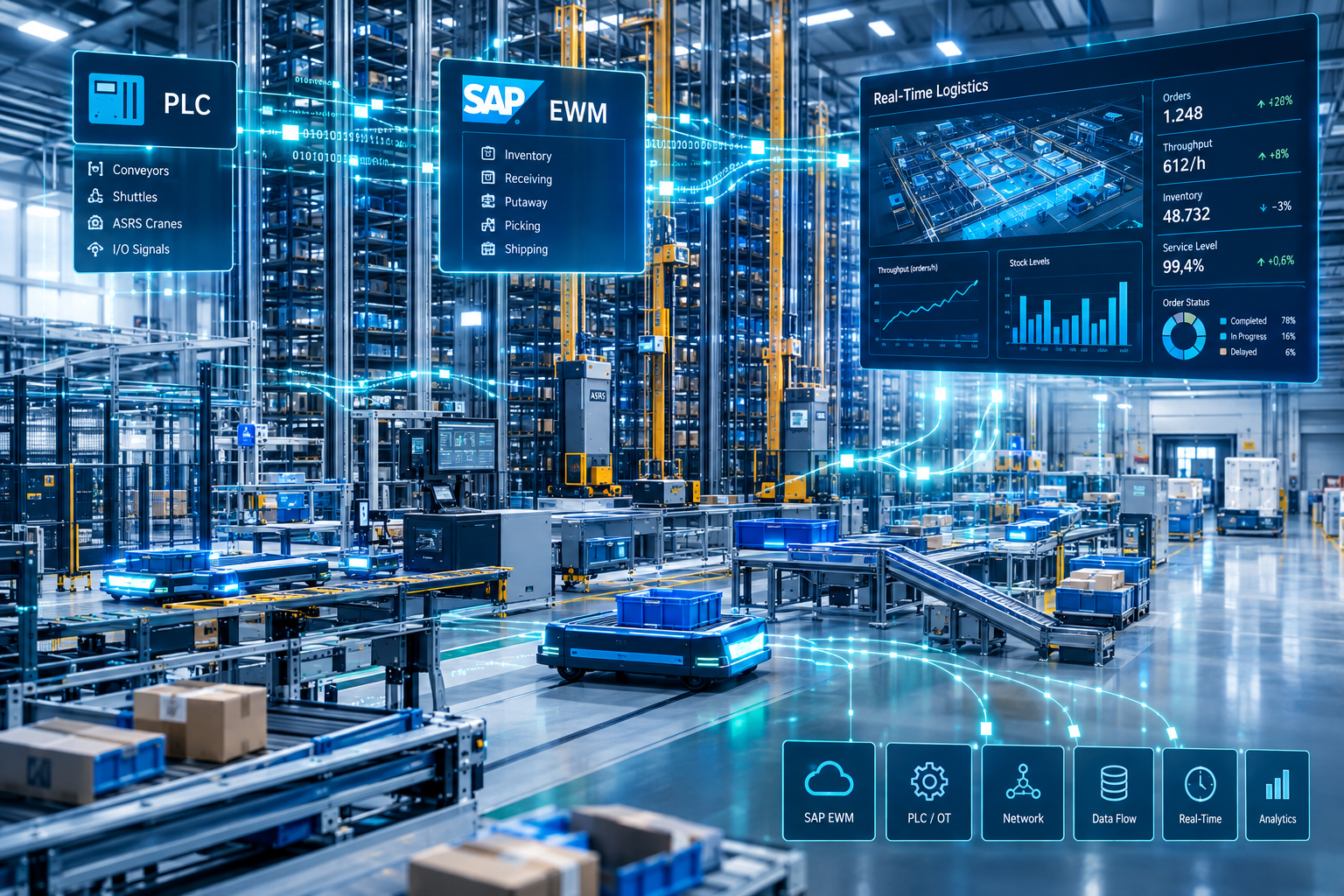
With real‑time inventory visibility, intelligent control logic, and flexible strategies, SAP EWM manages picking tasks efficiently and with minimal errors – fully integrated into the overall warehouse process.
Smart Technologies
Pick‑by‑Light, Voice, Vision, Motion, and Robotics – all modern picking technologies can be seamlessly integrated and orchestrated with SAP EWM.
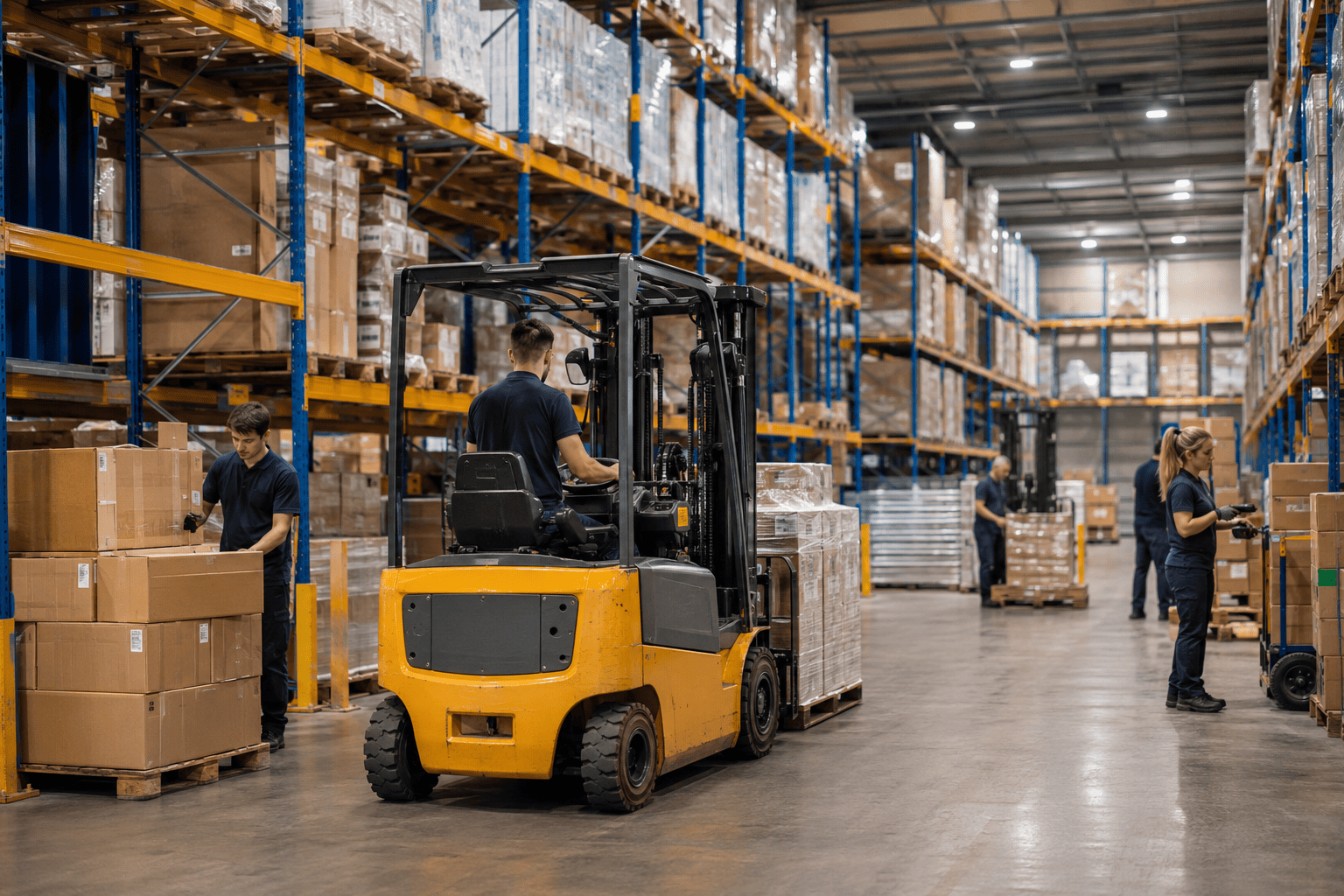
Picking is one of the most critical levers of operational warehouse logistics. Wrong picks, long travel paths, unclear priorities, or manual postings have a direct impact on delivery times, costs, and customer satisfaction. Especially in times of fluctuating order volumes, growing product ranges, and rising customer expectations, companies need stable, end-to-end, and automated processes.
SAP Extended Warehouse Management (EWM) provides a powerful framework to control picking efficiently, accurately, and transparently – from order receipt to goods issue.
Why Picking with SAP EWM Is Crucial
Many companies reach their limits today because:
- inventory is not available in real time
- walking routes are organized inefficiently
- ERP and warehouse processes are not cleanly integrated
- pickers work without mobile support
- orders are sorted manually by priority
- errors and discrepancies are hard to trace
SAP EWM addresses exactly these issues: through automated order bundling, optimized routing, real-time inventory management, and intelligent resource control. As a result, lead times decrease measurably and the quality of picking processes improves significantly.
Typical Challenges in Daily Operations
In many warehouses, picking fails because of:
- missing mobile devices
- poorly maintained master data
- complex, barely documented processes
- missing integration of automation and picking technology
- manual postings without process safeguards
- lack of transparency in case of deviations or short picks
These effects slow down operational performance and increase error rates.
SAP EWM eliminates many of these pain points through clear system guidance and complete real-time integration of all movements.
SAP EWM as a Solution: Well-Designed Strategies for Every Warehouse Structure
SAP EWM offers various picking strategies – each suited to different order and warehouse profiles.
Single-Order Picking (Order-Based Picking)
The picker processes one customer order completely – ideal for urgent, small-part, or order-specific picking.
Benefits:
- direct assignment of the goods
- no subsequent consolidation
- simple control
Drawback: less efficient with many small orders.
Multi-Order Picking (Order Bundling)
EWM combines several warehouse requests into one shared picking process – intelligently controlled by materials, areas, removal strategies, or capacities.
EWM uses:
- wave management
- warehouse order creation rules
- activity areas
- resource management
Benefits:
- significantly reduced travel paths
- fewer warehouse orders
- high scalability
- ideal performance during peak loads
Wave-Based Picking
Orders are grouped by shipping windows, routes, or priorities.
Effects:
- predictable resource utilization
- efficient route and time control
- structured, prioritized start of picking
SAP EWM Takes Picking to the Next Level
- System-driven processes significantly reduce errors
- Intelligent strategies and routing reduce walking distances
- Modern picking technologies accelerate execution
- Automation and real-time data ensure process stability

Picking Technologies – Modern Solutions for Different Warehouse Scenarios
SAP EWM supports a wide range of picking technologies that are used depending on article structure, process requirements, and warehouse layout. Each technology meets specific requirements and integrates seamlessly into SAP EWM, so that confirmations, inventory, and process steps are processed in real time at all times.
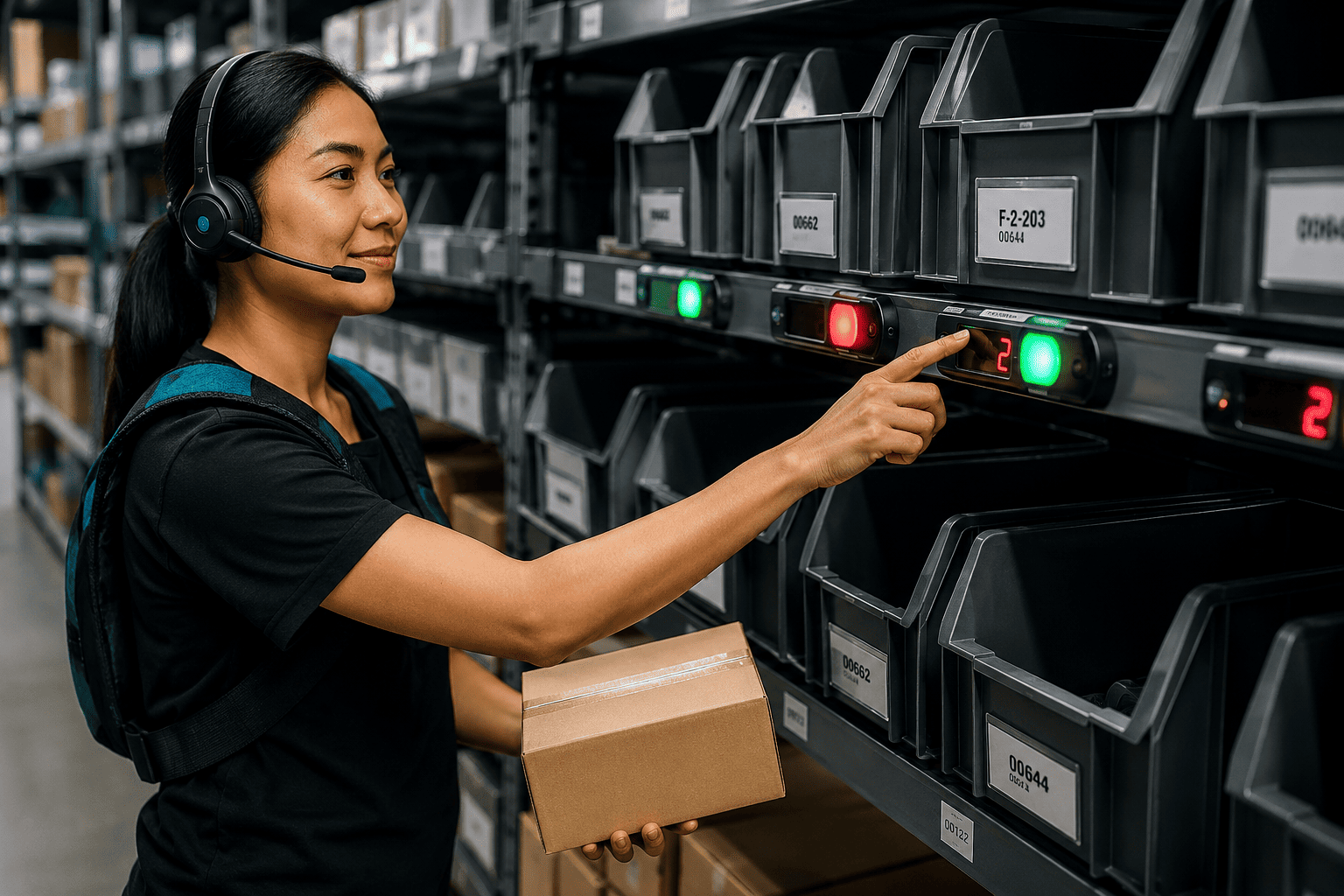
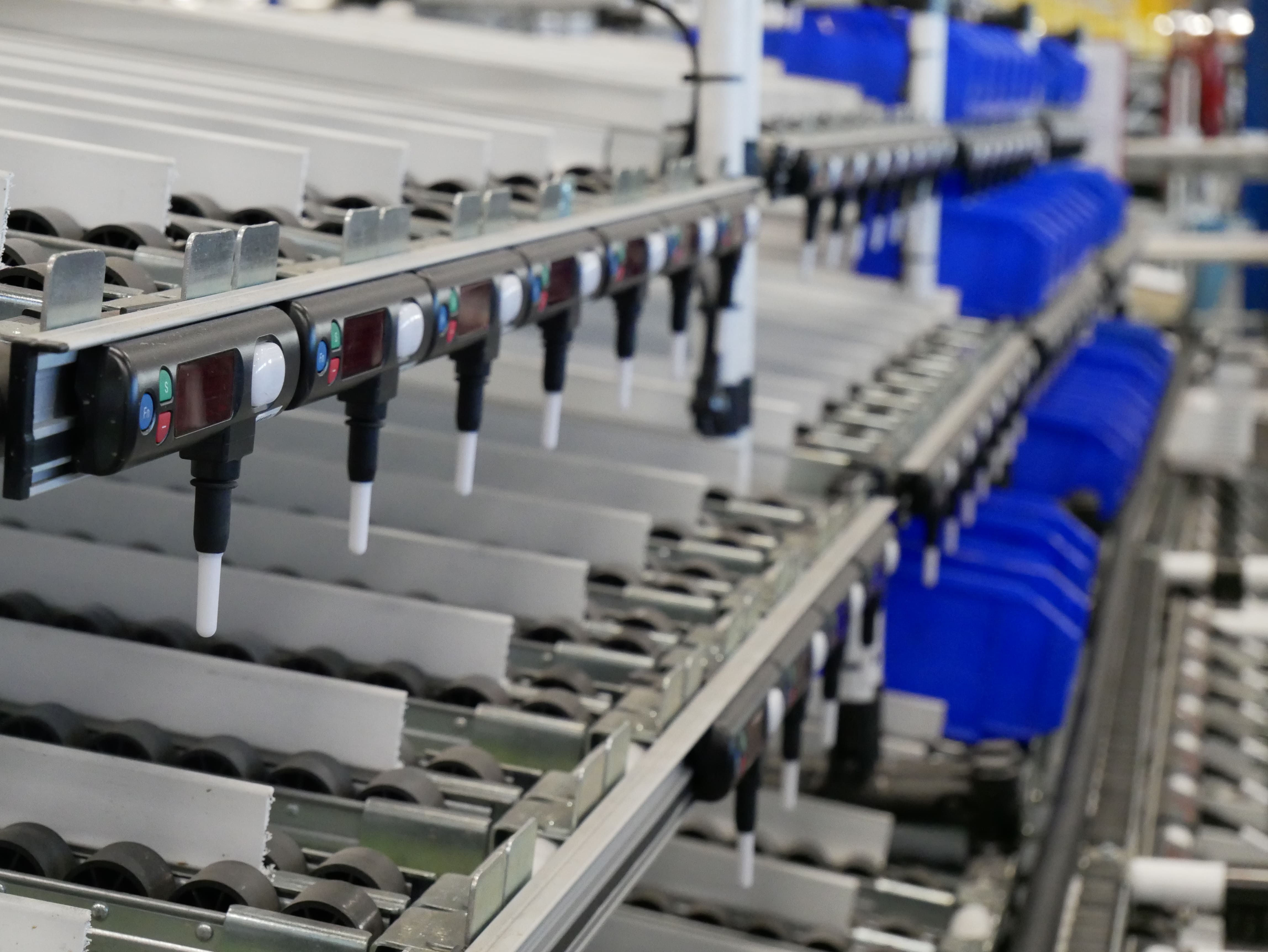
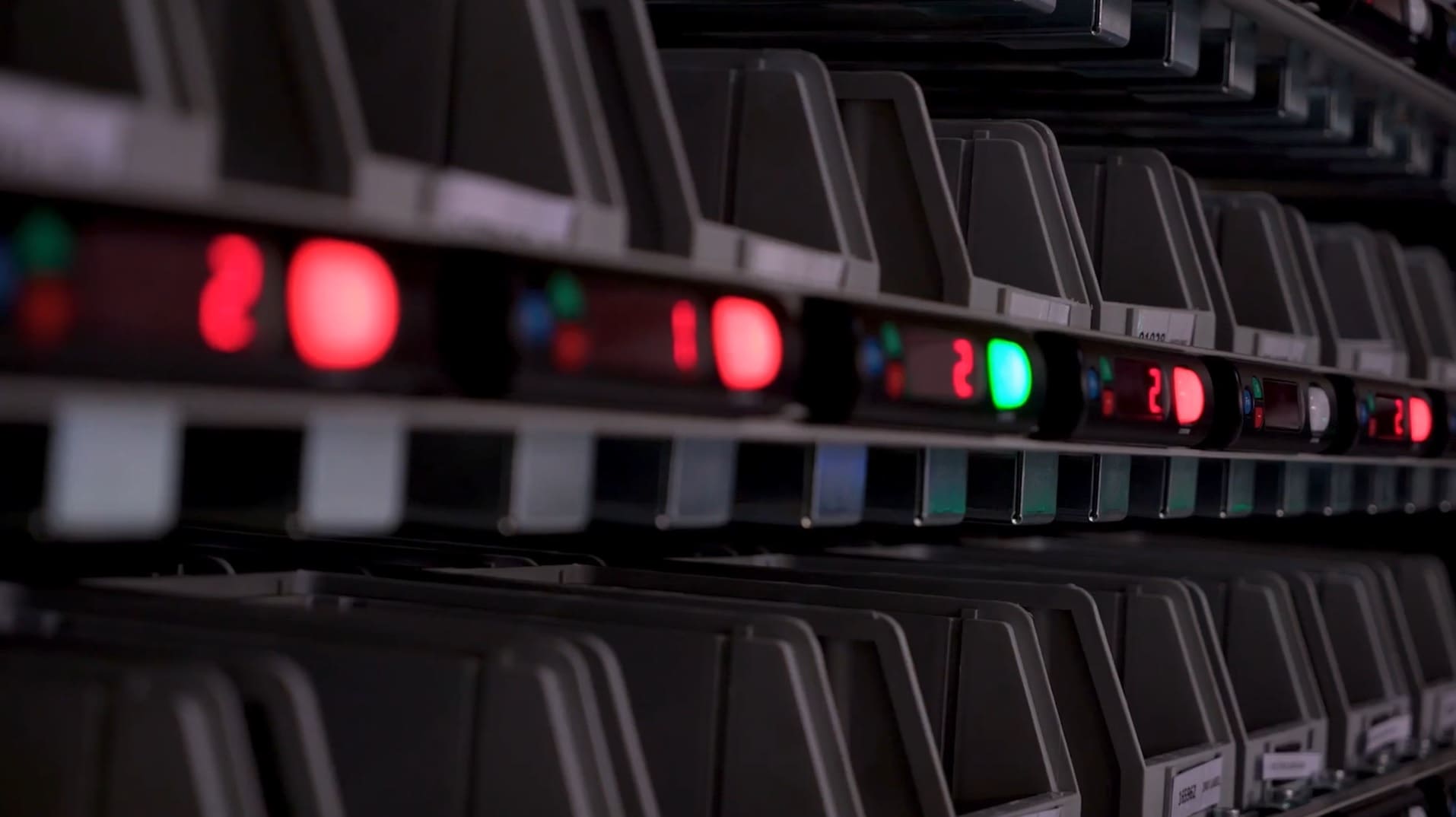
Pick-by-Light
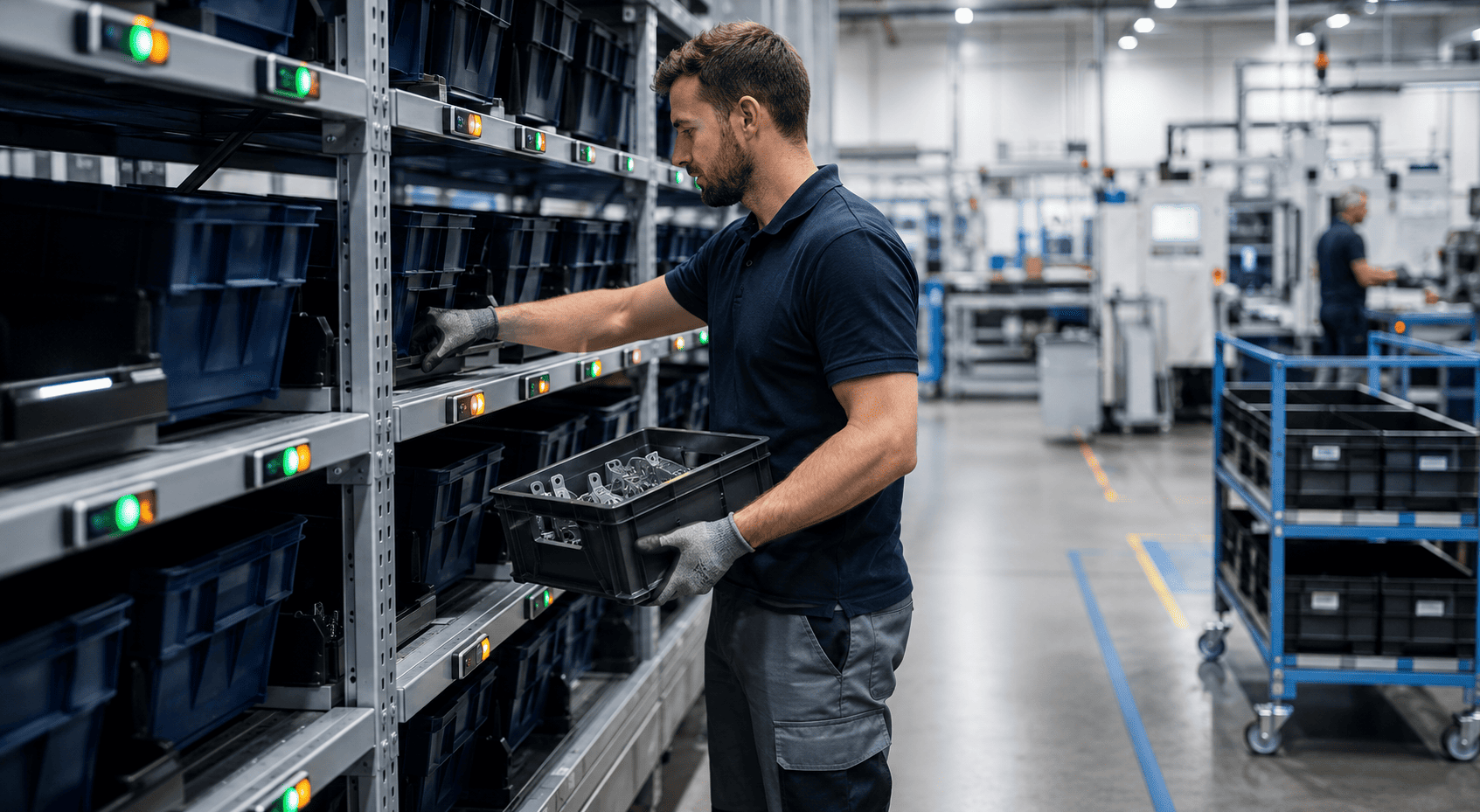
Pick-by-Light uses light-based signals at the storage locations and thus enables paperless, particularly fast, and intuitive picking.
How it works:
- SAP EWM creates warehouse tasks and passes them to the Pick-by-Light system.
- Light modules display the target location and the quantity to be picked.
- The pick is confirmed immediately and reported back to EWM.
Benefits:
- Very high process stability
- Nearly error-free picking
- No handheld device required
- High speed for small parts
Typical use cases:
- Container storage
- High-frequency pick zones
- E‑commerce fulfillment
- Spare parts logistics
Pick-by-Vision (Smart Glasses)
Pick-by-Vision displays digital information directly in the picker’s field of view via smart glasses.
How it works:
- Warehouse tasks are transferred from SAP EWM to the vision system.
- The picker sees storage bin, quantity, and route directly in the display.
- Confirmations are made by scan, gesture, or voice.
Benefits:
- Hands-free work
- Reduced search and travel times
- High ergonomics
Typical use cases:
- Complex, hard-to-navigate warehouse layouts
- Wide variety of articles
- Dynamic picking processes
Pick-by-Voice (Voice Picking)
The picker receives all instructions via a headset and confirms picks by voice.
How it works:
- SAP EWM transmits the tasks to the voice system.
- The picker walks through the warehouse hands-free.
- Confirmations are voice-based, without looking at a device.
Benefits:
- Hands-free and eyes-free
- Very stable over long distances
- Proven for high picking performance
Typical use cases:
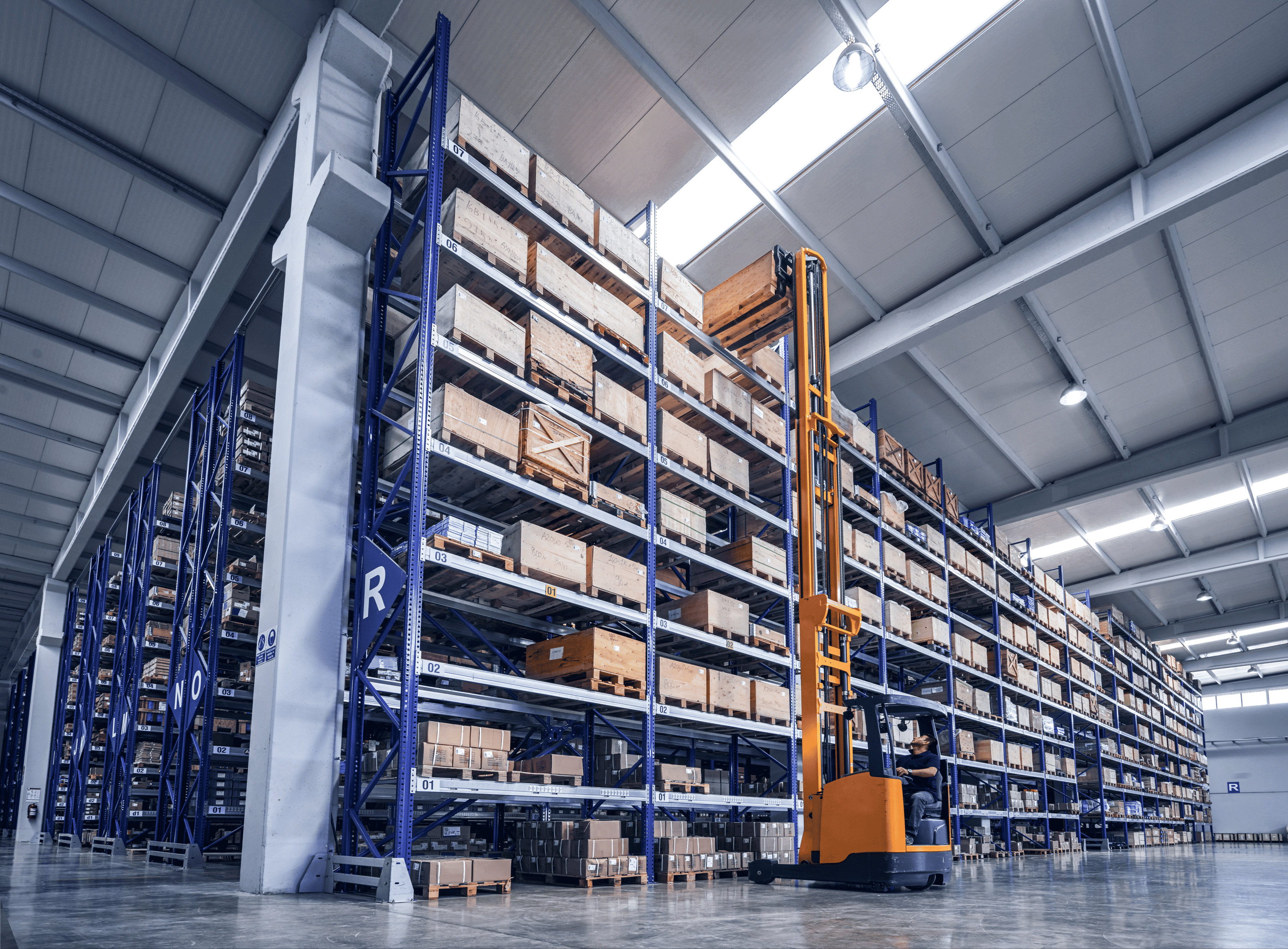
- Large warehouses
- Food and retail logistics
- Chilled and frozen logistics
Pick-by-Motion
A modern, sensor-based technology that analyzes movement patterns and optimizes them ergonomically.
How it works:
- Movement and position data are captured by sensors.
- The system detects inefficient routes or sequences.
- SAP EWM controls orders so that picking paths are optimized.
Benefits:
- Optimized walking routes
- Improved ergonomic workflows
- Higher productivity through smart routing
Typical use cases:
- Manual warehouses
- High staffing levels
- Warehouses with a lot of walking
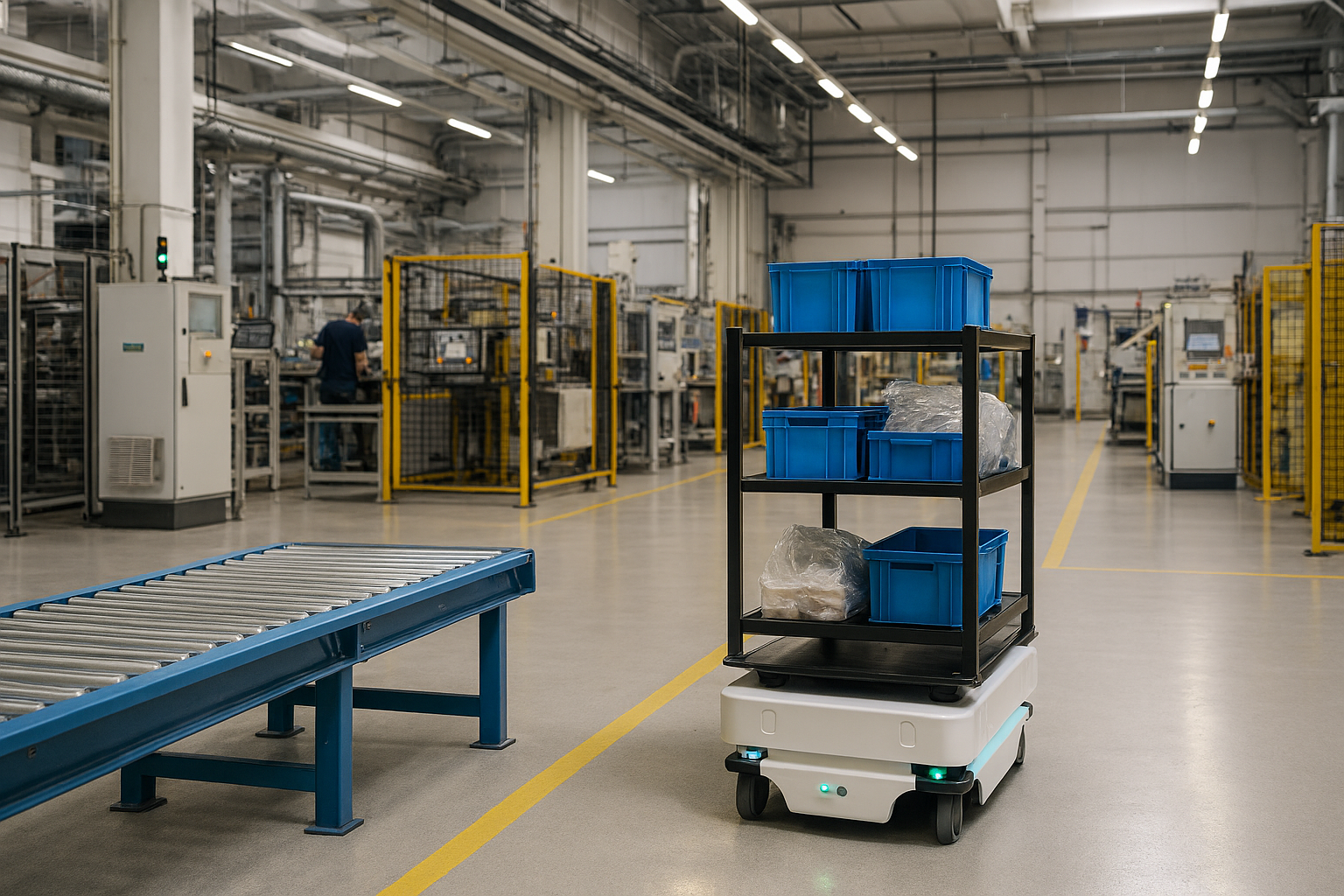
Pick-by-Robot
Automated robots perform picking fully or partially.
How it works:
- SAP EWM creates warehouse orders and sends them to the robotics system.
- Robots pick, transport, and confirm quantities automatically.
- Confirmations are posted in SAP EWM in real time.
Benefits:
- Very high process stability
- Reduced staffing requirements
- 24/7 operation possible
Typical use cases:
- Highly automated warehouses
- Micro-fulfillment centers
- Standardized articles and processes
Pick, Pack & Pass
A continuous process that combines picking, packing, and handover.
How it works:
- Pick items are processed per activity area.
- Containers or orders move from zone to zone (“pass”).
- Finally, packaging takes place or the order is handed over to goods issue.
Benefits:
- Reduced lead times
- Fewer relocations
- Clear zone and responsibility logic
Typical use cases:
- E‑commerce fulfillment
- Shipping warehouses with high throughput
- Standardized packing processes
Picking Process Flow in SAP EWM
A modern picking process with SAP EWM follows a clearly defined, system-supported sequence:
- Order receipt (ERP → EWM)
- Warehouse request & warehouse order creation
- Determination of the optimal removal strategy
- Resource and route optimization
- Execution via RF / Voice / Light / Vision / Robotics
- Real‑time confirmation & inventory update
- Consolidation, packing, goods issue
Conclusion
Efficient picking is one of the most important success factors in modern warehouse logistics. SAP EWM provides a flexible and future-proof framework to support both manual and highly automated warehouse environments.
With continuous innovations in robotics, smart devices, AI-based optimization, and human–machine interaction, SAP EWM continues to evolve as the central control system for warehouse logistics.
FAQs
Picking is a complex process in which many factors interact – from proper order control and strategies to picking techniques and real-time posting in SAP EWM. To help you grasp the key aspects even faster and get answers to typical questions from practice, we have summarized the most important points in the following FAQ.
Picking in SAP EWM refers to the process of selecting goods from the warehouse to fulfill customer orders, production supply, or stock transfers.
SAP EWM uses intelligent task management, optimized routing, and real-time inventory data to improve efficiency and accuracy.
Multiple orders are picked together in a single run, reducing travel distances and improving performance.
Through route optimization, intelligent order bundling, and modern picking technologies such as voice or vision.
Picking technologies automate and guide pickers, increasing speed, accuracy, and process reliability.