
SAP Logistics Management (SAP LGM) at a Glance
SAP Logistics Management connects warehouse, transportation, collaboration and analytics processes in a cloud-native platform. The solution is aimed in particular at companies that want to modernize standardized logistics processes, integrate sites faster and evolve their SAP landscape further toward the cloud.

Cloud-Native Logistics on SAP BTP
SAP LGM is built on the SAP Business Technology Platform and uses modern cloud technologies for integration, scalability, security and extensibility.
Integrated Processes Instead of Isolated Point Solutions
The platform connects warehouse management, transportation processes, Business Network Collaboration and analytics to improve transparency across logistics operations.
A Complement to SAP EWM – Not a Replacement for Every Warehouse
SAP LGM addresses standardized logistics processes with low to medium complexity.
SAP Logistics Management: Rethinking Cloud-Native Logistics
The demands placed on modern logistics processes are constantly growing. Global supply chains, volatile markets, rising customer expectations and the increasing desire for standardized cloud architectures call for solutions that support logistics processes in a flexible, transparent and scalable way. This is exactly where SAP Logistics Management (SAP LGM) comes in.
SAP LGM is a cloud-native logistics platform within the SAP portfolio. The solution was developed to integrate warehouse, transportation, collaboration and analytics processes more closely and to give companies a modern platform for standardized logistics processes. SAP LGM therefore addresses warehouse and logistics scenarios that require more than simple ERP-based inventory processes, but not necessarily the full functional scope of SAP Extended Warehouse Management (SAP EWM).
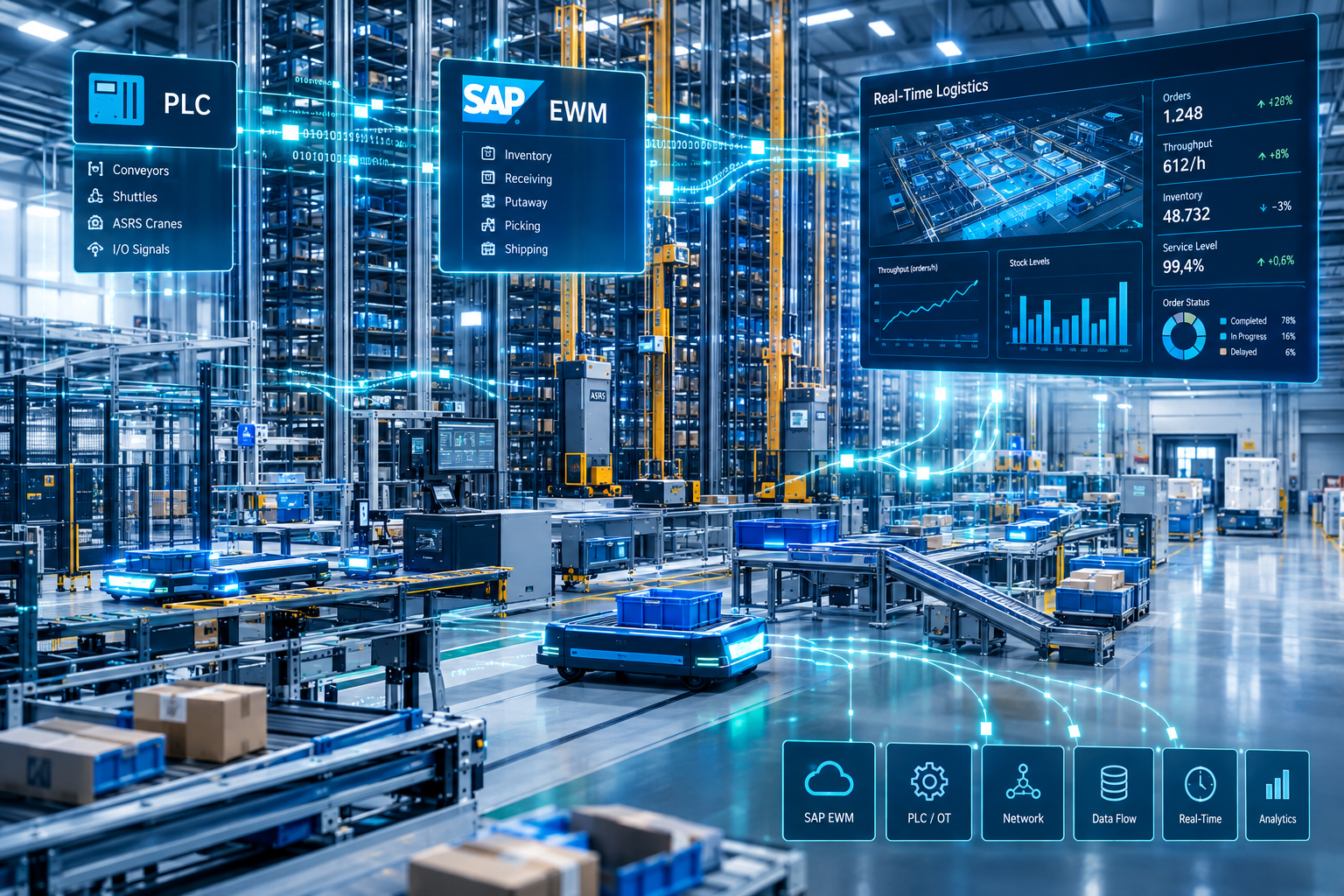
A key difference from historically grown logistics applications lies in the architecture. SAP LGM is built on the SAP Business Technology Platform (SAP BTP) and uses modern cloud technologies for integration, scaling and extensibility. This makes SAP LGM an important building block for companies that want to standardize their SAP logistics landscape and evolve it further in the cloud.
Why SAP Logistics Management Was Developed
In recent years, many companies have tried to map their logistics processes across different systems and architectures. Large distribution centers are often run with SAP EWM. Transportation processes are partly handled in SAP Transportation Management. Smaller or regional warehouse locations, however, frequently work with SAP Inventory Management, SAP Stock Room Management, non-SAP systems or local in-house solutions.
These heterogeneous structures make transparency, process harmonization and scaling more difficult. Smaller to mid-sized warehouse locations in particular have so far been hard to integrate into a modern, unified SAP target architecture. For many scenarios, SAP EWM was functionally very extensive, while simple ERP-based warehouse processes were not sufficient in the long run.
SAP Logistics Management closes exactly this gap. The solution extends the SAP logistics portfolio with a cloud-native platform for standardizable warehouse and logistics processes. In doing so, SAP creates an additional option between simple SAP IM or Stock Room Management scenarios and complex SAP EWM or SAP TM landscapes.
SAP LGM as a Building Block of a Modern SAP Logistics Architecture
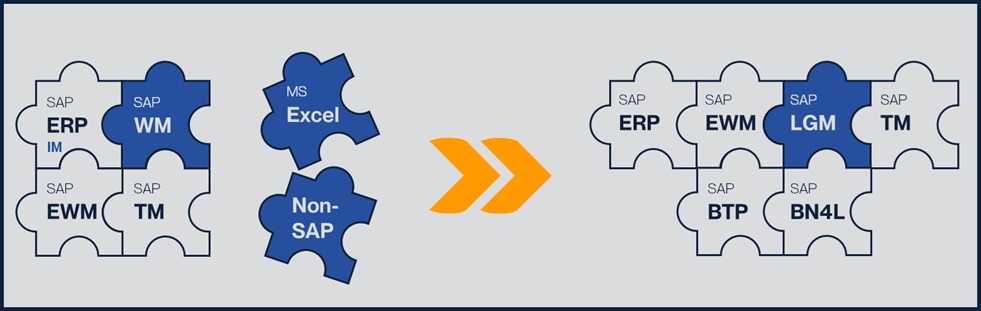
What Is SAP Logistics Management (SAP LGM)?
SAP Logistics Management is a modern cloud solution that bundles various logistics functions on a shared platform. The focus is on integrated processes, a cloud-native architecture, flexible extensibility and stronger collaboration within logistics networks.
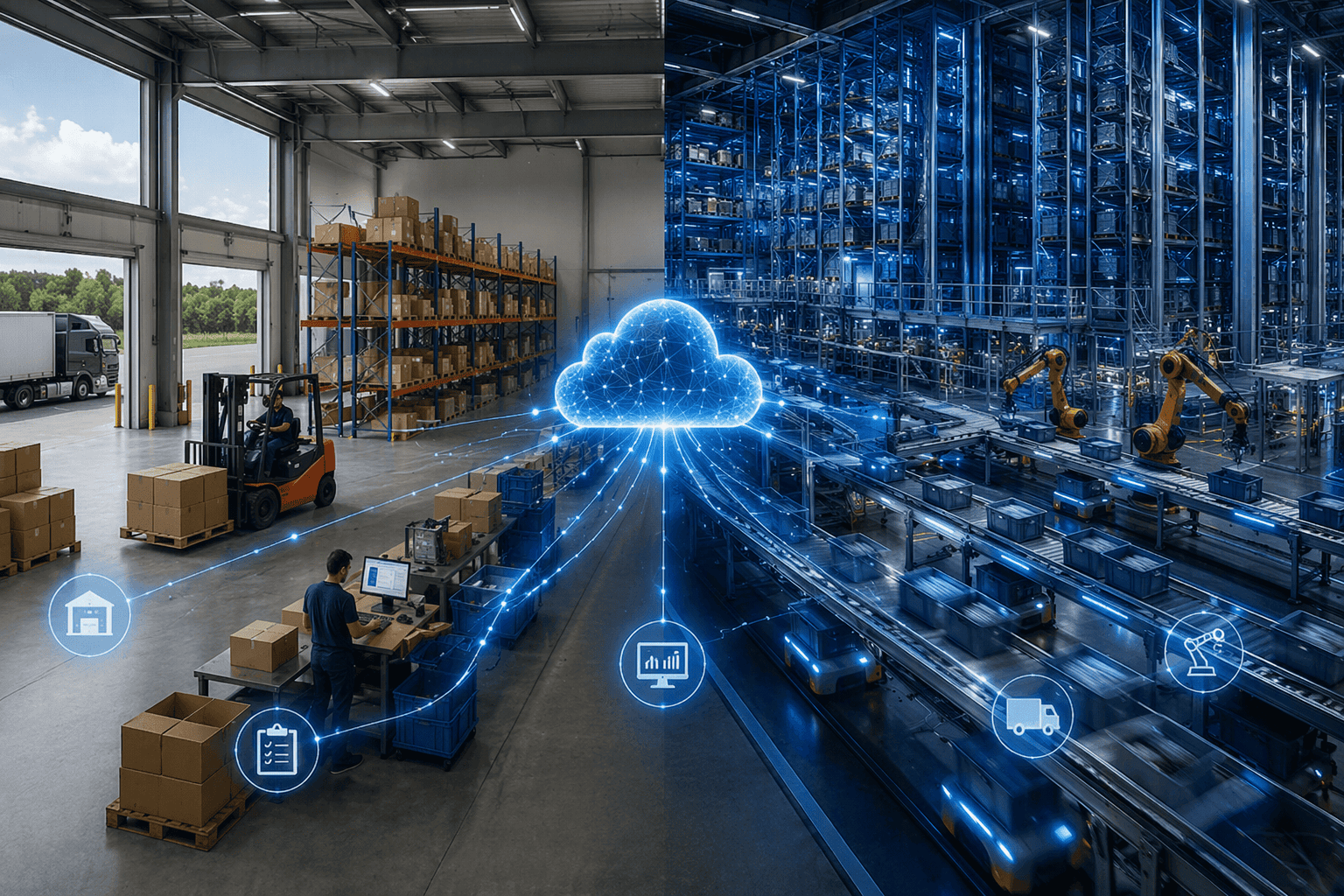
SAP LGM connects warehouse processes, transportation processes, network and partner collaboration, and analytics functions. This creates a platform that helps companies make logistics operations more transparent and manage operational processes better. This approach is particularly relevant for companies with several small or mid-sized warehouse locations, decentralized structures or a clear cloud-first strategy.
It is important to note, however, that SAP LGM is not intended as a replacement for every existing warehouse management scenario. The solution follows a fit-to-standard approach and is best suited where processes can be standardized and no highly automated material flow control is required. If you want to find out whether SAP LGM fits your own warehouse landscape, you will find more information in the article “Which Companies Are a Good Fit for SAP LGM?”.
The Role of SAP BTP in SAP LGM
The SAP Business Technology Platform forms the technological foundation of SAP LGM. SAP BTP enables integrations, extensions and cloud-native services. For companies, this means that SAP LGM should not be viewed as an isolated application, but as part of a modern SAP cloud architecture.
Integration services allow SAP and non-SAP systems to be connected. Extensions are not implemented through deep modifications in the core system, but typically through side-by-side approaches on SAP BTP. This supports a cleaner system architecture and reduces technical dependencies in the long term.
SAP LGM complements the SAP logistics portfolio – it does not replace SAP EWM.
SAP Logistics Management was developed to map standardized, cloud-based logistics processes. The solution is aimed in particular at companies that want to harmonize warehouse and logistics processes, integrate sites faster and use modern cloud architectures.

Key Functional Areas of SAP Logistics Management
SAP LGM brings together several logistics functional areas on one platform. This creates an integrated view of processes that in many companies were previously spread across different systems, interfaces or local solutions.
Warehouse Processes and Operational Execution
SAP LGM supports companies in mapping standardized warehouse processes. These include typical operational workflows such as goods receipt, inventory transparency, internal movements, picking, packing and shipping. The focus is not on maximum customization, but on stable, standardized processes for warehouse locations with low to medium complexity.
Transportation and Network Processes
In addition to warehouse processes, SAP LGM also addresses transportation-related and network-related workflows. This positions the solution not as an isolated warehouse management system, but as a platform for integrated logistics processes. This approach is particularly interesting for companies that want to link warehouse and transportation processes more closely.
Business Network Collaboration
An important part of the existing positioning is collaboration with partners and service providers. Business Network Collaboration allows external parties to be better involved along logistics processes. The goal is more efficient collaboration with partners, service providers, suppliers and customers.
Analytics and Transparency
Modern logistics requires transparency. SAP LGM helps companies bundle operational information more effectively and manage processes in a more data-driven way. Near-real-time insights into logistics operations can help assess inventory, process status and operational bottlenecks more effectively.
Benefits of SAP Logistics Management
SAP LGM offers companies several benefits – especially when they want to standardize their logistics landscape and evolve it further in the cloud.
End-to-End Transparency
Seamless transparency across warehouse, transportation and network processes.
Standardized Processes
Fewer local special solutions and harmonized workflows across multiple sites.
Cloud-Native Architecture
Modern cloud platform based on the SAP Business Technology Platform.
High Scalability
Easy integration of additional sites, processes and partners.
Business Collaboration
Better collaboration with suppliers, service providers and business partners.
Faster Implementation
A fit-to-standard approach reduces project effort and accelerates rollouts.
Limitations of SAP Logistics Management
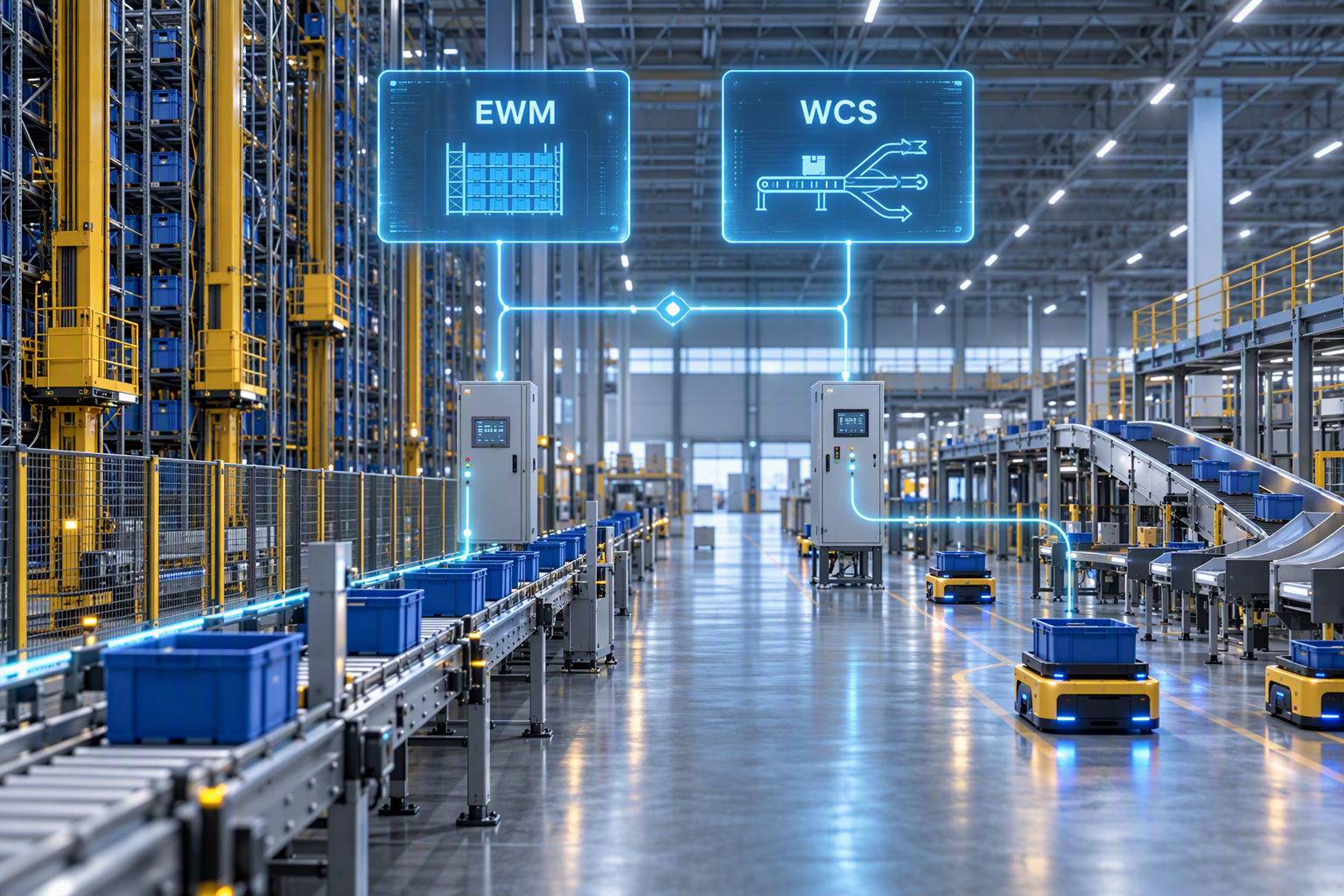
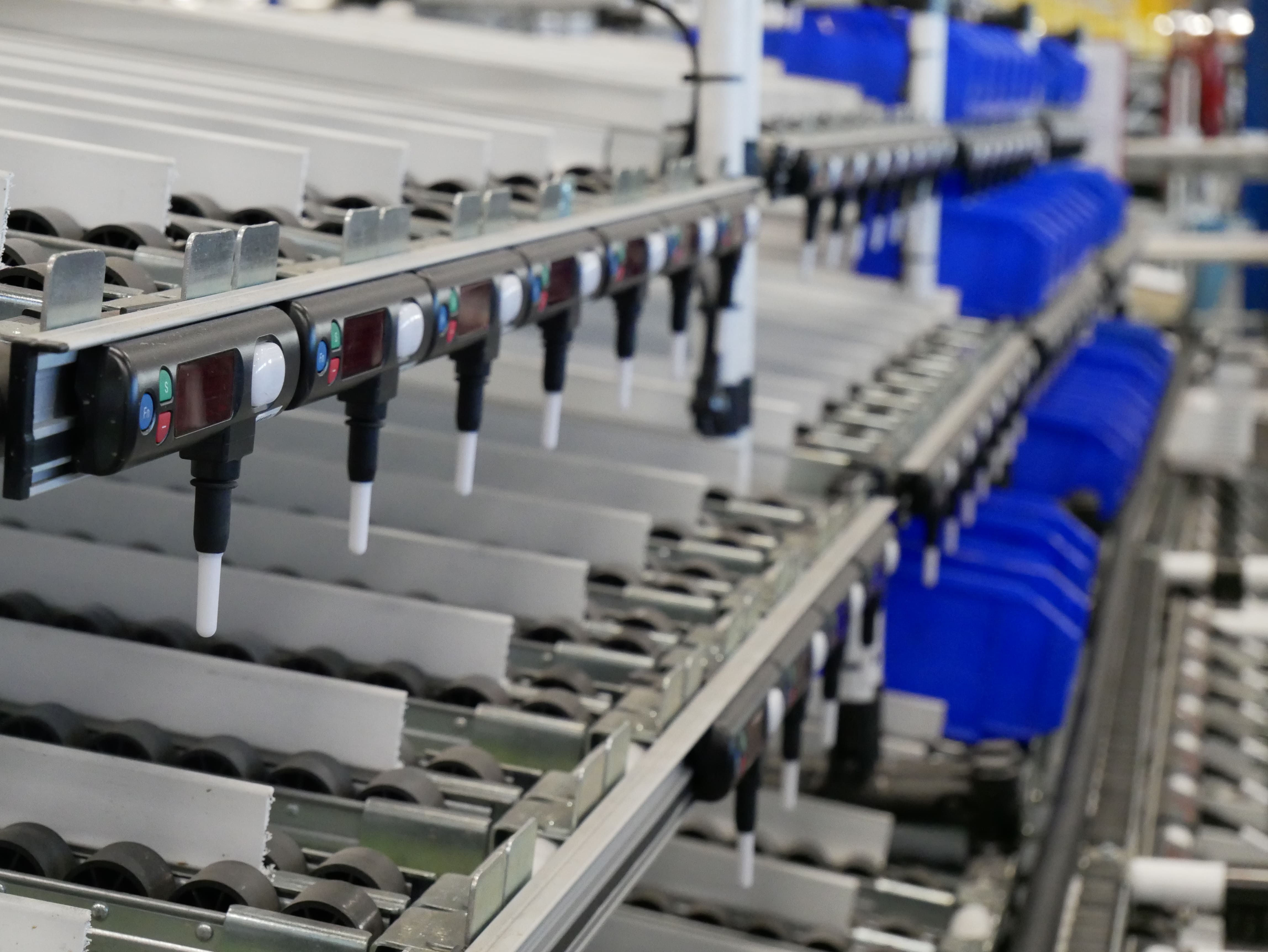
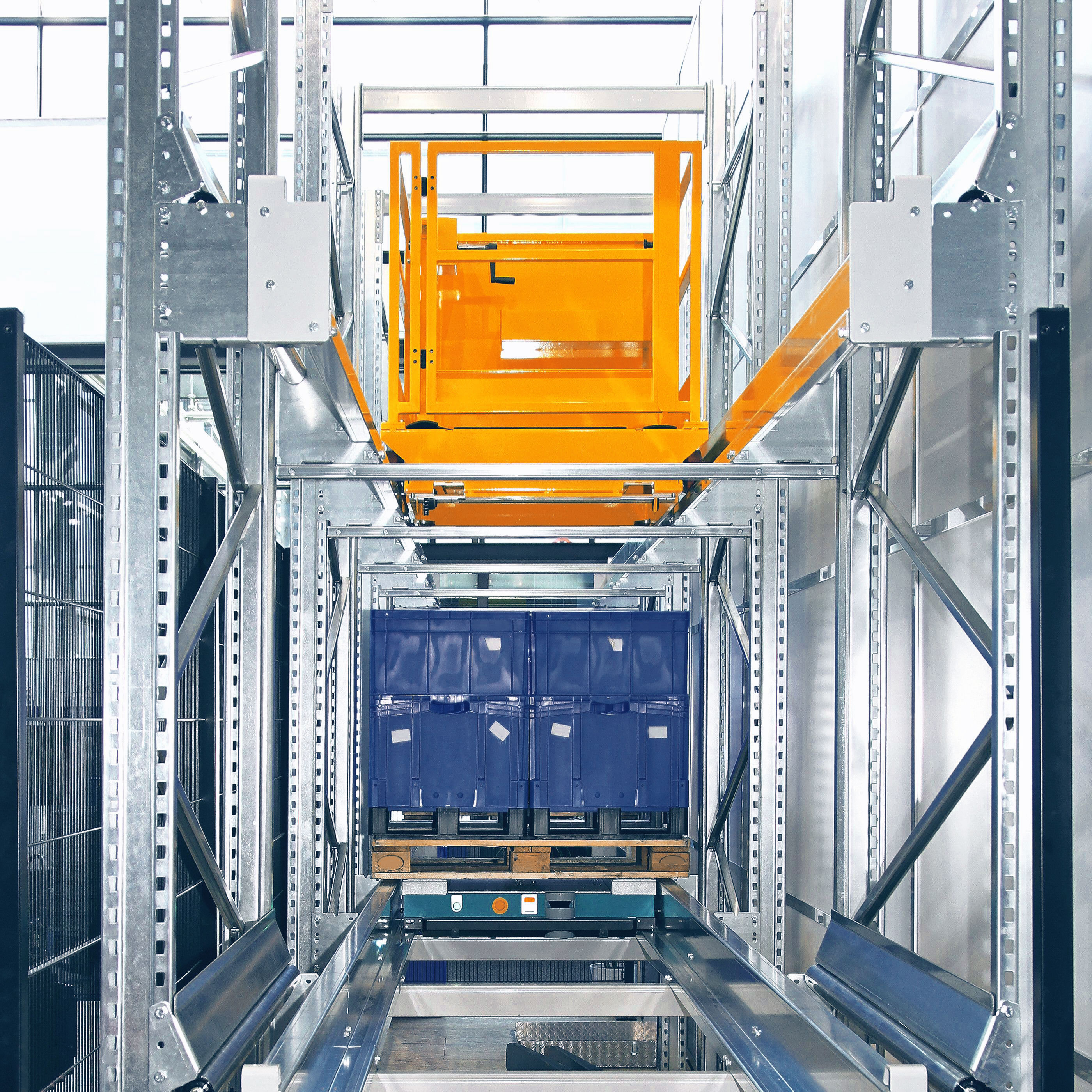
A credible assessment of SAP LGM should also name the limitations of the solution. SAP LGM is not the first choice in particular when warehouse processes are highly customized, highly automated or very complex. For high-bay warehouses, shuttle systems, conveyor technology, automated small-parts warehouses or material flow control with SAP EWM MFS, SAP EWM remains the more suitable solution in many cases.
Companies that have historically run heavily customized SAP WM or special solutions should also not assume that SAP LGM will take over every existing function one to one. The value of SAP LGM arises above all when processes are standardized, simplified and re-evaluated in line with a modern cloud target picture.
SAP LGM Alongside SAP EWM and SAP TM
SAP Logistics Management should not be seen as a competitor to SAP EWM or SAP Transportation Management. Rather, SAP LGM extends the SAP logistics portfolio with an additional option for standardized cloud logistics.
While SAP EWM plays to its strengths in complex warehouse and intralogistics processes and SAP TM provides extensive functions for transportation planning and transportation management, SAP LGM addresses standardizable logistics scenarios with low to medium complexity.
For companies with several warehouse types, this can result in a differentiated target architecture: SAP EWM for automated distribution centers or complex production logistics, SAP LGM for regional warehouse locations, satellite warehouses or cloud-first scenarios. This differentiated view is a key success factor of modern logistics strategies.
SAP LGM or SAP EWM – Which Solution Fits Better?
The decisive question is not which solution is better in general, but which solution best fits the requirements of each warehouse location.
SAP LGM was developed for standardized, cloud-based logistics processes and is particularly suitable for companies that want to harmonize several warehouse locations, implement cloud strategies and simplify their logistics architecture.
SAP EWM, by contrast, addresses complex warehouse environments with advanced process requirements, automation technology, material flow control (MFS) or demanding production logistics.
In practice, many companies use both solutions in parallel: SAP EWM for central distribution centers or highly automated warehouses, SAP LGM for standardized warehouse locations within the same SAP landscape.
Would you like to understand the differences in detail? Then also read our article “SAP LGM vs. SAP EWM: Which Warehouse Management Solution Fits Your Business?”
Which Companies Are a Good Fit for SAP LGM?
SAP Logistics Management was developed for standardized logistics processes. The solution is particularly suitable for companies that want to harmonize several warehouse locations, implement cloud strategies and simplify their logistics architecture in the long term.
Regional Warehouses
Standardized warehouse processes with manageable complexity and strong rollout capability within an SAP landscape.
Satellite Warehouses
Integration of smaller warehouse locations into a central SAP S/4HANA architecture with unified processes.
Spare Parts Logistics
High inventory and process transparency for service and spare parts networks with standardized workflows.
Cloud-First Initiatives
Modern logistics processes based on SAP BTP and SAP S/4HANA with a focus on standardization.
Multi-Site Rollouts
Fast introduction of harmonized logistics processes across multiple national or international locations.
Hybrid Logistics Landscapes
A complement to SAP EWM for companies with different warehouse types and levels of complexity.
SAP LGM as a Building Block of Modern Cloud Logistics
SAP Logistics Management extends the SAP logistics portfolio with a cloud-native platform for integrated logistics processes. The solution connects warehouse, transportation, collaboration and analytics functions and is aimed in particular at companies that want to modernize standardized logistics processes and evolve their SAP landscape further toward the cloud.
At the same time, SAP LGM should not be understood as a blanket replacement for SAP EWM. For complex, highly automated or heavily customized warehouses, SAP EWM remains the strategic solution. The strength of SAP LGM lies in providing an additional option for standardized warehouse and logistics scenarios with low to medium complexity.
Companies should therefore not consider SAP LGM in isolation, but assess it as part of their overall logistics and transformation strategy. What matters is not which solution is better in general, but which solution best fits the respective warehouse types, processes and business goals.
FAQs
Frequently asked questions about SAP Logistics Management (SAP LGM) and related topics
SAP Logistics Management (SAP LGM) is a cloud-native logistics platform in the SAP portfolio. The solution connects warehouse, transportation, collaboration and analytics processes on a shared technology foundation and helps companies map standardized logistics processes efficiently and at scale. SAP LGM is built on the SAP Business Technology Platform (SAP BTP) and is part of a modern cloud strategy within SAP S/4HANA landscapes.
SAP LGM is used for standardized warehouse and logistics processes. Typical use cases are regional warehouse locations, satellite warehouses, spare parts warehouses or other logistics sites with low to medium process complexity. The solution is particularly suitable for companies that want to harmonize their logistics processes and evolve them further in the cloud.
SAP LGM is not a direct successor to SAP Warehouse Management (SAP WM). Rather, SAP LGM extends the SAP portfolio with an additional option for cloud-based and standardized warehouse processes. Whether SAP LGM, SAP EWM or SAP Stock Room Management is the right target architecture depends on the respective processes, requirements and warehouse locations.
SAP LGM focuses on standardized cloud logistics and a consistent fit-to-standard approach. SAP Extended Warehouse Management (SAP EWM), on the other hand, is SAP’s strategic solution for complex warehouse processes, production logistics, automation and material flow control. Which solution is better suited depends on the warehouse type and the operational requirements.
The SAP Business Technology Platform (SAP BTP) forms the technological foundation of SAP LGM. SAP BTP provides integrations, extensions, analytics functions and cloud-native services. This allows companies to integrate SAP LGM flexibly into existing SAP and non-SAP landscapes and to implement future extensions in a standardized way.
SAP LGM is particularly suitable for companies with standardized warehouse processes, several regional warehouse locations, satellite warehouses, spare parts logistics or a clear cloud strategy. What matters here is less the size of the company than the complexity of the respective warehouse processes.
Yes. SAP Logistics Management was designed for integration into modern SAP landscapes. Companies can use SAP LGM, for example, for standardized warehouse locations while complex distribution centers continue to run on SAP EWM. Connecting to SAP Transportation Management (SAP TM), SAP S/4HANA and other SAP solutions is also possible. This makes it possible to build hybrid target architectures that sensibly combine standardization, scalability and functional requirements.
Many companies operate different warehouse types within a shared logistics landscape. SAP LGM can be used for standardized warehouse locations, while SAP EWM maps complex or automated warehouse processes. This results in a differentiated target architecture in which each solution is used where it can best play to its strengths. This combination enables a high degree of flexibility together with unified integration within the SAP landscape.
For highly automated warehouses with conveyor technology, automated small-parts warehouses, shuttle systems, high-bay warehouses or material flow control via SAP EWM MFS, SAP EWM is generally the more suitable solution. SAP LGM was developed primarily for standardized processes and warehouse locations with low to medium complexity.
SAP LGM should be assessed as part of a holistic logistics strategy. Factors such as process complexity, degree of automation, cloud readiness, integration requirements and future scaling goals are taken into account. On this basis, it can be decided whether SAP LGM, SAP EWM or a hybrid target architecture is the right solution for the company.