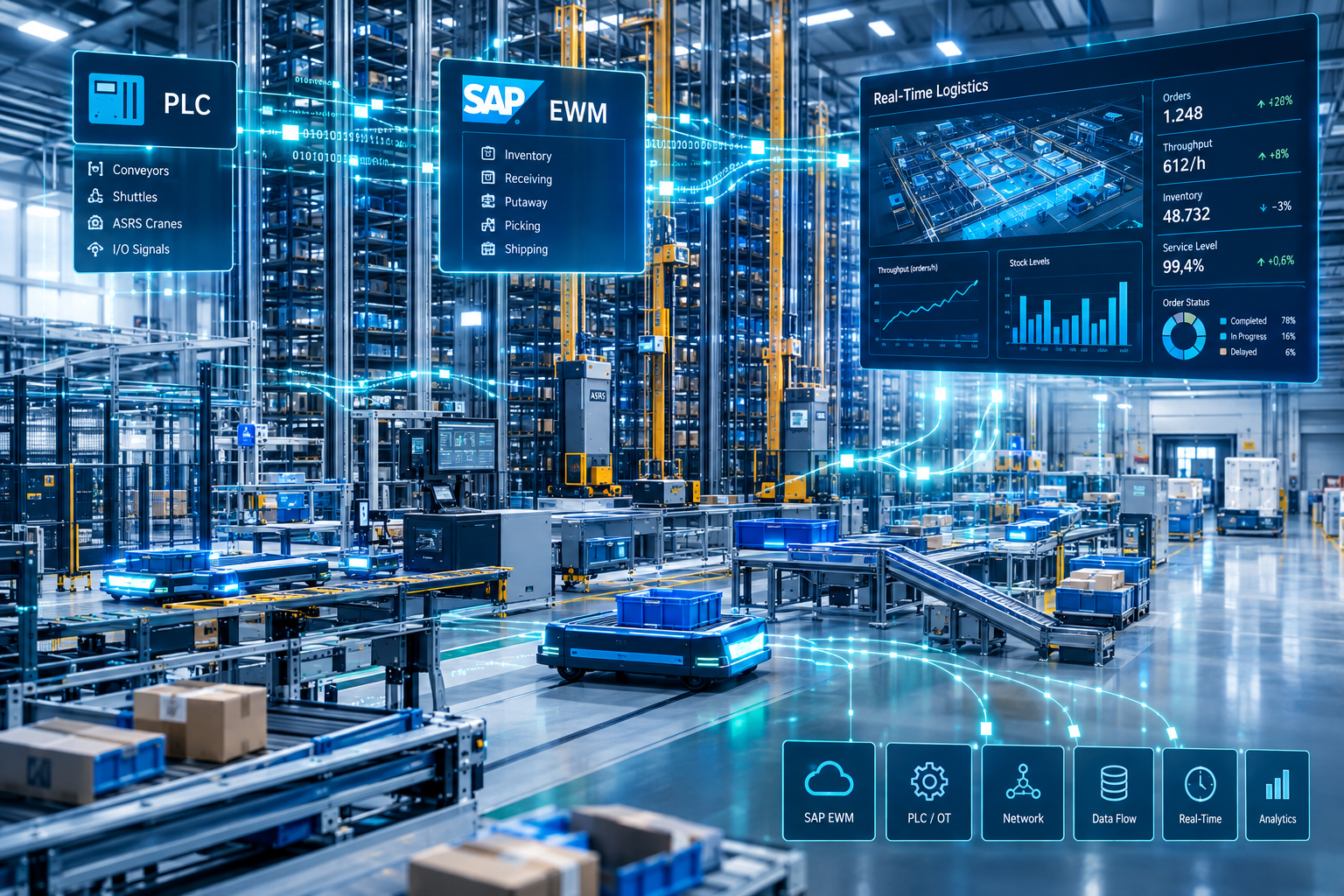
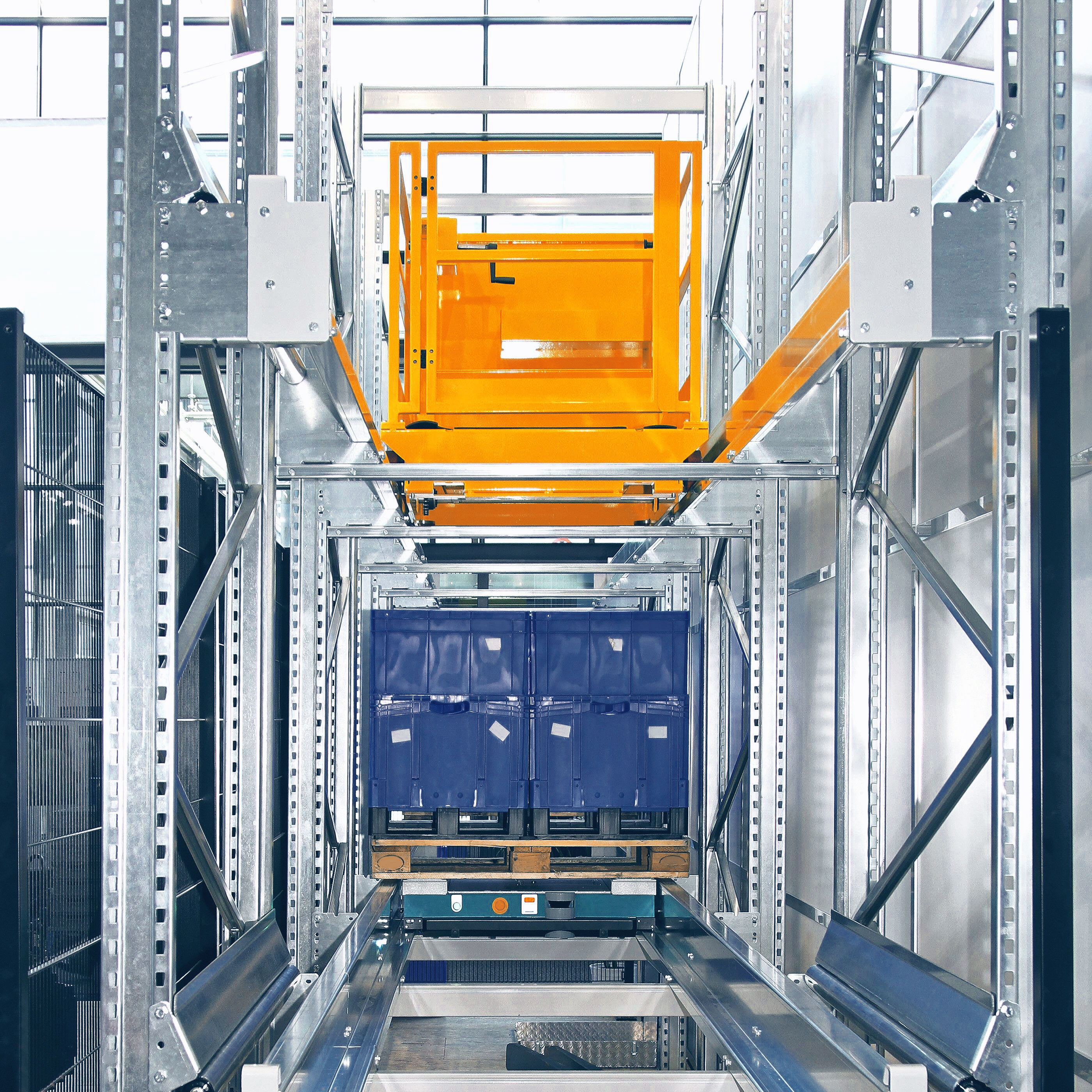
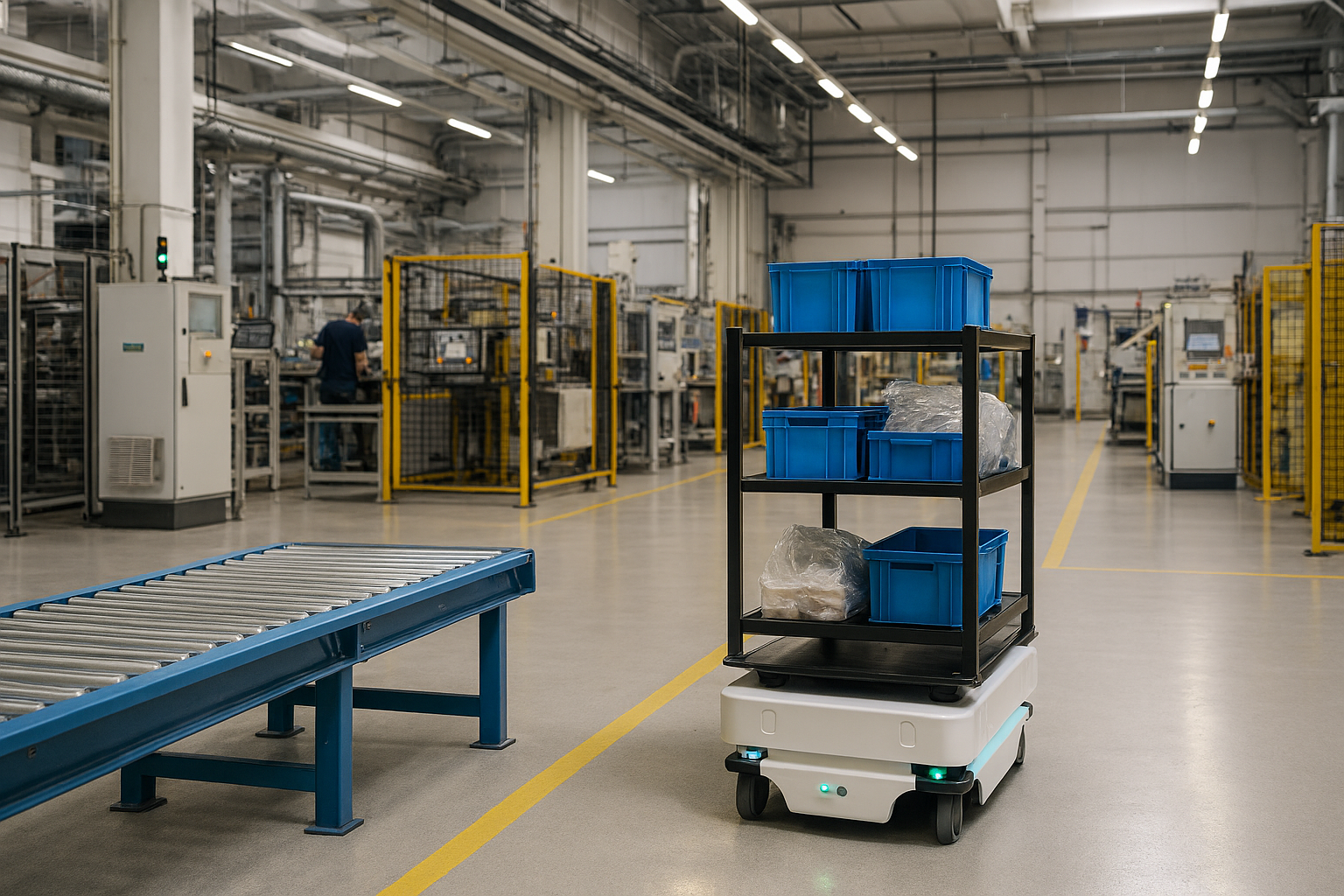
SAP Extended Warehouse Management (SAP EWM) is SAP’s central solution for mapping, controlling, and optimizing complex warehouse processes.
Within SAP’s warehouse management landscape, SAP EWM provides the technological foundation for high process depth, automation, and scalability – ranging from manual warehouse operations to highly automated intralogistics environments.
This page positions SAP EWM and outlines the key decision dimensions.
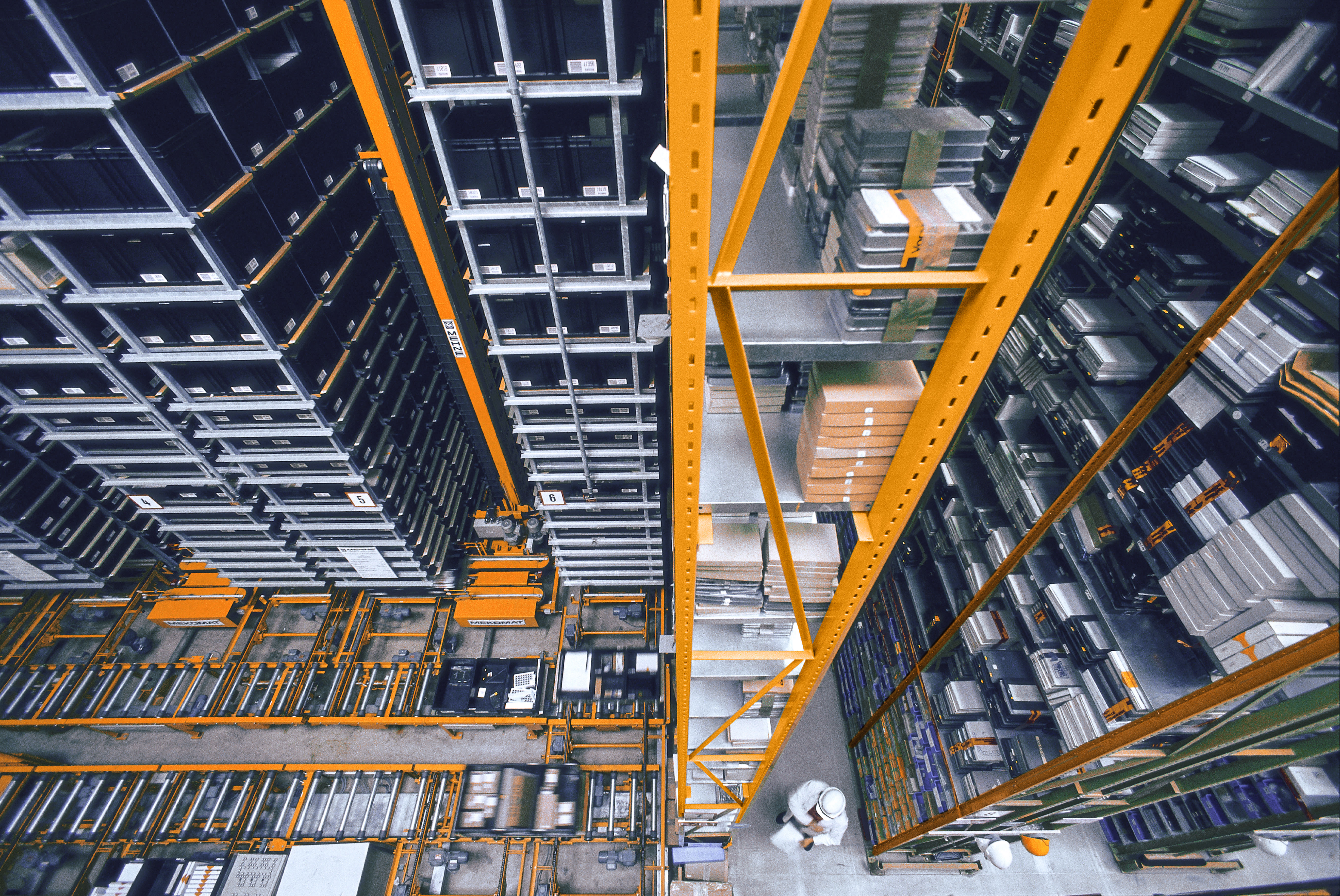
SAP EWM is a comprehensive warehouse management system for the detailed mapping, control, and optimization of all material flows. The solution enables fine-grained process design across the entire flow of materials – from goods receipt to internal warehouse movements through to goods issue.
Compared to simpler warehouse management solutions, SAP EWM offers:
SAP EWM is modular in structure. The specific setup depends on architecture, deployment model, and functional scope.
Within the SAP portfolio, SAP EWM represents the long-term target architecture for warehouse management. Earlier solutions such as SAP WM or simplified warehouse functions in SAP S/4HANA now cover only basic requirements and are no longer strategically aligned with future logistics processes.
SAP EWM is particularly suited for companies where:
SAP EWM thus positions itself as the central platform for future-proof intralogistics.
SAP EWM is not a rigid standard solution. Its specific design results from multiple decision dimensions that must be considered together.

How is SAP EWM technically connected and integrated into the system landscape?
Architecture describes how SAP EWM is embedded into the existing landscape. A distinction is made between Embedded SAP EWM and Decentralized SAP EWM.

Where and in which edition is SAP EWM operated?
SAP EWM can be used in different operating models. These differ particularly in functional scope, adaptability, and governance framework conditions.

Which functions are available – and in what context?
SAP EWM is divided into two variants: SAP EWM Basic and SAP EWM Advanced.

The technical embedding of SAP EWM fundamentally depends on the architecture and integration model. This determines how SAP EWM is connected to the existing system landscape and how it impacts performance, maintainability, and scalability.
Two main variants are distinguished:
SAP EWM is directly integrated into SAP S/4HANA and runs within the same system and client. This variant is particularly suitable for scenarios with clearly structured landscapes and lower system complexity.
SAP EWM is operated as a standalone system and connected to ERP via defined interfaces. This variant offers greater decoupling, higher scalability, and is particularly relevant for complex or high-performance logistics environments.
Based on this, different system landscapes emerge:
The architecture decision has a direct impact on system complexity, performance, maintainability, and the long-term evolution of warehouse logistics.

SAP EWM can be operated in different cloud and deployment models. These differ primarily in functional scope, adaptability, and governance and operating conditions.
Available options include:
Warehouse management functions based on EWM with a clearly defined, standardized functional scope. This variant focuses on fit-to-standard scenarios with limited customization.
SAP EWM with nearly full functional depth and high flexibility, comparable to traditional on-premise landscapes, but operated as a cloud model.
The choice of cloud and deployment model significantly influences:

The functional scope of SAP EWM is divided into two variants. These define which processes and control mechanisms are available in a given usage context.
Enables the mapping of fundamental, structured warehouse processes. This functional scope is suitable for scenarios with moderate process complexity and without extensive automation requirements.
Extends the functional depth with control, optimization, and automation capabilities. This includes advanced material flow control, extended resource and labor management, and functions for complex warehouse and distribution structures.
Not every functional scope is available in every cloud or deployment model. Especially in cloud scenarios, there are restrictions that must be considered in solution design.
The selection of the appropriate functional scope should therefore always be aligned with architecture, cloud setup, and process requirements.

SAP EWM is used across industries and is particularly suitable for:
Suitability primarily depends on process complexity and strategic objectives.
For IT and logistics leaders, SAP EWM offers in particular:
SAP EWM creates the conditions for efficient, integrated, and future-ready warehouse processes.

Qinlox supports companies in the implementation, transformation, and optimization of SAP EWM. Services include:
The approach is solution-oriented, realistic, and focused on sustainable implementability.
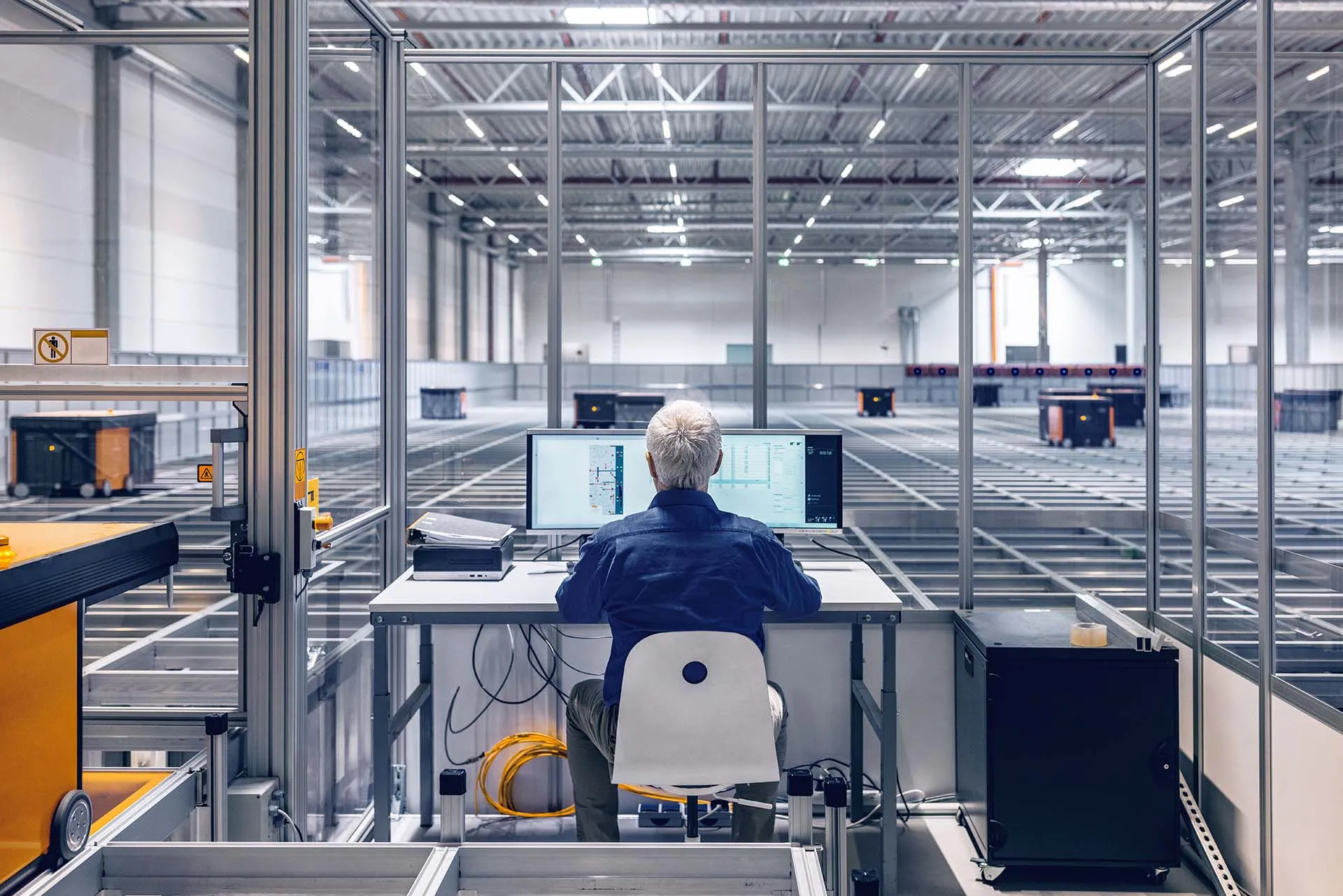
SAP Extended Warehouse Management offers a wide range of architecture, deployment, and functional options. The right setup depends on existing system landscapes, logistical requirements, and strategic objectives.
As part of a non-binding exchange, an initial assessment is carried out. This includes evaluating architecture variants, cloud options, and the basic EWM maturity level.
Have questions? In the following FAQs, we have compiled the most important answers for you. If your question is not included, please feel free to contact us directly.
SAP EWM offers significantly deeper process modeling, higher scalability, and is strategically aligned with automation and integration.
Not mandatory, but for more complex warehouse processes it is the recommended long-term solution.
Yes, both in SAP S/4HANA Private Cloud Edition and in a limited form in the Public Cloud.
This depends on process complexity, IT strategy, and growth perspective. Both embedded and decentralized scenarios are possible.
Discover the latest analyses, articles, and perspectives on SAP, supply chain, and business transformation. Practical knowledge – directly from our consultants for your business.