


SAP LGM vs. SAP EWM at a Glance
SAP Logistics Management (SAP LGM) and SAP Extended Warehouse Management (SAP EWM) address different logistics requirements. While SAP LGM focuses on standardized cloud-based warehouse operations, SAP EWM is designed for complex warehousing, automation, and production logistics scenarios. The right choice depends less on company size and more on the specific requirements of each warehouse location.

SAP LGM for Standardized Operations
Cloud-based logistics platform for warehouses with low to medium complexity.
SAP EWM for Complex Logistics
Comprehensive SAP solution for warehouse automation, production logistics, and material flow control.
Not an Either-Or Decision
Many companies combine SAP LGM and SAP EWM within the same logistics landscape.
Why Companies Are Reassessing Their Warehouse Strategy
Many companies are currently in the midst of their SAP S/4HANA transformation journey. In many cases, the transformation extends beyond modernizing the ERP landscape and includes a reassessment of the future warehouse strategy.
While SAP Extended Warehouse Management (SAP EWM) has established itself as SAP’s strategic warehouse management solution, SAP Logistics Management (SAP LGM) introduces a cloud-native alternative. As a result, many organizations are now evaluating which solution best fits the specific requirements of their warehouse locations.
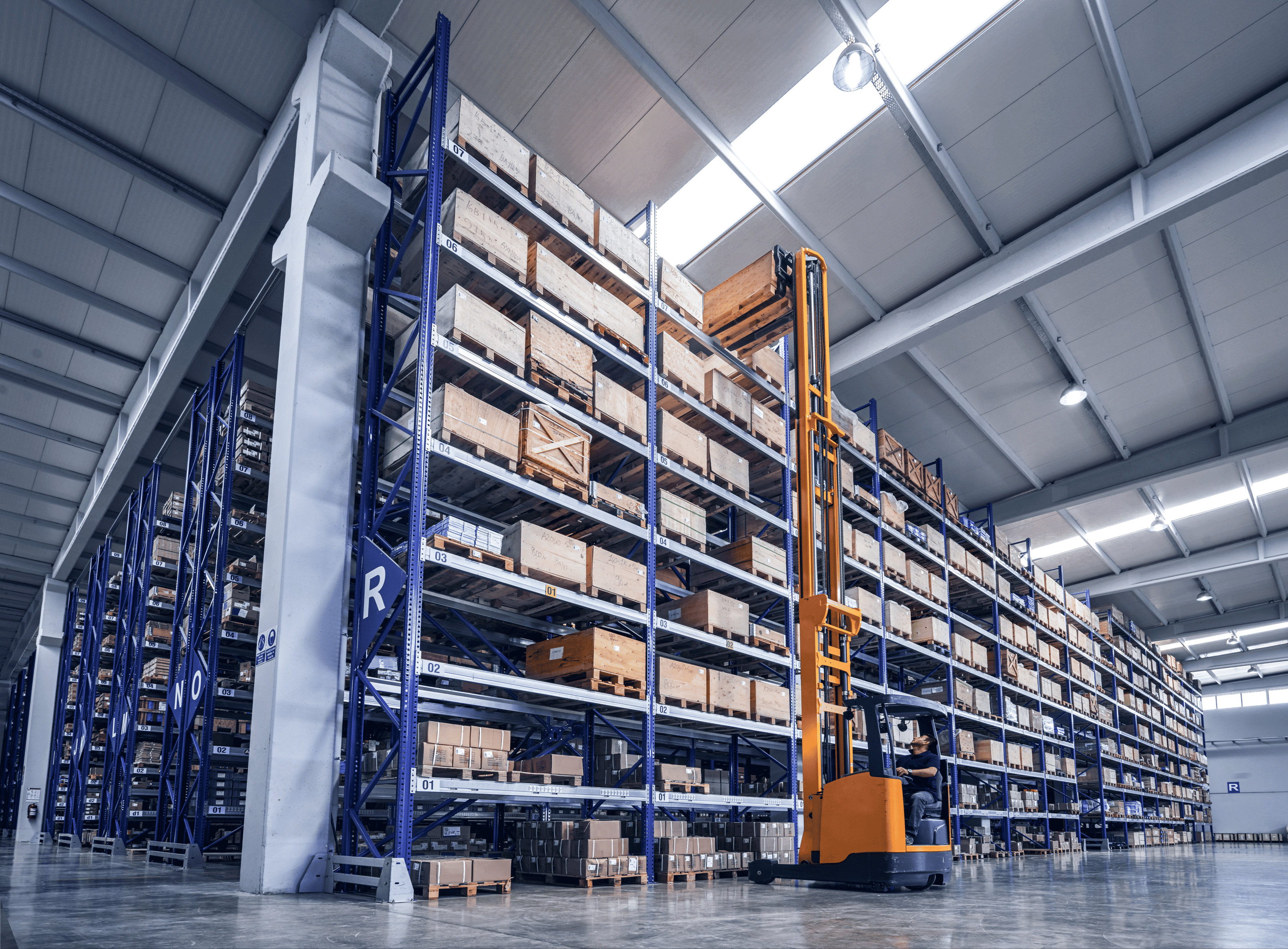
Warehouse networks have evolved significantly over time. Large distribution centers are often operated with SAP EWM, while smaller regional warehouses may still rely on Stock Room Management (SAP StRM), custom-built solutions, or other warehouse platforms.
SAP Logistics Management addresses precisely this gap by extending the SAP portfolio with a modern cloud-based solution for standardized warehouse and logistics operations.
The Real Question Is Not: Which Solution Is Better?
In practice, SAP LGM and SAP EWM should not be viewed as direct competitors. Both solutions address different operational requirements.
Key decision criteria include:
- Process complexity
- Degree of warehouse automation
- Integration requirements
- Cloud strategy
- Number and type of warehouse locations
These factors ultimately determine which solution is the most appropriate fit for a specific warehouse environment.
What Is SAP Logistics Management (SAP LGM)?
SAP Logistics Management is a cloud-native logistics solution built on the SAP Business Technology Platform (SAP BTP). The solution focuses on standardized and scalable logistics processes and is particularly well suited for organizations operating regional warehouses, satellite facilities, or cloud-first strategies.
Additional information about capabilities, deployment scenarios, and consulting services can be found on our SAP Logistics Management (SAP LGM) service page.
What Is SAP Extended Warehouse Management (SAP EWM)?
SAP Extended Warehouse Management is SAP’s strategic solution for complex warehouse and intralogistics operations.
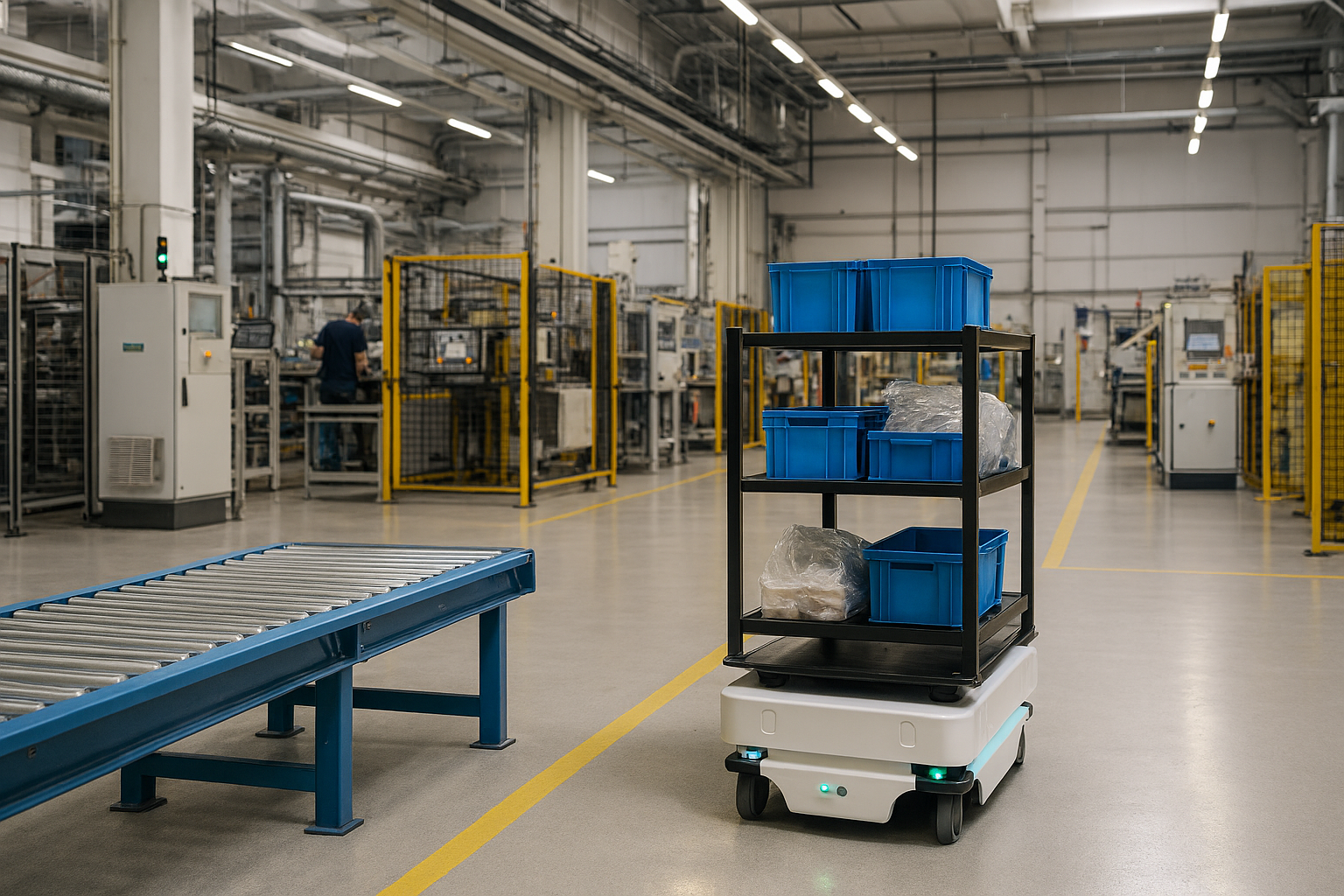
Typical use cases include automated distribution centers, production logistics, material flow control with SAP EWM MFS, conveyor technology integration, and global warehouse networks with advanced operational requirements.
A detailed overview of features, architecture, and implementation options is available on our SAP Extended Warehouse Management (SAP EWM) service page.
Which Warehouse Type Requires Which Solution?
The following classification provides a simplified view of how SAP LGM and SAP EWM can be positioned according to warehouse size, operational complexity, and automation requirements.
The Question Is Not “SAP LGM or SAP EWM”, but Which Solution Fits Which Warehouse Type?
SAP Logistics Management was not developed to replace SAP EWM. Instead, SAP LGM expands the SAP portfolio with an additional option for standardized cloud logistics. Modern logistics strategies increasingly rely on differentiated target architectures, where different warehouse types are operated using different solutions.

Which Warehouses Are Better Suited for SAP LGM – and Which for SAP EWM?
The decision between SAP Logistics Management and SAP Extended Warehouse Management primarily depends on warehouse type, process complexity, and automation requirements. The following comparison highlights typical scenarios where SAP LGM or SAP EWM delivers the greatest value.
The comparison illustrates that SAP LGM and SAP EWM serve different requirements within modern warehouse landscapes. While SAP LGM is primarily designed for standardized cloud-based warehouse operations, SAP EWM remains the preferred solution for complex intralogistics, warehouse automation, and material flow control.
For organizations operating multiple warehouse types, a hybrid target architecture is often the most effective approach, where both solutions are deployed according to specific business needs.
Choosing the right solution therefore depends on warehouse characteristics, process requirements, and automation levels. A more detailed classification can also be found in our article: "Which Companies Are Best Suited for SAP LGM?".
Can SAP LGM and SAP EWM Be Used Together?
Yes. Many organizations operate both solutions within the same SAP landscape.
A common target architecture consists of:
- SAP EWM for central distribution centers, production logistics, or highly automated warehouses
- SAP LGM for regional warehouses, satellite locations, and standardized logistics operations
This approach allows organizations to align warehouse technology with operational requirements while combining standardization and functional depth where appropriate.
Companies operating multiple warehouse locations frequently adopt this hybrid architecture to leverage the strengths of both solutions.
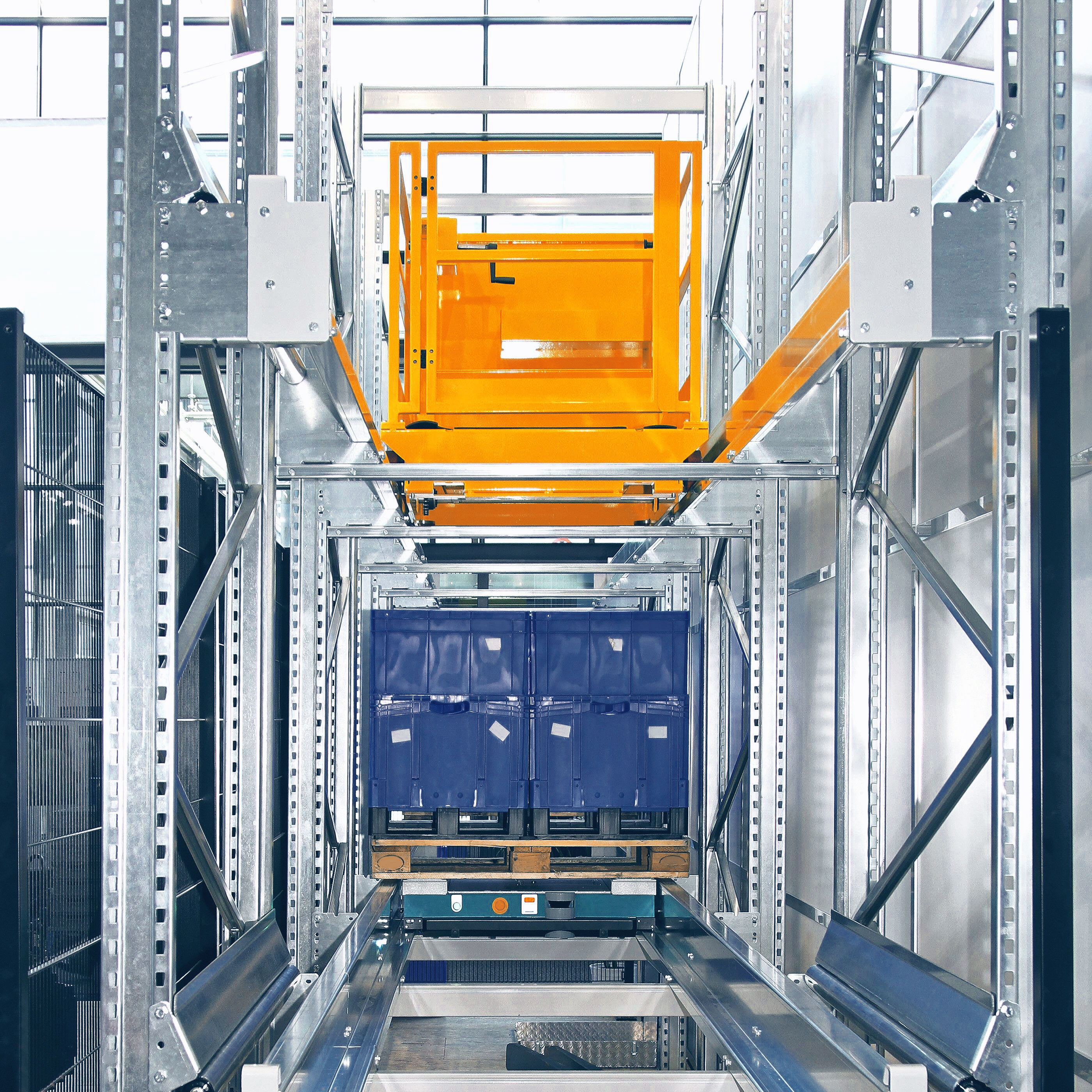
Particularly in highly automated warehouse environments with conveyor systems, shuttle systems, automated small-parts warehouses, or material flow control using SAP EWM MFS, warehouse automation integration plays a critical role.
Further information on SAP EWM MFS, robotics integration, and automated intralogistics can be found on our SAP Warehouse Automation service page.
The Best Solution Is Not the Goal – The Right Solution Is
SAP Logistics Management and SAP Extended Warehouse Management pursue different objectives within modern warehouse landscapes.
While SAP LGM is designed for standardized, cloud-based warehouse operations, SAP EWM remains the strategic choice for complex intralogistics processes, advanced automation, and material flow control.
The key question is therefore not which solution is generally superior. The critical factor is identifying the solution that best aligns with warehouse characteristics, operational requirements, and long-term transformation goals.
Frequently asked questions about SAP LGM and SAP EWM
Choosing between SAP Logistics Management (SAP LGM) and SAP Extended Warehouse Management (SAP EWM) is becoming an increasingly important topic within SAP S/4HANA transformation programs. The following questions and answers provide guidance on key differences, use cases, and decision criteria.
The key difference lies in the intended use case. SAP Logistics Management (SAP LGM) was developed for standardized, cloud-based warehouse and logistics processes. SAP Extended Warehouse Management (SAP EWM), on the other hand, is designed for complex warehouse operations, production logistics, warehouse automation, and material flow control.
No. SAP LGM was not designed to replace SAP EWM. Both solutions pursue different objectives within the SAP portfolio. SAP LGM complements the portfolio with a cloud-native option for standardized warehouse operations, while SAP EWM remains SAP’s strategic solution for complex warehouse and intralogistics environments.
SAP LGM is particularly suitable for regional warehouses, satellite facilities, standardized distribution operations, spare-parts logistics, and organizations pursuing a cloud-first strategy. The solution delivers the greatest value in environments with low to medium process complexity and standardized processes.
SAP EWM is the preferred choice whenever warehouse processes are highly automated, highly customized, or operationally complex. Typical examples include automated distribution centers, conveyor systems, shuttle systems, automated storage and retrieval systems (ASRS), production logistics, and material flow control using SAP EWM MFS.
Yes. Many organizations operate both solutions within the same SAP landscape. A common approach is to use SAP EWM for central distribution centers or highly automated warehouses, while SAP LGM is deployed at regional warehouse locations with standardized logistics processes. This enables hybrid warehouse architectures that combine functional depth with operational standardization.
For highly automated warehouse environments involving conveyor technology, automated storage systems, shuttle systems, or advanced material flow control, SAP EWM is generally the better fit. SAP LGM was primarily developed for standardized warehouse operations with low to medium complexity.
SAP LGM is built on the SAP Business Technology Platform (SAP BTP). The platform provides integration, extension, and cloud services while enabling side-by-side extensions and connectivity between SAP and non-SAP systems.
Neither solution is inherently better. The right choice depends on the specific requirements of each warehouse location. Factors such as process complexity, automation level, integration requirements, cloud strategy, and long-term business objectives all play a role. SAP LGM is well suited for standardized, cloud-based warehouse operations, while SAP EWM is designed for complex warehouse processes, automation, and material flow control. The goal should not be to select the most powerful solution, but the one that best fits the operational requirements.
Depending on the requirements, SAP LGM can serve as a modern target architecture for selected warehouse locations. Whether SAP LGM, SAP EWM, or SAP Stock Room Management is the most suitable successor solution depends on the individual processes, system landscape, and future logistics strategy.
The most effective approach is a structured warehouse assessment. Factors such as warehouse size, process complexity, automation level, integration requirements, cloud readiness, and future growth plans should be evaluated. Based on this analysis, a scalable target architecture can be defined using SAP LGM, SAP EWM, or a combination of both solutions.
SAP Insights
Discover the latest analyses, articles, and insights on SAP, supply chain, and business transformation. Practical knowledge – directly from our consultants for your business.
SAP WM Successor: Is SAP Logistics Management (SAP LGM) the Right Choice?
Which Companies Are a Good Fit for SAP LGM?

Pick-by-Light for Production Supply and Kanban Logistics









Do you have a challenge
you want to tackle?
Talk to us - together we will design the right solution.