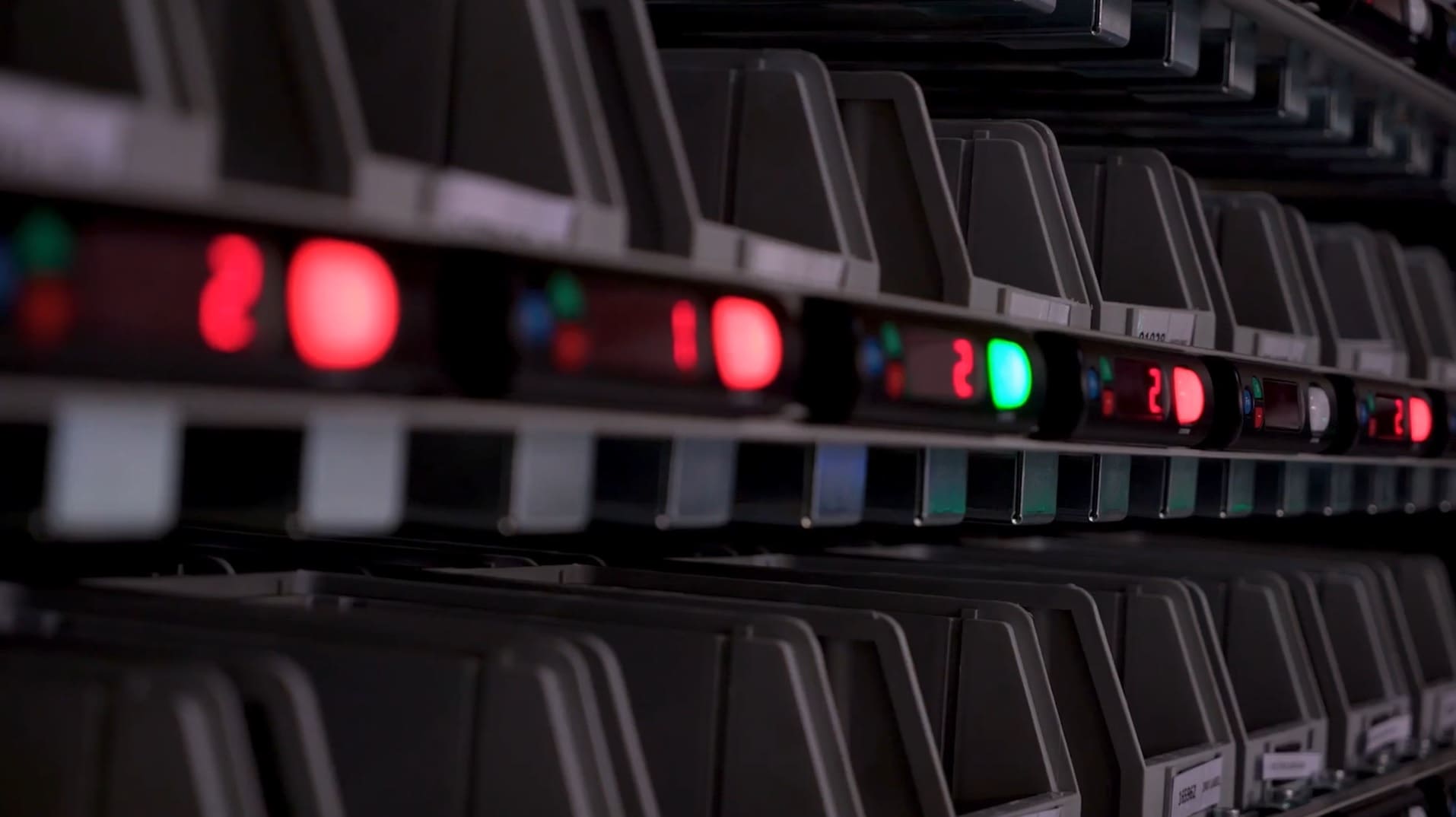
Key Takeaways on SAP EWM Pick-by-Light Integration
The successful implementation of a Pick-by-Light solution depends on more than the hardware itself. A well-designed integration architecture, clearly defined responsibilities between SAP EWM and the Pick-by-Light system, and consistent process logic across the entire warehouse operation are equally important.

SAP EWM Remains the Leading System
SAP EWM centrally manages warehouse tasks, inventory, and process confirmations. The Pick-by-Light system supports operational execution directly at the storage location.
Direct Integration Reduces Complexity
A direct connection between SAP EWM and the Pick-by-Light system reduces additional systems, simplifies operations, and improves warehouse process transparency.
Architecture Determines Project Success
The value of a Pick-by-Light solution is not determined by hardware alone. Integration into SAP EWM, warehouse processes, and the existing system landscape is critical.
Why Integration Matters More Than Hardware
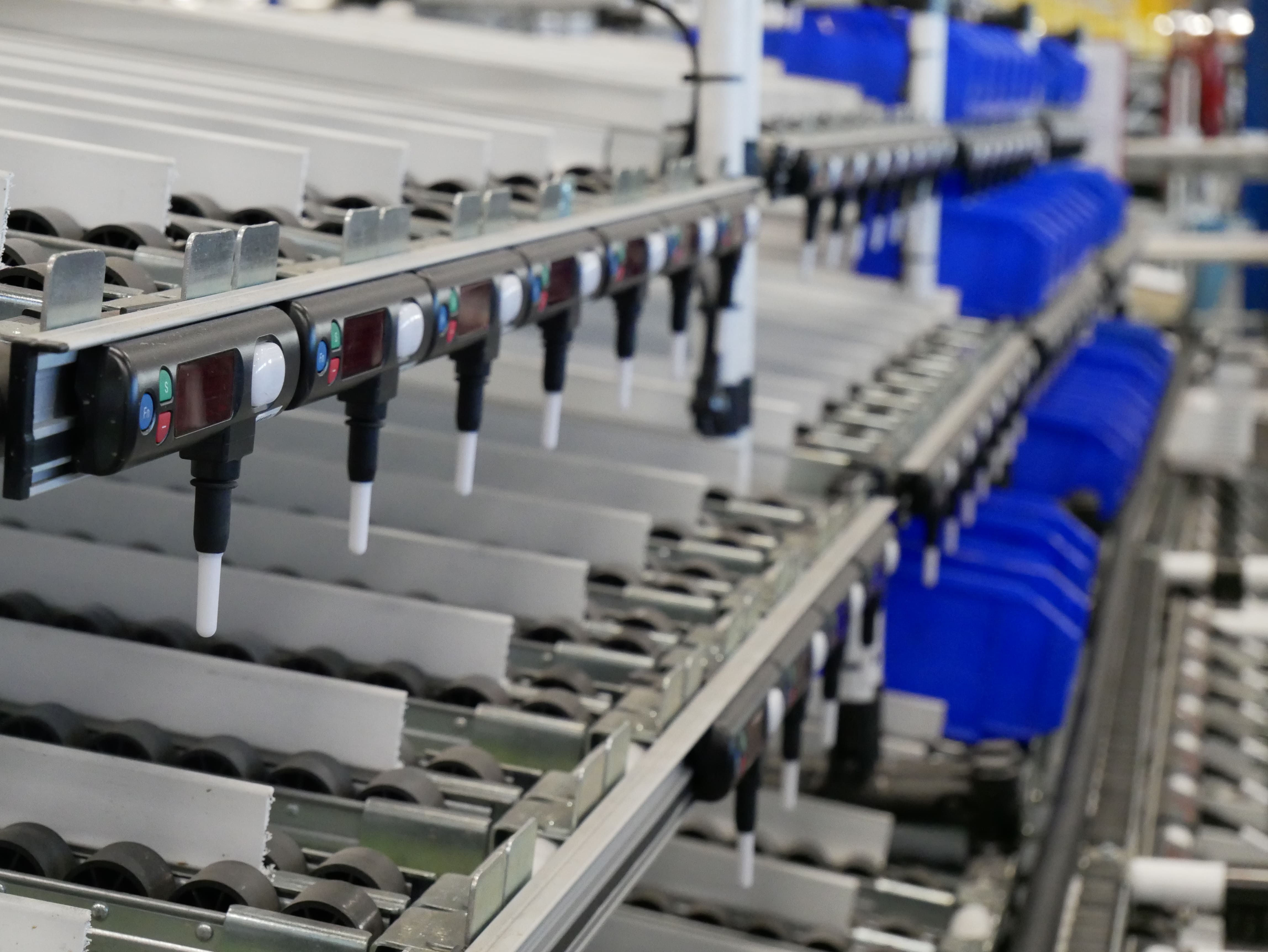
Pick-by-Light has been one of the most established technologies for supporting manual picking processes in warehouse and production environments for many years. Light modules at storage locations visually guide operators through the picking process and support fast, intuitive, and accurate material withdrawals.
However, the success of a Pick-by-Light project is not determined by the hardware alone. Modern warehouse processes involve inventory management, warehouse tasks, resource management, and additional logistics processes working together seamlessly. This is where integration with SAP Extended Warehouse Management (SAP EWM) becomes essential.
SAP EWM assumes the role of the leading system for warehouse tasks, inventory management, and process confirmations. The Pick-by-Light system complements these processes by providing operational user guidance directly at the storage location. Only the combination of both systems creates the foundation for transparent, scalable, and maintainable warehouse operations.
Companies introducing or modernizing Pick-by-Light solutions should therefore not focus exclusively on hardware selection. Integration architecture, interfaces, process logic, and long-term scalability are equally important considerations.
The Greatest Value Comes from Integration
Companies often invest significant effort in selecting the right Pick-by-Light hardware. However, long-term project success depends on how effectively the solution is integrated into SAP EWM, warehouse processes, and the existing IT landscape.
An end-to-end process architecture reduces complexity, improves transparency, and creates the foundation for stable and scalable warehouse operations.

What Role Does SAP EWM Play?
Throughout the entire process, SAP EWM remains the leading system. Warehouse tasks are created, prioritized, and monitored within SAP EWM. The system centrally manages inventory, resources, process statuses, and confirmations to ensure that all warehouse movements remain transparent and traceable.
The Pick-by-Light system, on the other hand, provides operational user guidance directly at the storage location. Operators receive visual picking instructions and confirm picks using the light module. These confirmations are subsequently transferred back to SAP EWM and update process execution status.
Additional information on typical use cases, benefits, and implementation approaches can be found on our SAP EWM Pick-by-Light solution page.
Typical Architecture of an SAP EWM Pick-by-Light Solution
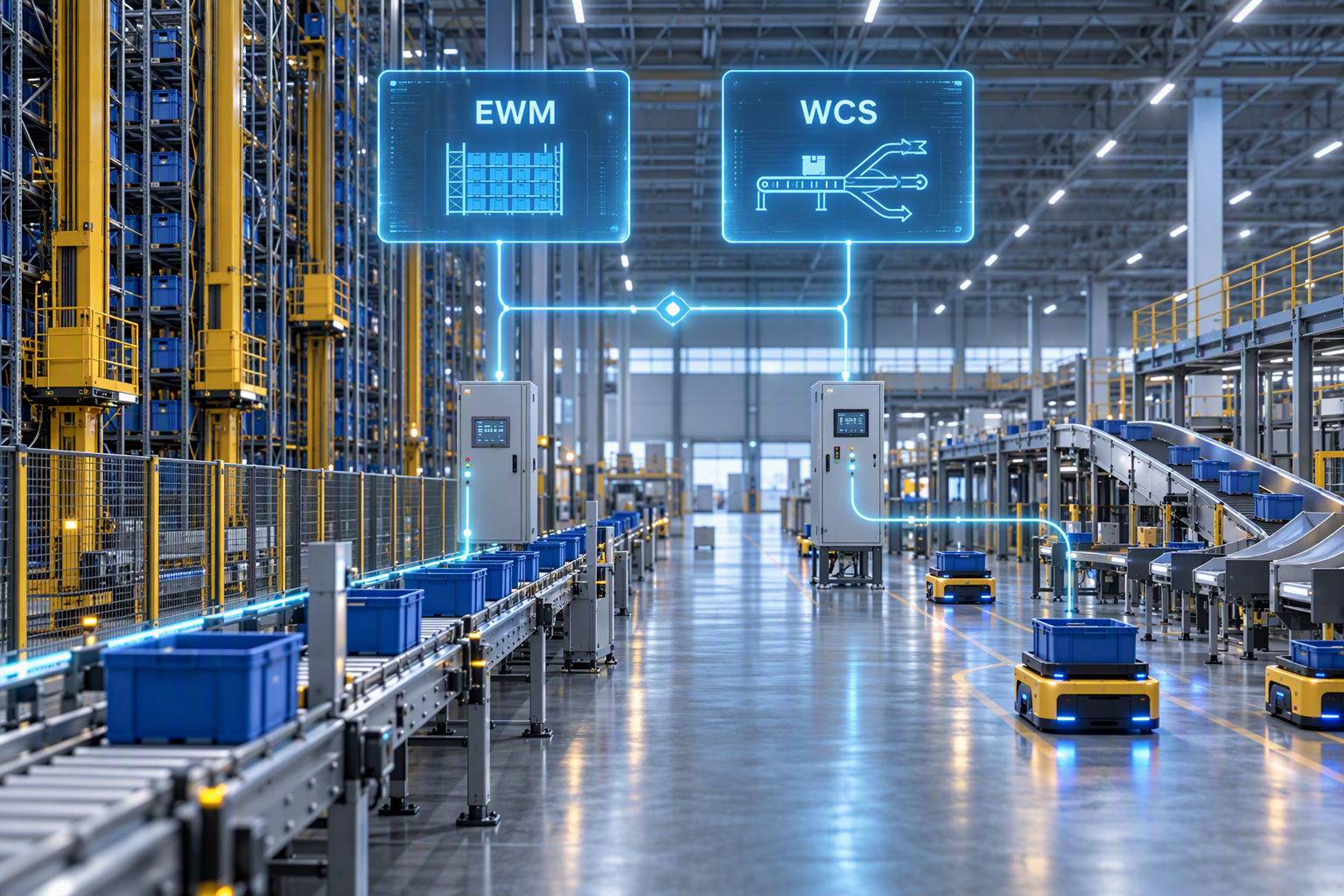
A typical integration architecture usually consists of three layers:

SAP EWM
SAP EWM manages warehouse tasks, inventory, and confirmations and acts as the central process platform.
Pick-by-Light Controller
The controller manages communication between SAP EWM and connected devices. It distributes signals to the individual light modules and processes confirmations from warehouse operations.
Pick-by-Light Modules
The light modules support the picking process directly at the storage location and provide status as well as confirmation information back to the leading system.
Direct Integration or Middleware?
One of the central questions in many projects is whether additional middleware is required or whether direct integration is the better approach.
Direct integration often offers significant advantages in terms of transparency, maintenance effort, and system complexity. Fewer systems involved typically result in simpler operating processes, shorter communication paths, and better traceability of data flows.
Whether middleware is required depends on the hardware being used, existing IT standards, and the individual requirements of the warehouse environment. The decision should therefore always be made within the context of the overall solution architecture.
Read more in our article: “Middleware or Direct SAP EWM Integration for Pick-by-Light?”
Best Practices for Successful Implementation Projects
Focus on Processes First
Technology should not be the starting point of an implementation project. Companies should first analyze which picking areas actually benefit from light-guided user assistance and what requirements must be met regarding speed, error prevention, and transparency.
A successful Pick-by-Light project therefore typically starts with a detailed process analysis rather than with hardware selection.
Establish SAP EWM as the Leading System
SAP EWM should assume the role of the leading system throughout the entire process landscape. Warehouse tasks, inventory management, process logic, and confirmations are managed centrally within SAP EWM.
This creates clear responsibilities within the system landscape, increases transparency, and makes future enhancements significantly easier to implement.
Further information on typical use cases, benefits, and implementation services can be found on our SAP EWM Pick-by-Light Solution Page.
Define the Architecture Early
The integration architecture should be defined already during the solution design phase. Decisions regarding interfaces, communication paths, and system responsibilities have a significant impact on future operations.
Issues that are only addressed shortly before go-live unnecessarily increase project complexity and create risks for additional adjustments during implementation.
If you would like to explore the advantages and disadvantages of different integration approaches in greater detail, we recommend our expert article “Middleware or Direct SAP EWM Integration for Pick-by-Light?”
Consider Scalability
Many organizations initially start with individual Pick-by-Light zones or selected warehouse areas. However, the architecture should be designed from the beginning to accommodate future expansions without major effort.
A scalable solution supports additional warehouse areas, new processes, and future business growth without requiring fundamental architectural decisions to be revisited.
Choosing the right picking technology also plays an important role. A detailed comparison can be found in the article “Pick-by-Light or Pick-by-Voice – Which Technology Fits Your Warehouse?”
Don't Forget Monitoring
A modern Pick-by-Light solution does not end with a successful go-live. Continuous monitoring of status messages, error conditions, and process confirmations is equally important.
Transparent monitoring supports daily operations, simplifies root-cause analysis, and provides the foundation for continuous optimization of warehouse processes.
Practical examples from production supply, material provisioning, and Kanban processes can also be found in the article “Pick-by-Light in Production Supply and Kanban Logistics.”
Successful Pick-by-Light Projects Start with the Right Integration Strategy
Pick-by-Light remains one of the most proven technologies for supporting manual picking processes. Long-term value, however, is not created by the light modules themselves, but by their integration into broader warehouse and logistics processes.
SAP EWM plays the central role as the leading system for warehouse tasks, inventory management, and process confirmations. Only through seamless integration between SAP EWM and Pick-by-Light can organizations establish an end-to-end process landscape that supports transparency, scalability, and long-term maintainability.
Questions regarding integration architecture, interfaces, system responsibilities, and future expansion opportunities often have a far greater impact on project success than hardware selection alone.
Organizations that view Pick-by-Light as an integral part of a holistic SAP EWM strategy create the foundation for stable, efficient, and future-ready warehouse operations.
Frequently Asked Questions About Pick-by-Light Integration with SAP EWM
Would you like to learn more about integrating Pick-by-Light with SAP EWM? Below you will find answers to the most important questions regarding architecture, interfaces, integration models, and common use cases.
Yes. Pick-by-Light systems can generally be connected directly to SAP EWM. SAP EWM manages warehouse tasks, inventory, and process confirmations, while the Pick-by-Light system provides operational user guidance at the storage location.
No. Depending on the hardware, integration requirements, and system landscape, direct integration without additional middleware can often be both feasible and beneficial.
Direct integration reduces system complexity, improves data transparency, and can lower both operating and maintenance costs.
Typical use cases include production supply, spare parts logistics, container storage areas, eCommerce fulfillment, and high-frequency picking zones.
Yes. Pick-by-Light can be part of a broader SAP EWM and warehouse automation architecture and can be used together with additional subsystems.