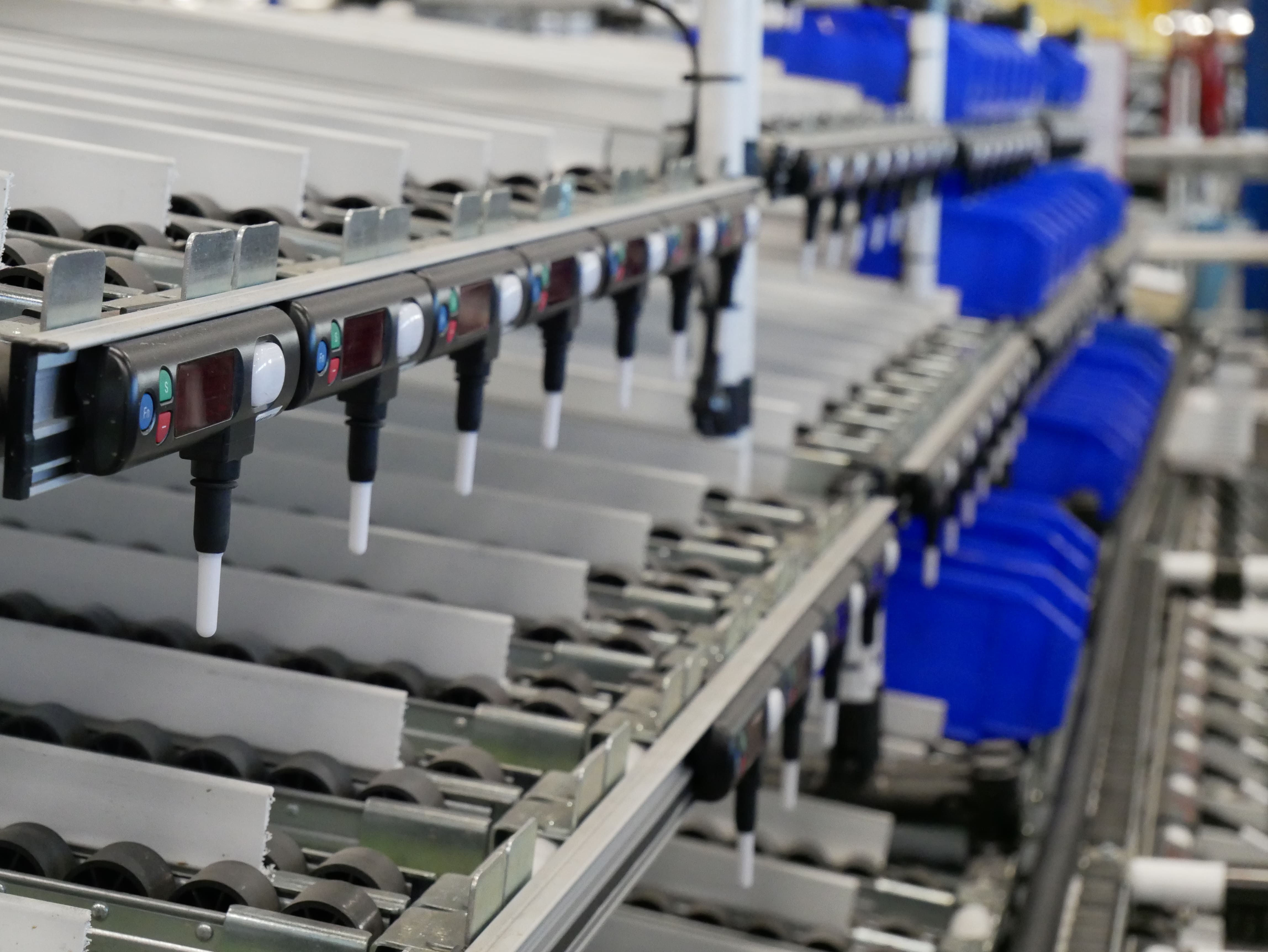
Key Takeaways on Pick-by-Light Integration
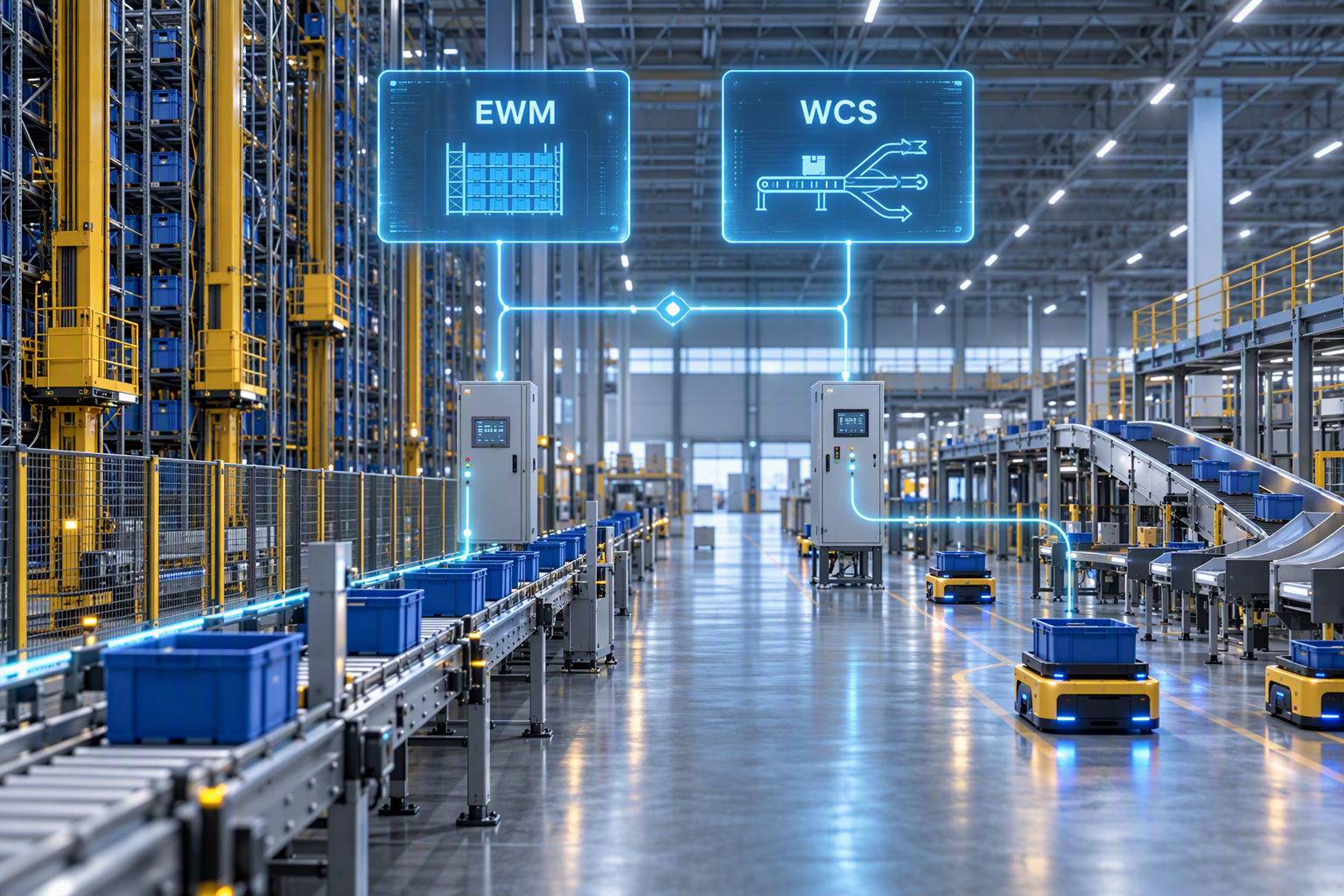
When integrating Pick-by-Light with SAP EWM, companies are often faced with an important question: Is direct integration with SAP EWM sufficient, or is additional middleware required? The right decision depends on architecture, processes, and long-term business requirements.

Direct Integration Reduces Complexity
Fewer systems often mean lower maintenance effort, shorter communication paths, and greater process transparency.
Middleware Is Not Always Required
Modern Pick-by-Light solutions can often be integrated directly with SAP EWM without introducing additional software layers.
The Architecture Must Fit the Warehouse Environment
Not every integration architecture is suitable for every warehouse operation. Processes, system landscape, and future strategy are key factors.
Direct Integration or Middleware: Why This Question Comes Up So Often
When introducing or modernizing a Pick-by-Light solution, many projects face the same question: Should communication between SAP EWM and the Pick-by-Light components be handled directly, or is additional middleware required?
Historically, many warehouse environments relied on middleware platforms to connect SAP systems with external devices and subsystems. These solutions often acted as central integration layers between SAP and operational equipment.
However, modern SAP EWM environments and integration approaches have evolved considerably. Many Pick-by-Light solutions can now be integrated directly with SAP EWM. This can reduce communication paths and eliminate unnecessary software layers.
The decision should therefore not be based solely on technical preferences. Process requirements, existing system landscapes, future expansion plans, and operational requirements must also be considered.
For a general introduction to Pick-by-Light integration with SAP EWM, see our article:
“SAP EWM Pick-by-Light Integration: Architecture, Interfaces, and Best Practices”
Fewer Systems Often Lead to More Stable Processes
Every additional software component increases the complexity of the system landscape. A direct integration between SAP EWM and a Pick-by-Light system can improve process transparency, reduce maintenance effort, and simplify system operations.
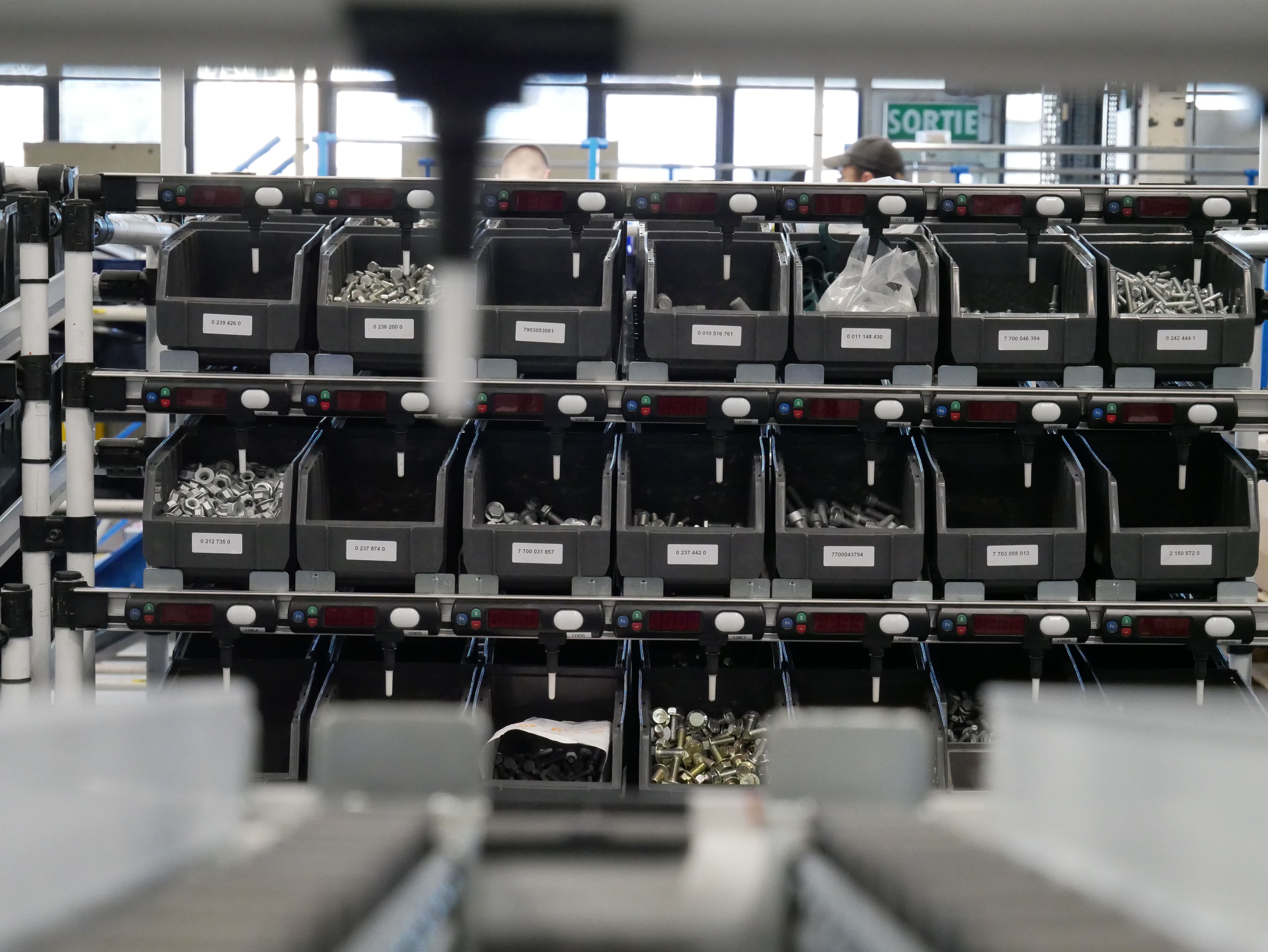
Benefits of Direct Integration with SAP EWM
When Middleware Can Still Make Sense
Despite the advantages of direct integration, there are scenarios in which middleware remains a valuable option. Examples include:
Direct Integration and Middleware Compared
The right integration architecture depends on the specific requirements of the warehouse operation. The following comparison matrix highlights how direct SAP EWM integration and a middleware-based approach differ across typical evaluation criteria.
Best Practices for Integration Architecture Decisions
Analyze Processes
The integration architecture should support the business processes, not the other way around.
Define the Target Architecture
The long-term system strategy should be established before selecting an integration approach.
Establish SAP EWM as the Leading System
Inventory management, warehouse tasks, and process status information should remain centrally managed within SAP EWM.
For additional information on use cases, benefits, and implementation approaches, visit our
SAP EWM Pick-by-Light solution page.
Consider Future Growth
Future warehouse expansions and additional operational requirements should already be taken into account during the architecture design phase.
The integration architecture should therefore always be assessed in the context of the overall warehouse and automation strategy.
Take a Holistic View of Technology Selection
The integration architecture is only one aspect of a successful Pick-by-Light implementation. Equally important is selecting the picking technology that best fits the requirements of the warehouse operation.
For a detailed comparison, see our related article:
“Pick-by-Light or Pick-by-Voice: Which Technology Fits Your Warehouse?”
Consider Real-World Operational Scenarios
Production supply, material provisioning, and Kanban processes often require different integration and real-time communication strategies.
Practical examples can be found in our related article:
The Right Integration Architecture Depends on Your Requirements
Direct SAP EWM integration provides significant advantages in many scenarios in terms of transparency, maintainability, and system complexity. However, there are still situations in which middleware can be the better choice.
The key question is therefore not whether one architecture is universally superior, but which approach best supports the requirements of the specific warehouse environment. Companies should base the decision on their processes, systems, and long-term target architecture.
Organizations that evaluate integration architecture, process requirements, and future expansion plans holistically create the foundation for stable and future-ready warehouse operations.
Frequently Asked Questions About SAP EWM Integration and Middleware
Direct SAP EWM integration or middleware? The following FAQs answer the most important questions about integration architectures, system landscapes, and best practices for Pick-by-Light solutions.
No. Modern Pick-by-Light solutions can often be connected directly to SAP EWM.
Lower system complexity, greater transparency, and reduced maintenance effort.
Particularly in heterogeneous system environments, scenarios involving multiple subsystems, or projects with specialized integration requirements.
Not necessarily. The architecture should always be aligned with specific business requirements and the long-term target architecture.
Yes. Even in middleware-based scenarios, SAP EWM can remain the leading system for warehouse processes and inventory management.