Maintenance Logistics with SAP EWM: Spare Parts at the Right Place at the Right Time
Machines, technical equipment, and industrial assets require regular maintenance. To support maintenance teams effectively, spare parts and components must be available quickly and reliably. SAP Extended Warehouse Management (SAP EWM) integrates warehouse processes seamlessly with SAP Enterprise Asset Management (SAP EAM), enabling automated provisioning, full transparency, and stable maintenance operations.

Overview: Maintenance Logistics with SAP EWM
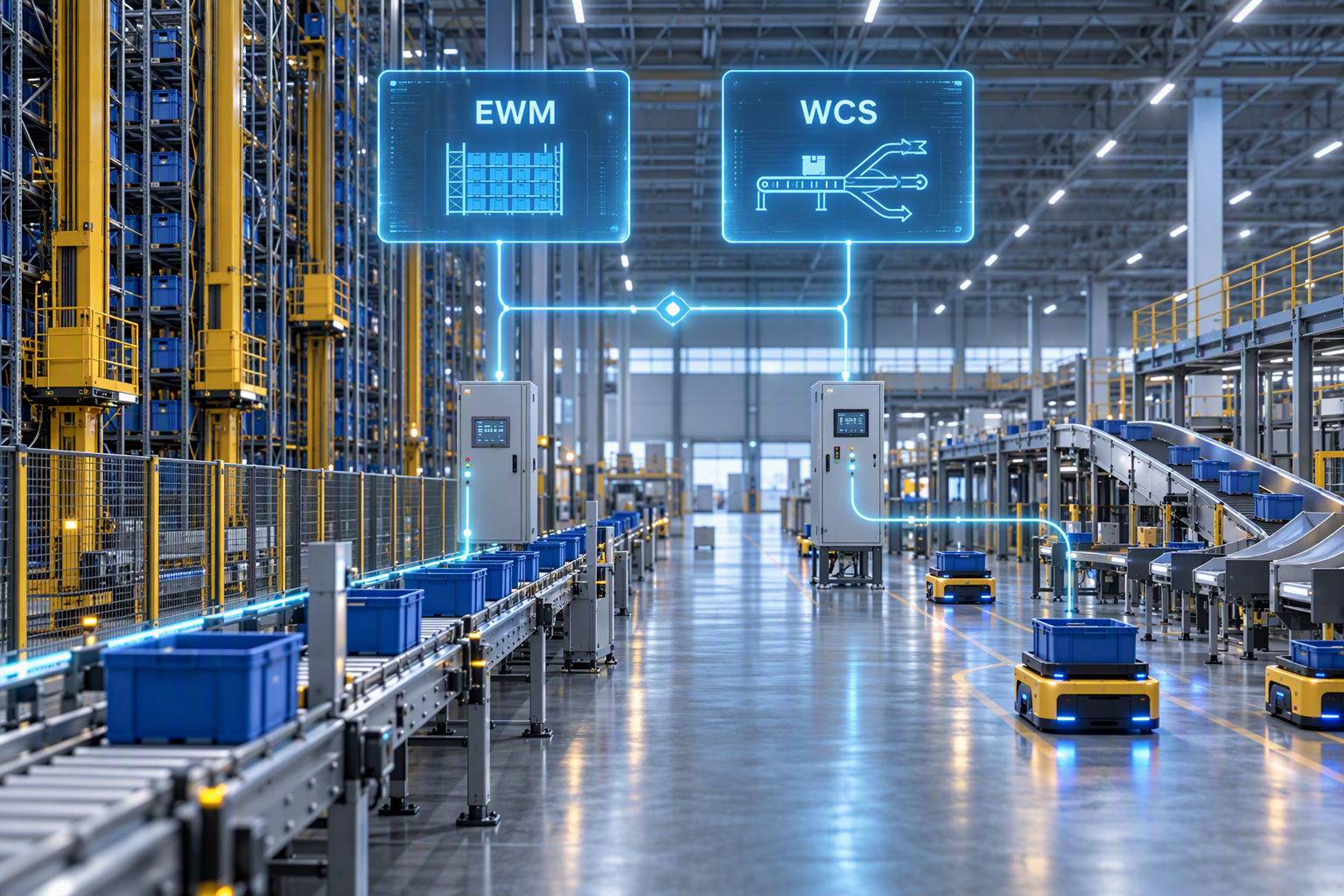
Maintenance logistics directly links maintenance processes with warehouse management. Especially when dealing with spare parts and maintenance components, transparency and process reliability are critical. SAP Extended Warehouse Management (SAP EWM) provides bin‑level inventory control and integrates seamlessly with SAP Enterprise Asset Management (SAP EAM) and SAP Plant Maintenance (SAP PM).
Using SAP EWM in Maintenance Logistics
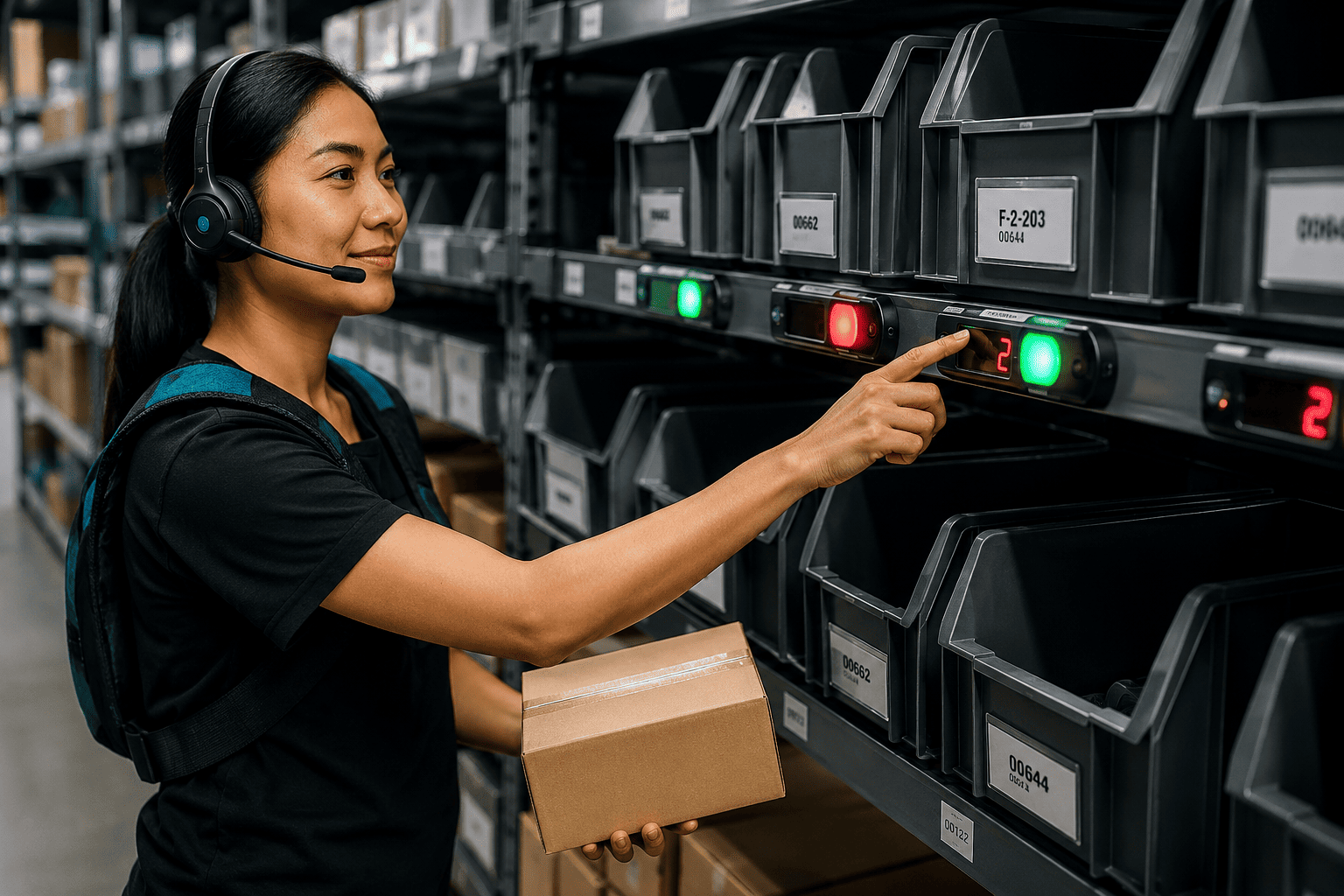
SAP EWM optimizes warehouse processes for maintenance and service orders – from picking to material staging. Typical scenarios include direct pick‑up by service technicians, provision at machines or workstations, and shipping to external repair or service locations. Customer‑owned stock can also be handled in an integrated manner.
System Integration as a Key Success Factor
The integration of SAP EWM and SAP PM ensures end‑to‑end processes and complete inventory transparency. Functions such as the Recipient Location enable targeted material provisioning, supporting both planned and unplanned maintenance scenarios efficiently and reliably.
Maintenance Starts in the Warehouse
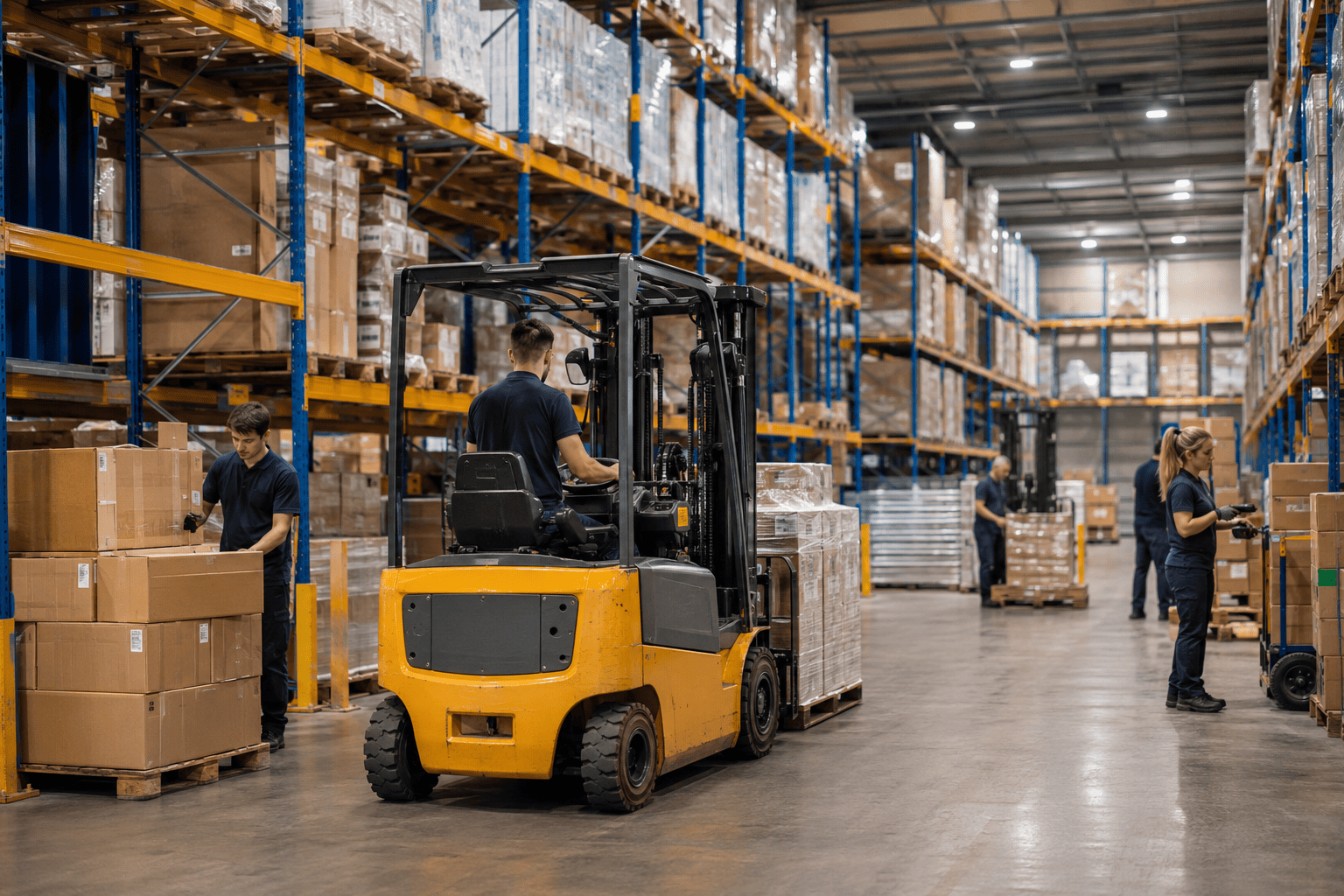
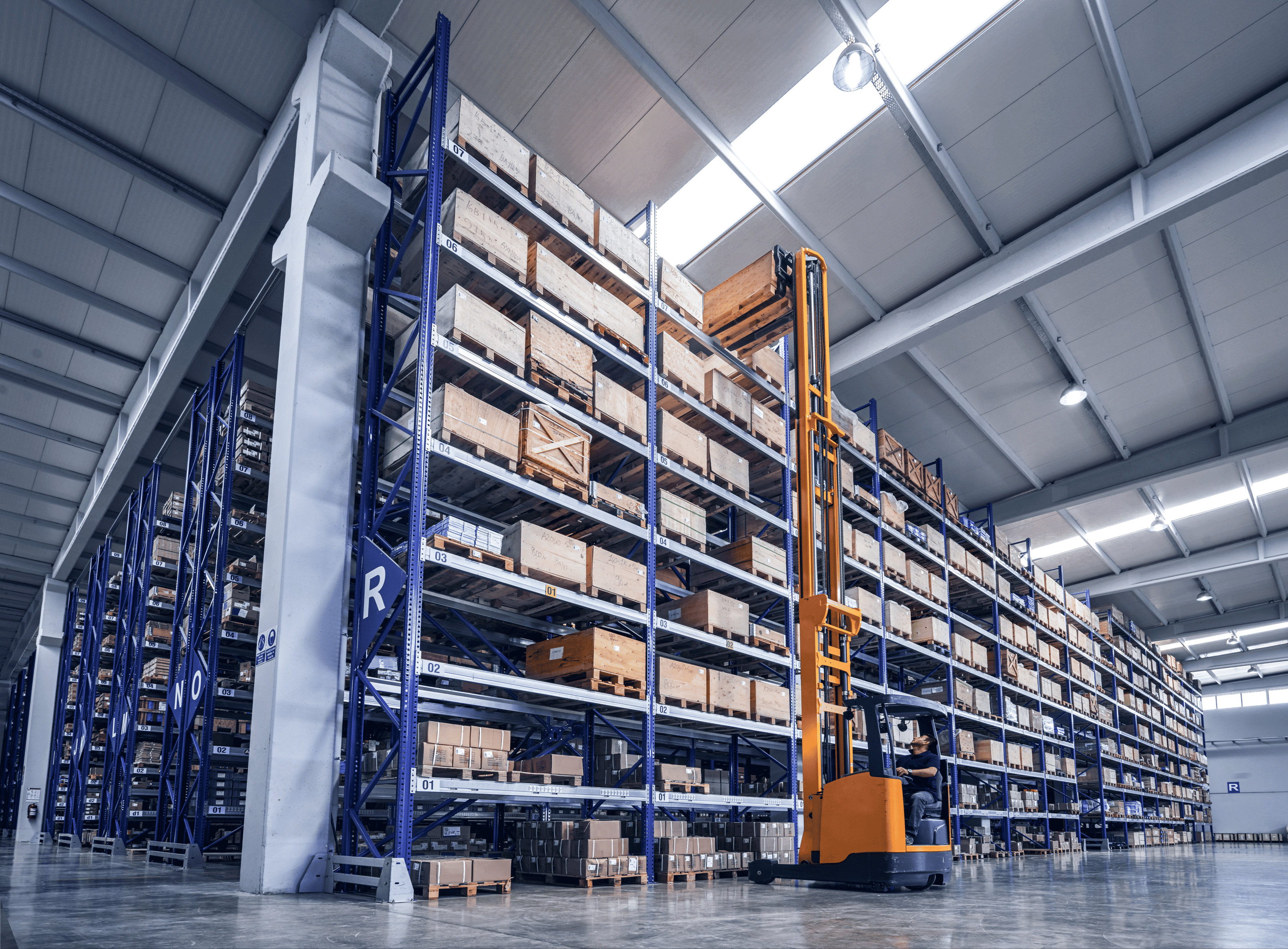
Maintenance does not take place in a vacuum – it starts in the warehouse. Whether forklifts, conveyor systems, or permanently installed production equipment: every maintenance activity requires spare parts, assemblies, or tools. Without reliable maintenance logistics, maintenance processes quickly come to a standstill.
Many companies operate dedicated spare‑parts warehouses for maintenance or supply maintenance teams from central warehouses. In both cases, the absence of integrated processes between warehouse and maintenance leads to delays, lack of transparency, and unnecessary costs – especially in unplanned maintenance situations.
A modern warehouse management solution such as SAP Extended Warehouse Management (SAP EWM) provides the basis for structured, automated, and fully transparent processes, particularly when combined with SAP Enterprise Asset Management (SAP EAM).
SAP EAM as the Foundation for Efficient Maintenance
Maintenance Orders as the Central Control Element
SAP Enterprise Asset Management (SAP EAM) supports companies in operating technical assets efficiently throughout their entire lifecycle. The goal is to reduce downtime, make maintenance activities predictable, and keep spare‑part and repair costs under control.
A core component of SAP EAM is SAP Plant Maintenance (SAP PM). This is where technical objects are structured, maintenance strategies are defined, and maintenance activities are planned – ranging from regular inspections to condition‑ or data‑based maintenance.
Operational execution is managed via maintenance orders. These orders consolidate all relevant information:
- required maintenance activities
- necessary spare parts
- time and location of the maintenance work
- expected costs
Maintenance orders also form the basis for documentation, traceability, and reporting.
Why SAP EWM Is Essential for Maintenance Logistics
As soon as spare parts and maintenance components are stocked in a warehouse, warehouse logistics becomes a critical success factor. Maintenance environments pose particular challenges: unplanned requirements, time‑critical processes, high‑value materials, and serial or batch management requirements.
SAP EWM addresses these challenges with precise, bin‑level inventory control and ensures that spare parts are available exactly when needed – without excess stock or duplicate inventory.
Full Transparency of Maintenance Inventory
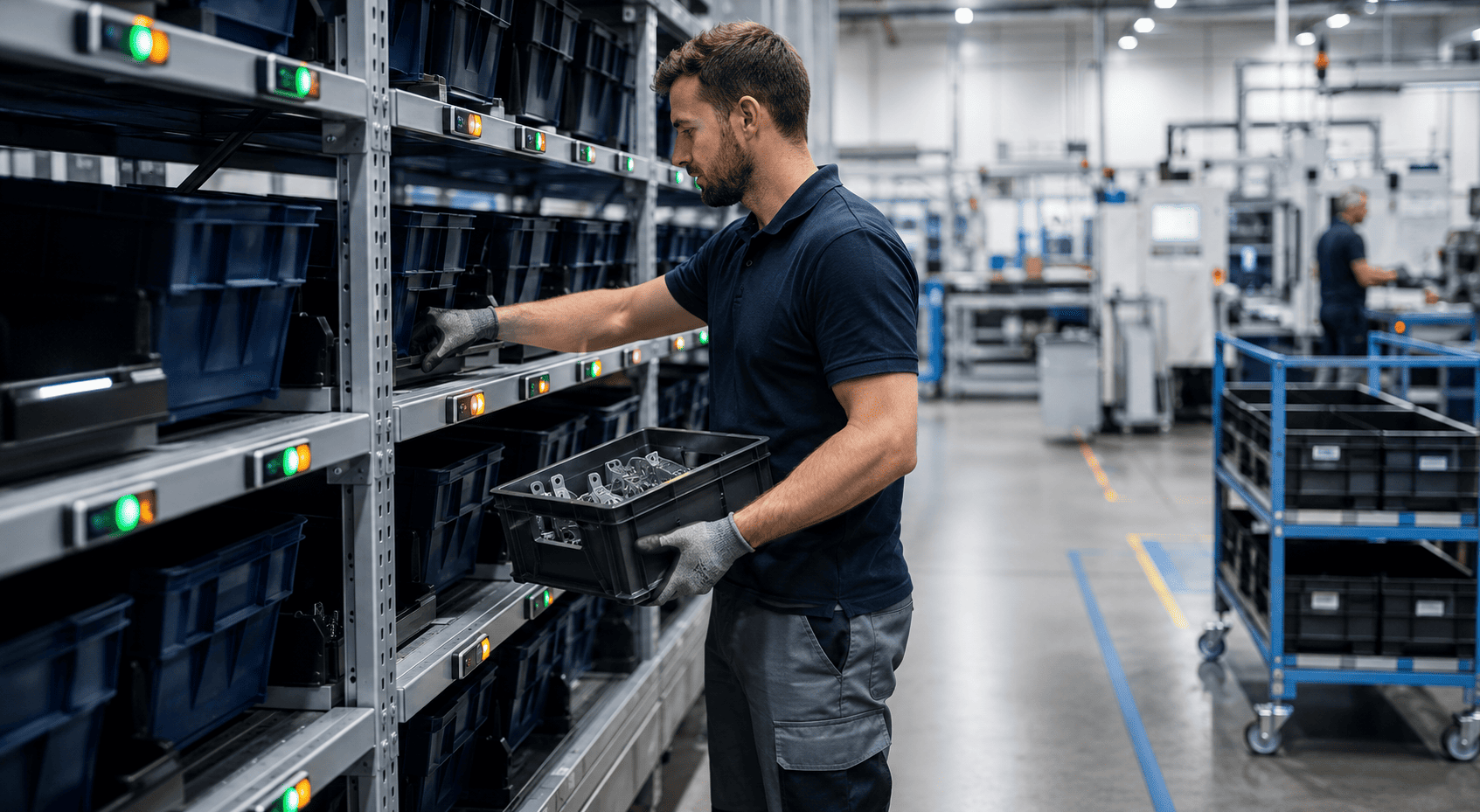
SAP EWM provides detailed inventory management – at storage bin level, by batch, by serial number, or by handling unit. This is especially important for:
- critical spare parts
- high‑value components
- safety‑relevant assemblies
All inventory movements are fully traceable, which is a key advantage during repairs, replacements, or audits.
Key Facts – Maintenance Logistics with SAP EWM
- Maintenance logistics requires integrated warehouse processes
- SAP EWM seamlessly connects warehousing and maintenance
- SAP EAM manages maintenance throughout the entire asset lifecycle
- Maintenance orders automatically trigger warehouse processes
- 100% inventory transparency for spare parts
- Flexible provisioning for planned and unplanned maintenance
- Recipient Location controls the optimal staging destination
- Reduced downtime through improved spare‑part availability
Integration of SAP PM and SAP EWM in Practice
Automated Warehouse Processes Triggered by Maintenance Orders
Materials required for maintenance orders are either assigned manually or derived automatically from task lists. SAP PM creates reservations for these components.
If the material is stored in an EWM‑managed warehouse, an outbound delivery order is generated automatically and transferred to SAP EWM. There, dedicated document types and control logic designed specifically for maintenance scenarios are used.
This enables tailored warehouse processes that differ significantly from standard shipping or production supply scenarios.
Typical scenarios include:
- direct pick‑up by service technicians
- staging at machines or technical assets
- transport to defined work centers
- shipping to external repair or service locations
Recipient Location: Targeted Provisioning Instead of Standard Scenarios
To cleanly map the wide variety of maintenance scenarios, the Recipient Location object was introduced in the integration between SAP EAM and SAP EWM.
The Recipient Location defines the exact target location for material provisioning – comparable to a production supply area, but specifically designed for maintenance processes. It is defined at plant level and assigned to the components of a maintenance order.
Based on this information, SAP EWM can:
- determine the appropriate staging area
- control targeted staging processes
- flexibly support different maintenance scenarios
Provisioning can be triggered automatically or manually. Serial number or batch selection is carried out in the warehouse – either via removal strategies or manually by warehouse personnel. Duplicate provisioning is prevented by the system.
All standard EWM functions such as wave management, picking tasks, packing, and staging are fully available. Goods issue postings directly book material consumption to the maintenance order.
Handling Customer‑Owned Stock in Maintenance
One often overlooked maintenance scenario involves customer‑owned stock. In this case, customers provide their own components for maintenance or repair, which are physically stored at the service provider’s warehouse but remain customer property.
SAP EWM supports this scenario natively via stock usage type B (customer‑owned stock). The components are managed as non‑valuated stock and seamlessly integrated into warehouse and maintenance processes.
Typical industries include:
- aviation
- energy generation
- heavy machinery and plant engineering
Conclusion: Maintenance Logistics as a Competitive Advantage
An efficient maintenance organization does not end with the maintenance order – it starts in the warehouse. The combination of SAP EAM and SAP EWM connects technical planning with operational logistics and enables fully integrated and transparent processes.
Companies benefit from:
- faster spare‑part availability
- reduced downtime
- higher process reliability
- full traceability
- avoidance of duplicate stock
In short: maintenance logistics evolves from a bottleneck into a competitive advantage.
FAQs
Common questions about integrated maintenance logistics with SAP EWM and SAP EAM — answered concisely.
Maintenance processes are only efficient if spare parts are available quickly and reliably. Integration ensures transparency, reduces downtime, and automates the workflow between maintenance orders and warehouse operations.
SAP EWM manages spare parts with bin‑level, batch‑ and serial‑number accuracy and ensures structured staging for maintenance orders.
SAP EAM – especially SAP Plant Maintenance (SAP PM) – plans, controls, and documents maintenance activities. Maintenance orders contain all required information and form the basis for warehouse integration.
A maintenance order creates a reservation, which automatically triggers an outbound delivery in SAP EWM. Picking, staging, and goods issue are processed efficiently within EWM.
The Recipient Location defines the target destination for material provisioning – such as a machine, work center, or technician pick‑up area – and controls the warehouse staging process accordingly.