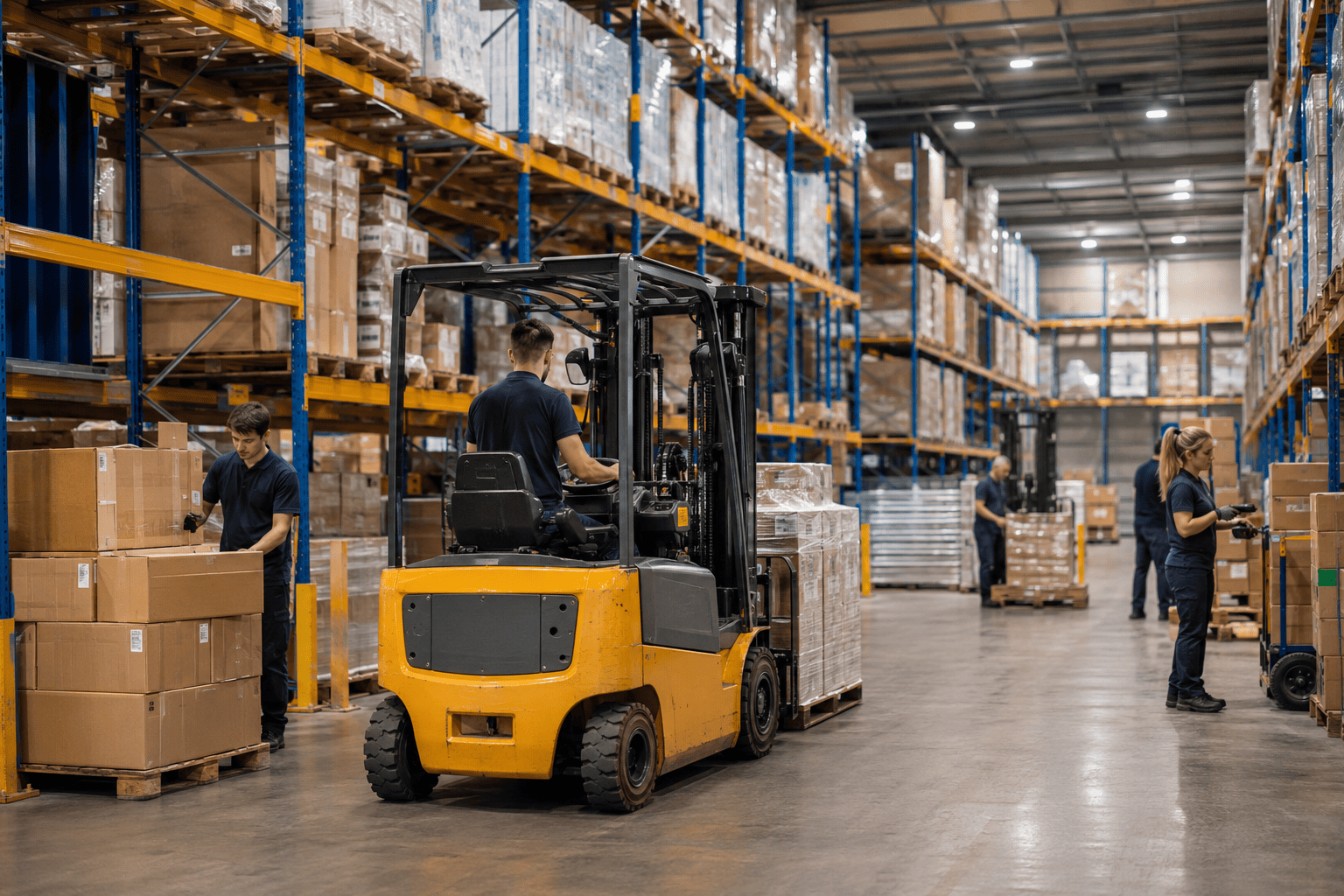
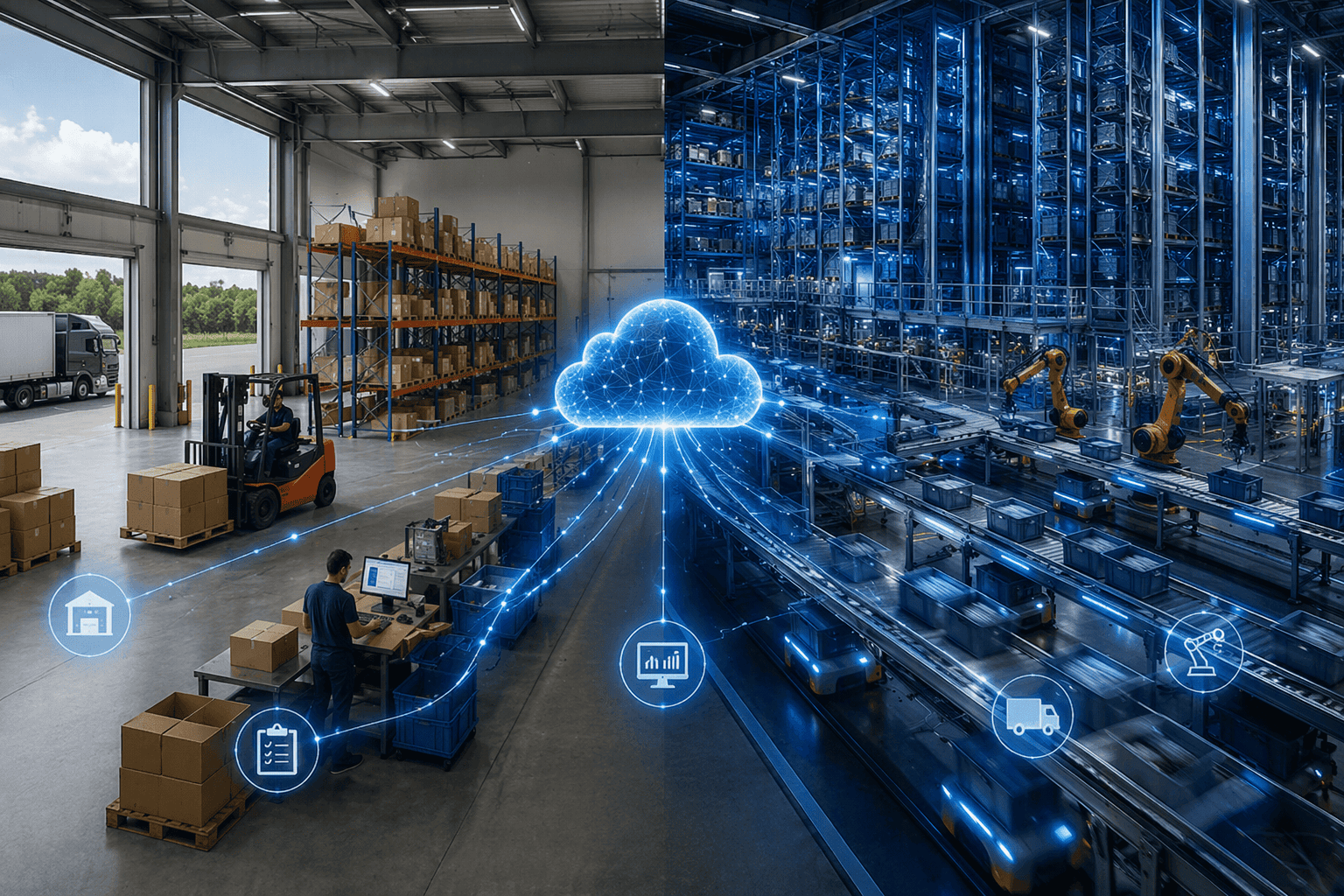
SAP Logistics Management (SAP LGM) is much more than a traditional warehouse management solution. The cloud-based platform combines Warehouse Management, Transportation, Execution and Collaboration on a shared technological foundation.
This page provides an overview of typical processes, functional areas and practical use cases within SAP LGM.
SAP Logistics Management combines Warehouse Management, Transportation, Collaboration, Execution and Analytics on a single cloud platform.
The following sections provide an overview of the core process areas and typical use cases within SAP LGM.
Warehouse Management is a core functional area within SAP Logistics Management. The solution supports standardized warehouse processes from goods receipt and inventory movements to picking, packing and shipping.
Goods receipt, inspections and automatic creation of warehouse tasks.
Planning, picking, staging and outbound shipping processes.
Packing operations, handling units and integration into downstream shipping processes.
Please note: SAP Logistics Management is continuously enhanced by SAP. For the latest capabilities, roadmap updates and additional product information, please refer to the official SAP product pages.
SAP Logistics Management already supports a wide range of standardized end-to-end processes across inbound logistics, internal warehouse operations and outbound logistics.
SAP Logistics Management continues to evolve. The processes shown above represent key end-to-end scenarios currently supported within the platform. Additional capabilities and new process components are continuously delivered through the SAP roadmap.
In addition to inbound, outbound and packing processes, SAP Logistics Management provides capabilities for transportation, network logistics, user experience and operational execution.
Please note: SAP Logistics Management is continuously enhanced by SAP. For the latest capabilities, roadmap updates and future developments, please refer to the official SAP product pages.
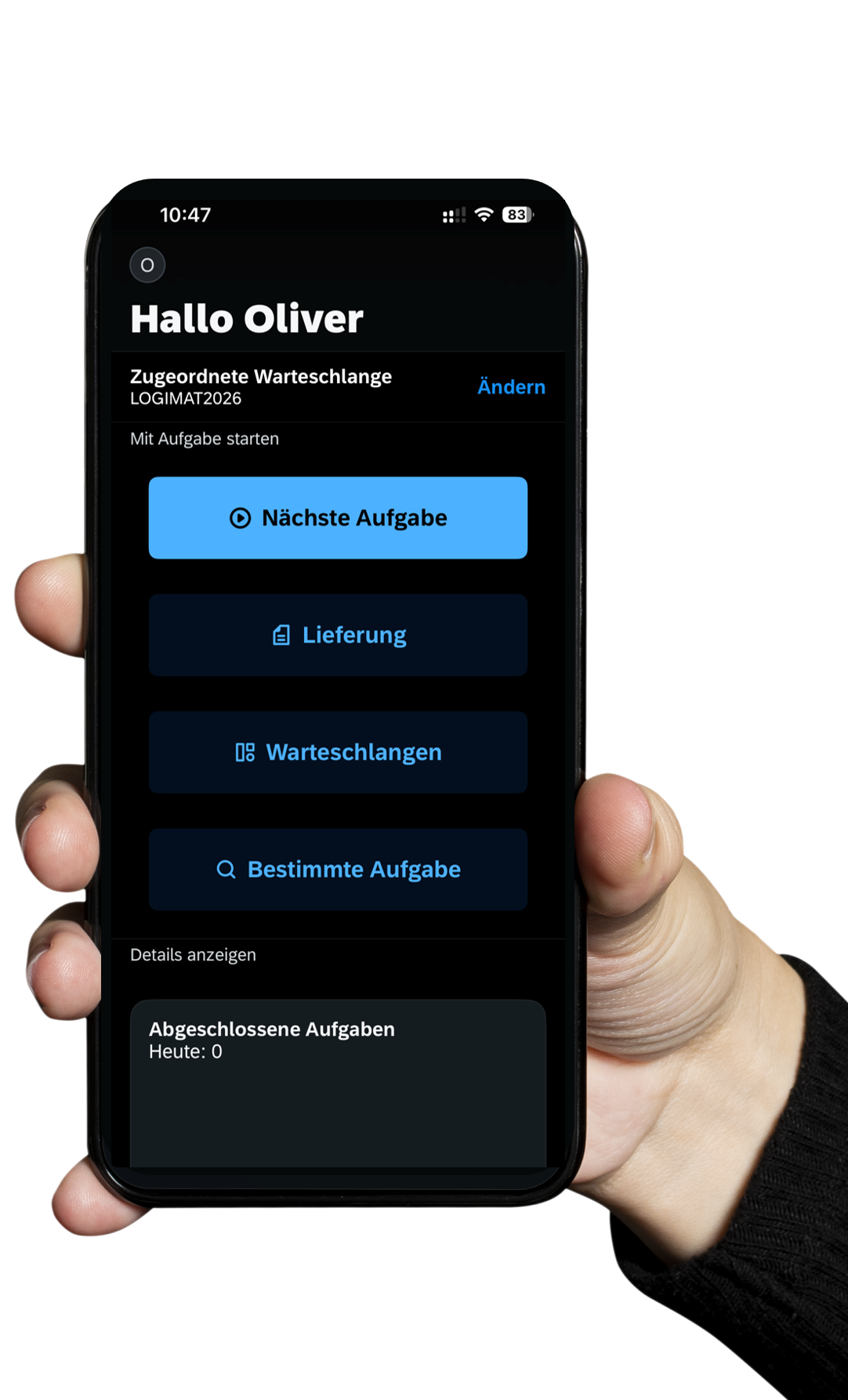
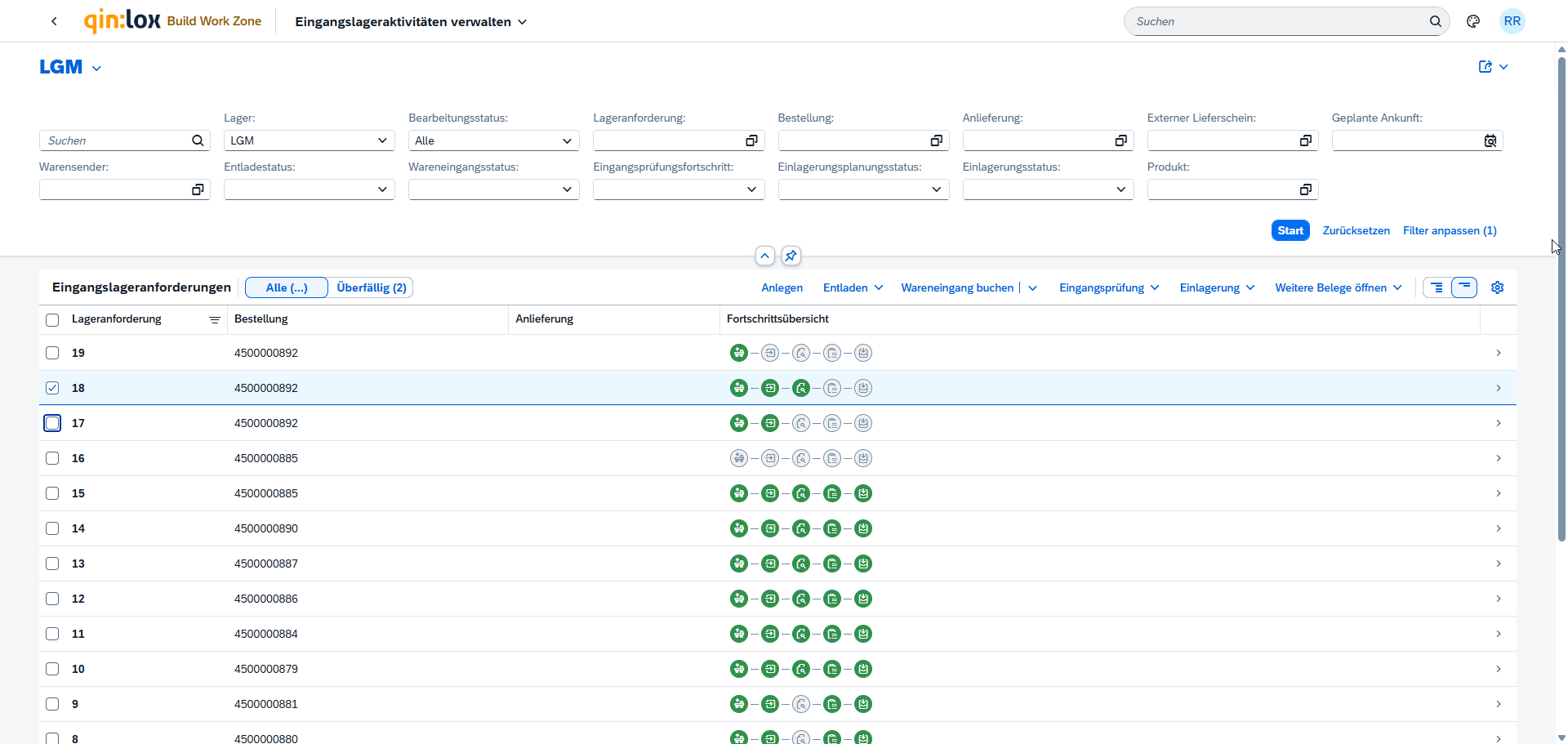
SAP Logistics Management is built on modern cloud-native user experiences instead of traditional SAP GUI interfaces. Role-based applications, personalized cockpits and intuitive process apps help users perform daily tasks more efficiently.
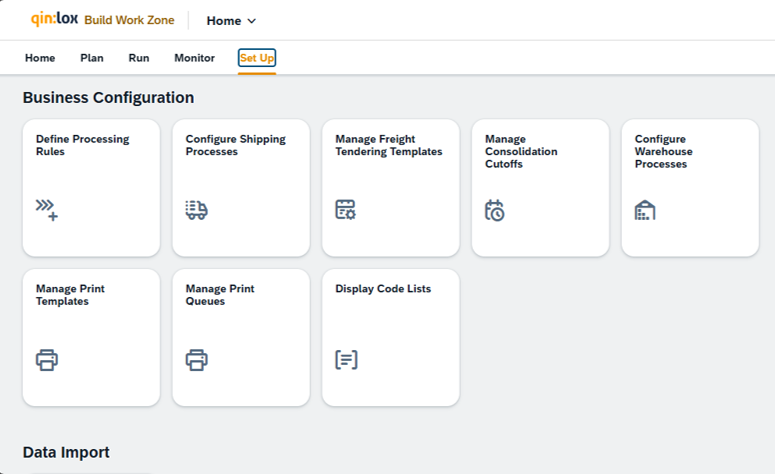
SAP Build Work Zone landing pages can serve as personalized user cockpits and provide a central entry point for different business roles. Tasks, applications and relevant information can be tailored to specific user needs.
Guided applications support users in executing operational processes – from warehouse tasks and picking activities to packing and shipping operations.
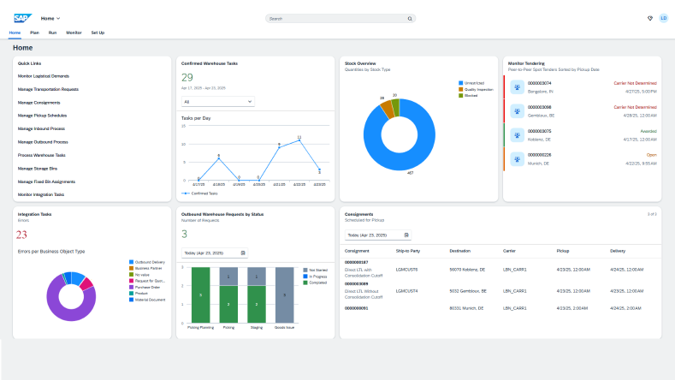
Interactive dashboards provide visibility into inventory, tasks and process status. Real-time KPIs support the effective management of day-to-day logistics operations.
Explore expert insights on SAP Logistics Management, warehouse strategy, target architectures and key decision criteria for SAP WM successor initiatives and SAP EWM evaluations.
Our articles help organizations assess SAP LGM within the context of their warehouse and logistics transformation strategy.
The following answers provide an overview of common questions regarding the functions, processes and technical foundations of SAP Logistics Management. The focus is on the capabilities currently available within the SAP LGM platform.
SAP LGM supports standardized warehouse and logistics processes from inbound logistics to outbound shipping. This includes goods receipt, putaway, inventory management, warehouse tasks, picking, packing, staging and outbound processes.
Yes. SAP Logistics Management is built on modern cloud-native user experiences and supports mobile applications for operational warehouse and logistics processes. Users can work with role-based applications and mobile devices to execute daily tasks.
Yes. In addition to warehouse processes, SAP LGM includes Transportation Logistics capabilities such as transport planning, carrier selection, tendering and the tracking of logistics movements.
SAP Business Network for Logistics extends SAP LGM with collaboration capabilities for freight forwarders, carriers and logistics partners. This enables information and process data to be exchanged across organizational boundaries.
SAP LGM follows a fit-to-standard approach. Individual enhancements are primarily implemented through the SAP Business Technology Platform (SAP BTP). Traditional core modifications, as commonly used in older on-premise environments, are generally not intended.
Yes. SAP continuously expands the capabilities of SAP Logistics Management. New features and enhancements are regularly delivered through the SAP roadmap as part of the cloud product strategy.
You now have an overview of the functions and processes available in SAP Logistics Management.
For further information on use cases, target architectures, SAP LGM compared to SAP EWM, and SAP WM successor strategies, please visit our SAP LGM service page and explore our SAP LGM insights.
.jpg)
Would you like to determine whether SAP Logistics Management is the right fit for your existing warehouse and logistics landscape?
We support organizations in evaluating SAP LGM within the context of their processes, warehouse locations and long-term target architecture.