
Executive whitepaper by Marc Hofheinz, who has worked in SAP logistics projects for almost 30 years – including a concrete reality-check scenario from a highly automated warehouse.
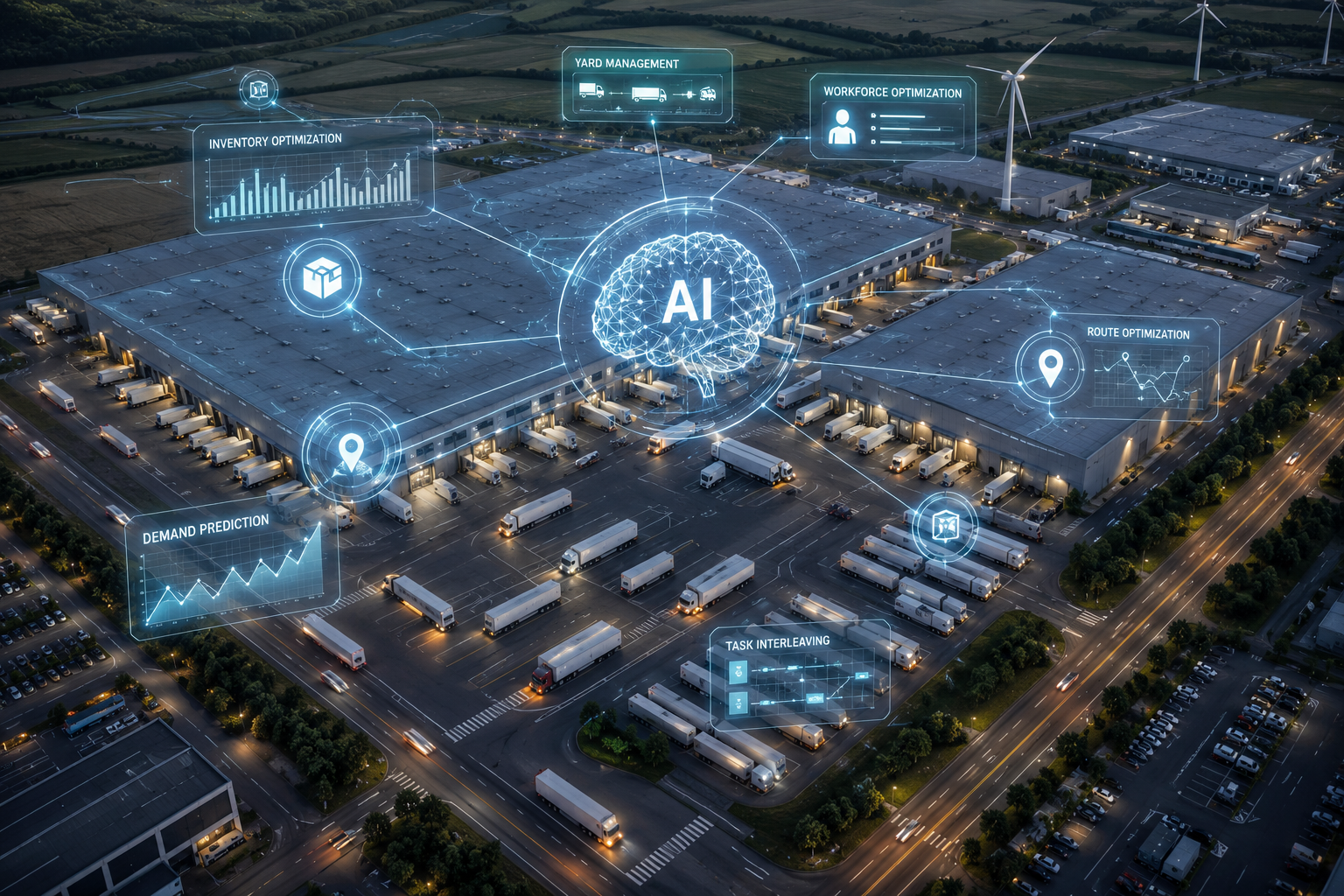
Artificial intelligence is one of the most discussed topics in the SAP world. But which use cases in SAP EWM and SAP MFS actually deliver economic value?
This executive whitepaper shows where AI can be used sensibly today, which use cases are already emerging, and why companies should lay the foundations for their future AI strategy now.
Download the whitepaper for free
.png)
Many discussions about AI focus on robotics, platforms and AI assistants. The operational core of SAP EWM and SAP MFS is often left out.
This whitepaper looks at the topic from the perspective of SAP-based warehouse and intralogistics projects and answers the decisive question:
Which AI use cases are actually economically viable in the next two to three years?
A distribution center, Thursday afternoon: A shuttle system goes down, an employee calls in sick at the same time – and twelve time-critical rush orders have a cut-off at 8 p.m.
Using exactly this example, the whitepaper shows where classic SAP EWM rule sets reach their limits and where AI can already make a real difference today.

Marc Hofheinz
Managing Partner | Qinlox Consulting GmbH
While many discussions focus on robotics, platforms and assistants, productive use cases in SAP EWM and SAP MFS often go unconsidered.
With Clean Core, the SAP standard is increasingly becoming the common foundation. In the future, differentiation will come from Joule, AI agents and custom extensions on SAP BTP.
Companies should use the current phase to build know-how and gain experience before new industry standards take hold.
Download the executive whitepaper for free and get concrete insights into productive AI use cases, architecture approaches and strategic recommendations for modern SAP logistics landscapes.